
Pruning
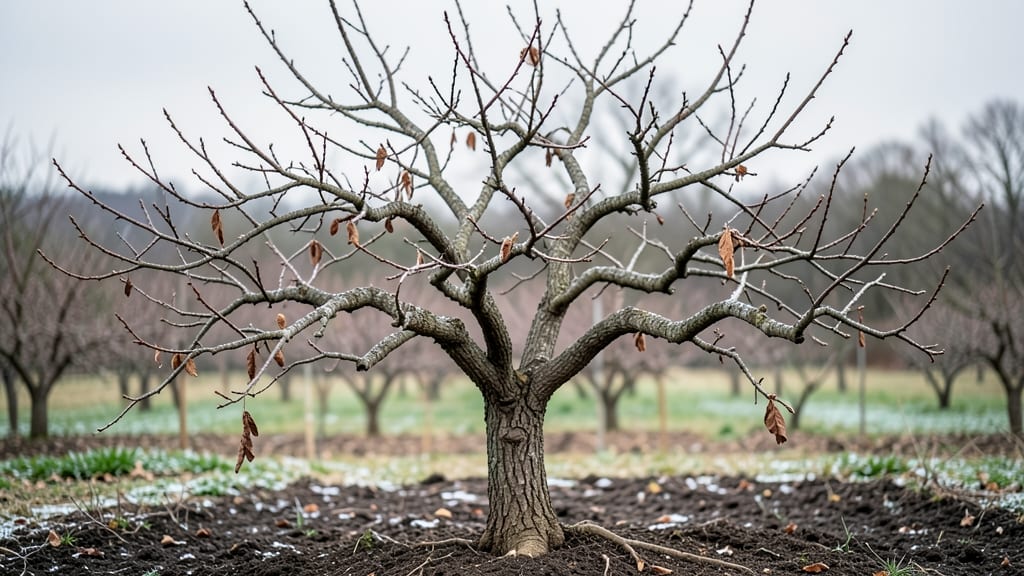
Winter is when almond trees reveal their true potential—or their hidden weaknesses. ✂️ The right cuts now mean stronger blooms and heavier harvests next spring, while wrong moves can invite disease or stunted growth.
I’ve pruned my own trees for five winters, and the difference between a thriving orchard and a struggling one comes down to timing, technique, and understanding what dormancy really demands.
The best time to prune is late winter, after the worst frost but before buds swell—typically February or March in most temperate zones. Cold-hardy varieties like ‘Nonpareil’ or ‘Butte’ handle pruning better in dormancy, but avoid cutting too early when hidden buds might still be vulnerable.
You’ll focus on removing dead wood, crossing branches, and thinning the canopy to let sunlight reach the center, where fruit develops.
What you’ll end up with is a tree that looks like a well-structured umbrella: open enough for air circulation, strong enough to support next year’s crop, and primed to bounce back from winter stress.
The first flush of spring growth will be vibrant green and full of energy, not the weak, leggy shoots that come from over-pruning or poor timing.
Works for backyard orchards, container-grown trees, or even young saplings—just adjust the scale. Here’s exactly how to do it without guesswork, plus the regional tweaks that make all the difference in your climate.
📚 In This Guide
- What you need
- Instructions
- Tips and common mistakes
- Wrapping up and next steps
What you need
- ● Pruning shears – Sharp, bypass-style shears (for cuts up to ½ inch in diameter). Quantity: 1 pair
- ● Loppers – For thicker branches (½ to 1½ inches in diameter). Quantity: 1 pair
- ● Pruning saw – For branches larger than 1½ inches. Quantity: 1
- ● Disinfectant (70% rubbing alcohol or bleach solution) – To sterilize tools between cuts and prevent disease. Quantity: Small bottle
- ● Heavy-duty gloves – Protect your hands from thorns and rough bark. Quantity: 1 pair
- ○ Pruning sealant (optional but recommended) – Helps prevent disease entry on larger cuts. Quantity: Small tube
- ● Ladder or step stool – For reaching higher branches safely. Height: Adjustable to tree height
- ● Trash bags or bucket – For collecting pruned branches. Quantity: 1-2
- ● Notebook & pencil – To sketch your pruning plan or mark cuts. Quantity: 1 each
- ● Extension pole pruners – For high branches without a ladder. Quantity: 1
- ● Tree wound paint – Alternative to sealant for larger cuts. Quantity: Small bottle
- ● Safety goggles – Protects eyes from debris. Quantity: 1 pair
- ● Marking spray (paint or chalk) – To highlight cuts before pruning. Quantity: Small can
- ● Pruning reference guide or app – For visualizing cuts and techniques. Examples: "PruneRight" app
How to prune your almond tree for winter resilience
Winter’s the perfect time to shape your almond tree—here’s how to do it right for stronger growth and better harvests.
✂️ Step 1: Assess the Tree’s Structure and Health
Start by examining the tree’s framework. Look for dead, diseased, or crossing branches—these are your top priorities. Almond trees produce more efficiently when light and air circulate freely, so remove any branches rubbing against others or growing inward. I always scan from the ground up, starting with the lowest limbs, because what’s hidden at the base often holds the biggest problems.
Check for suckers—those aggressive shoots sprouting from the base or along the trunk. These divert energy from fruit production. Mark them with a small flag or note so you don’t accidentally prune the wrong branches later. Healthy branches should have smooth bark and green leaves (if any remain). If you spot blackened or mushy wood, that’s a clear sign of disease or winter damage.
✂️ Step 2: Remove Dead, Diseased, and Weak Wood
Use clean, sharp pruners to make your first cuts. Start with dead wood—branches with no leaves, dry bark, or hollow centers. Cut these back to the main trunk or a healthy lateral branch. Almond trees are particularly prone to bacterial canker, so sterilize your tools with rubbing alcohol between cuts to prevent spreading pathogens. I like to wipe down blades after every 3-4 cuts, especially if I’ve worked on diseased wood.
Next, target weak or thin branches—these are the ones that look spindly or haven’t produced well in past seasons. Thin branches compete with stronger ones for nutrients, weakening the tree’s overall vitality. Cut these back to a strong lateral branch or the trunk, making sure your cut is just outside the branch collar (the swollen area where the branch meets the trunk). Never leave a stub—this invites decay.
✂️ Step 3: Thin Out the Canopy for Better Airflow
Almond trees need open space to thrive, especially in winter when fungal diseases lurk. Aim to reduce the canopy by about 20-30% to improve light penetration and airflow. Focus on removing branches that cross or overlap, as these create shaded, damp pockets where mold thrives. Start from the inside of the tree and work your way out—this opens up the center first, which is often the most congested.
Watch for water sprouts—fast-growing, vertical shoots that pop up along the trunk or branches. These are energy vampires, stealing resources from fruit production. Cut them back to a lateral branch or the trunk. If a branch is too small to bear fruit (thinner than a pencil), remove it entirely. You’ll know you’ve done enough when you can see light filtering through the center of the tree.
✂️ Step 4: Shape the Tree for Future Growth
Now it’s time to refine the tree’s shape. Almond trees benefit from an open-center or modified central leader structure, which allows sunlight to reach the lower branches. Step back and visualize the tree’s skeleton—you want a strong, balanced framework with well-spaced branches. Prune to encourage outward growth rather than inward crowding. Cut back overly vigorous branches to a bud or lateral branch facing the direction you want growth to go.
Pay special attention to the top of the tree. If it’s too dense, it can block light from reaching the lower branches, which are crucial for fruit production. Thin out the upper canopy by removing 1-2 branches that are growing too close together. Avoid cutting back the leader (the central, upright branch) unless it’s dead or diseased—this can destabilize the tree. Instead, focus on balancing the weight of the canopy to prevent storm damage.
✂️ Step 5: Clean Up and Protect the Tree
Once you’ve made all your cuts, remove all pruned branches from the area around the tree. Leaving them on the ground creates a moist, shaded environment where fungal spores thrive. Bag and dispose of diseased wood immediately—do not compost it. For healthy branches, you can chop them into smaller pieces for mulch or firewood. I always rake up any fallen leaves or debris beneath the tree to reduce overwintering pests.
Finally, apply a thin layer of mulch (about 2-3 inches deep) around the base of the tree, keeping it 6 inches away from the trunk to prevent rot. This helps insulate the roots and retain moisture. If your region experiences freezing temperatures below 15°F, consider wrapping the trunk with tree guard or burlap to protect it from sunscald and cold damage. Water the tree deeply before the first hard freeze to help it establish roots for spring.
Tips & tricks for pruning your almond tree in winter
Winter pruning transforms your almond tree into a powerhouse for spring—here's how to do it right without common pitfalls.
Tool Preparation is Non-Negotiable: Sterilize your pruners with rubbing alcohol between cuts, especially when transitioning from diseased branches to healthy ones in Step 2. I've seen bacterial canker spread like wildfire when tools weren't properly cleaned—it's worth taking 30 seconds between each 3-4 cuts. Also, make sure your blades are sharp enough to cut cleanly without tearing bark, which creates entry points for infections.
Branch Collar Awareness: When pruning weak branches in Step 2, focus on cutting just outside the branch collar—the swollen area where the branch meets the trunk. This ensures proper healing and prevents unsightly stubs that invite decay. I've made the mistake of leaving stubs, and within a year those spots turned into perfect entry points for fungal infections. Take your time here—this is where professional results separate from amateur cuts.
Canopy Visualization Technique: Before making any cuts in Step 3, step back and visualize how light will flow through the tree. The goal is to reduce the canopy by about 20-30% while maintaining an open-center structure. I like to imagine sunlight streaming through the center like rays—this helps me gauge when I've removed enough branches. Use a small mirror or ask a friend to help you see what you might miss from ground level.
Seasonal Protection Against Cold: For regions experiencing temperatures below 15°F, protect your tree's trunk by wrapping it with tree guard or burlap after pruning. This prevents sunscald damage that can occur when winter sun hits exposed bark. I've seen trees develop sunburned patches that took years to recover—better to be safe than sorry. Also, water deeply before the first hard freeze to help roots establish for spring growth.
Pro Tips for Almond Tree Winter
- Winter pruning transforms your almond tree into a powerhouse for spring—here's how to do it right without common pitfalls.
- Tool Preparation is Non-Negotiable: Sterilize your pruners with rubbing alcohol between cuts, especially when transitioning from diseased branches to healthy ones in Step 2.
- Branch Collar Awareness: When pruning weak branches in Step 2, focus on cutting just outside the branch collar—the swollen area where the branch meets the trunk.
Frequently asked questions
Got questions about winter pruning your almond tree? You’re not alone! Here are answers to the most common concerns—so you can prune with confidence and keep your tree thriving.
When is the exact best time to prune an almond tree in winter?
The ideal window is late winter (January–February in most U.S. zones), after the coldest snap but before buds swell (typically 2–3 weeks before spring growth). This timing balances dormancy (easier cuts) with avoiding frost damage. Pro tip: Check your local frost dates—prune too early, and you risk exposing tender wood.
Can I prune an almond tree if it’s still covered in snow?
Nope! Wait until the ground thaws and snow melts—wet conditions make the soil unstable, and frozen branches can snap unexpectedly. Aim for dry, above-freezing days (40°F+). If you’re in heavy snow zones, brush off branches gently first to avoid damage. Warning: Pruning in icy conditions stresses the tree and invites disease.
How do I know if I’ve pruned too much?
Almond trees are resilient, but never remove more than 25% of the canopy in one season. Signs of over-pruning: bare branches, excessive water sprouts, or no new growth by early spring. If you’re unsure, err on the side of caution—light pruning now prevents stress later. Quick fix: Thin out dense areas instead of hacking back wildly.
What if my almond tree has no leaves—is it dead or just dormant?
Almond trees are evergreen in mild climates but fully dormant in winter (no leaves = normal!). Check for green twigs under bark or buds—if they’re plump and brown, the tree’s alive. If branches are completely gray and brittle, test a few with a knife: fresh wood should be light-colored. Still unsure? Wait until spring to confirm.
Can I prune an almond tree in summer instead of winter?
Summer pruning is risky but possible in extreme cases (e.g., storm damage). Avoid heavy cuts—focus on removing only diseased or broken branches to minimize stress. Why winter? Dormant trees bleed less sap, heal faster, and let you see the tree’s structure clearly. Exception: Light summer thinning (10% max) can improve airflow—but prioritize winter for major work.
Do I need special tools for winter pruning?
Basic tools suffice: bypass pruners (for small branches), loppers (up to 2” thick), and a pruning saw for larger cuts. Disinfect blades between cuts with rubbing alcohol to prevent bacterial spread. Bonus: Wear gloves—almond tree bark can irritate skin! For older trees, consider a pole saw to reach high branches safely.
Wrapping up and next steps
Winter is the perfect time to give your almond tree the care it needs to thrive! By following strategic pruning techniques—like removing dead wood, thinning branches, and shaping for airflow—you’re setting the stage for a bountiful harvest and healthier growth.
Remember, patience and precision pay off, so take your time and enjoy the process. 🌳✂️
Ready to transform your almond tree into a year-round powerhouse? Start by gathering your tools, reviewing the steps, and scheduling your first pruning session before the next dormant season. Your future almonds will thank you!