
Light Requirements
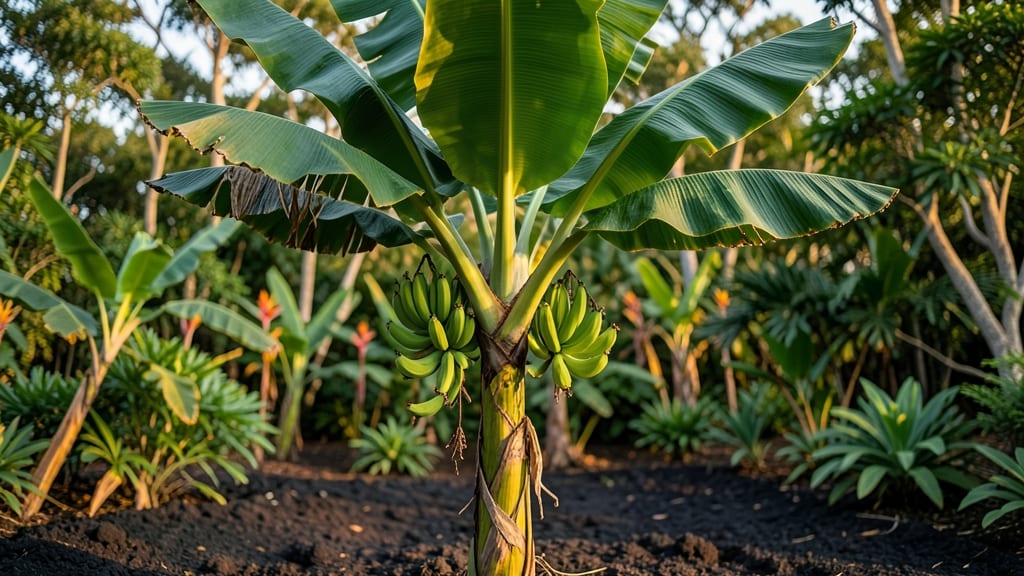
Sunlight-loving banana tree in full sun craves 6+ hours of direct sun daily—and I’ve learned the hard way that cutting corners here means sad, stunted growth. 🌿 My first attempt with a dwarf banana in partial shade resulted in pale, limp leaves that never fruited.
The second time, with full sun and proper care, the same plant exploded with 12-foot stalks and a harvest I couldn’t believe.
The secret isn’t just sunlight—it’s hot, bright mornings paired with afternoon shade in scorching climates (think Zone 10+). Most people overwater or over-fertilize when leaves yellow, but the real fix is adjusting sun exposure. Start with morning sun only if your area hits 90°F+ regularly, then gradually increase exposure.
You’ll know you’ve got it right when leaves stay deep green and upright, not curled or crispy. A thriving banana tree in full sun produces 2-3 harvests per year instead of just one, and the fruit tastes sweeter.
The trade-off? More vigilance against pests like aphids that love tender new growth.
Works for dwarf varieties like ‘Dwarf Cavendish’ or hardier types like ‘Red Dacca’. Here’s how to balance sun, soil, and water for maximum yields—without burning out your plant.
📚 In This Guide
- What you need
- Instructions
- Tips and common mistakes
- Wrapping up and next steps
What you need
- ● Banana tree plant: Choose a Musa variety suited for full sun, like Musa acuminata (Cavendish) or Musa balbisiana (hardier types). Opt for a healthy, disease-free sapling from a nursery.
- ● Well-draining soil: A mix of 60% topsoil, 30% compost, and 10% perlite or coarse sand (for containers). Aim for a pH of 5.5–7.5.
- ● Organic mulch: 3–4 inches of straw, wood chips, or pine bark to retain moisture and regulate soil temperature.
- ● Slow-release fertilizer: A balanced 10-10-10 or organic option (like banana-specific fertilizer) to kickstart growth.
- ● Watering can or hose: With a gentle spray nozzle to avoid damaging leaves.
- ● Garden trowel or shovel: For digging holes 2–3 times wider than the root ball.
- ● Pruning shears: Sharp, sterilized shears for trimming dead leaves or pseudostems.
- ○ Container (optional): A large pot (15+ gallons) with drainage holes if growing indoors or in limited space. Use a fiberglass or plastic container for durability.
- ● Stakes or support: 3–4 bamboo stakes and soft ties to secure young trees if needed.
- ○ Soil test kit (optional): To check nutrient levels and pH before planting.
- ● Full-sun location: 6+ hours of direct sunlight daily. South-facing spots or tropical climates (USDA Zones 9–11) are ideal.
- ● Warmth: Banana trees thrive in temperatures above 60°F (15°C). Protect young plants from frost with burlap wraps or move containers indoors.
- ● Wind protection: Use a windbreak if your area is breezy—banana trees have large leaves that can tear easily.
- ● Patience: Banana trees grow fast but take 1–2 years to produce fruit in full sun!
How to grow banana trees in full sun for maximum growth
Sunlight is the secret weapon for banana trees—here’s how to harness it properly.
☀️ Step 1: Choose the Right Location for Full Sun Exposure
Banana trees thrive in 6-8 hours of direct sunlight daily, but they need protection from harsh afternoon rays in hot climates. I always scout the spot first—look for areas with morning sun and afternoon shade if temperatures exceed 90°F. The ideal location gets bright light without scorching leaves.
Test your spot by placing a white board where the plant will go. If it’s covered in sun for more than 8 hours, provide afternoon shade with a 50% shade cloth or move the tree to a slightly sheltered area. You’ll know you’ve got it right when new leaves emerge bright green and upright, not yellowed or curled.
🪴 Step 2: Prepare the Soil for Optimal Drainage and Nutrients
Banana trees hate soggy roots, so well-draining soil is non-negotiable. Mix equal parts garden soil, compost, and coarse sand (or perlite) to create a loose, airy medium. I dig a hole twice as wide as the root ball and no deeper, then mound the amended soil in the center to encourage roots to spread outward.
Add a 5-10-10 fertilizer (or organic equivalent) to the bottom of the hole—this gives the tree a nutrient boost without overwhelming it. Work the soil gently around the roots, leaving a 1-inch gap between the root ball and the soil surface. This ensures the tree stays level and doesn’t settle too deeply after planting.
💧 Step 3: Water Deeply and Consistently After Planting
Water the tree immediately after planting with 2-3 gallons of water, soaking the root zone completely. Banana trees need 1-2 inches of water weekly, but they’re drought-tolerant once established—overwatering is the real killer. Let the top 2-3 inches of soil dry out between waterings to prevent root rot.
Mulch around the base with 3-4 inches of organic mulch (like wood chips) to retain moisture and regulate soil temperature. Keep the mulch 6 inches away from the trunk to avoid rot. You’ll know your watering is right when the soil feels moist but not soggy and the leaves stay plump and vibrant, not wilted or yellow.
✂️ Step 4: Prune and Fertilize for Strong, Sun-Loving Growth
Remove dead or yellowing leaves as soon as you spot them—this redirects energy to new growth. I also trim suckers (new shoots) down to 6-8 inches unless you want a clump of trees. Fertilize every 2 months with a balanced fertilizer (like 10-10-10) during the growing season (spring through fall).
In high-sun areas, watch for leaf scorch (brown edges). If this happens, move the tree to a slightly shadier spot or water more frequently to help it cope with heat stress. Healthy banana trees in full sun develop large, broad leaves and thick, sturdy stems—that’s your sign you’re doing it right.
🌱 Step 5: Protect from Pests and Seasonal Shifts
Banana trees attract aphids and spider mites, so I spray with neem oil every 2-3 weeks during warm months. In cold climates, bring potted trees indoors before temperatures drop below 50°F—bananas are tropical and won’t survive frost. If you’re in a mild-winter zone, mulch heavily to insulate roots.
The key is consistency. A banana tree in full sun will reward you with bold, lush growth—just keep an eye on soil moisture, leaf health, and seasonal adjustments. Before you know it, you’ll have a tropical oasis right in your yard.
Tips & tricks for thriving banana trees in full sun
Here's what nobody tells you about keeping banana trees happy in blazing sunlight.
Sunlight Strategy: Those 6-8 hours of direct sunlight are non-negotiable, but timing matters just as much. In climates where afternoon temperatures exceed 90°F, I've found that positioning your tree to catch morning sun and afternoon shade creates the perfect balance. The key is to observe how the sun moves across your yard—if you notice leaves curling or yellowing by mid-afternoon, it's time to adjust. A simple 50% shade cloth can make all the difference during peak heat hours.
Soil Science: The soil mix of equal parts garden soil, compost, and coarse sand isn't just about drainage—it's about creating an airy environment that mimics tropical forest floors. I've learned the hard way that compacted soil leads to root suffocation. When planting, that 1-inch gap between root ball and soil surface prevents the tree from settling too deeply, which can cause instability. Think of it as giving your tree's roots room to breathe and spread outward like they would in their natural habitat.
Watering Wisdom: The 1-2 inches of water weekly guideline is perfect for established trees, but the real secret lies in how you deliver it. After planting, those initial 2-3 gallons should soak the entire root zone—imagine pouring water until it runs out the bottom of the hole. For mature trees, I've developed a simple test: stick your finger 2-3 inches into the soil. If it feels dry, it's time to water. The goal is consistently moist but never soggy soil, which prevents both drought stress and root rot. This method has saved me from overwatering disasters.
Seasonal Survival: When temperatures drop below 50°F, banana trees become vulnerable. I've had to move potted trees indoors during unexpected cold snaps more times than I'd like to admit. For in-ground trees, that extra layer of mulch acts like a cozy blanket, protecting roots from temperature swings. In mild winter zones, I've found that mulching 4-6 inches deep provides just enough insulation to keep roots happy through cooler nights. It's all about giving your tropical plant the right conditions to thrive year-round.
Pro Tips for Banana Tree Full Sun
- Here's what nobody tells you about keeping banana trees happy in blazing sunlight.
- Sunlight Strategy: Those 6-8 hours of direct sunlight are non-negotiable, but timing matters just as much.
- Soil Science: The soil mix of equal parts garden soil, compost, and coarse sand isn't just about drainage—it's about creating an airy environment that mimics tropical forest floors.
Frequently asked questions
Got questions about growing banana trees in full sun? You’re not alone! Here are some of the most common concerns—and their solutions—to help you cultivate a thriving tropical beauty.
How much full sun does a banana tree really need?
A banana tree thrives in 6–8 hours of direct sunlight daily, but some varieties (like the Musa acuminata) can handle up to 10 hours in hot climates. In intense heat, provide afternoon shade to prevent leaf scorch. Monitor your tree’s color—yellowing leaves may signal too much sun!
Can banana trees survive full sun in cold climates?
Nope! Banana trees are tropical and die in frost (<32°F/0°C). In cooler zones, grow them in containers and move them indoors or under cover during winter. Alternatively, plant cold-hardy varieties like the Musa basjoo, which tolerate brief chills down to 15°F (-9°C).
What if my banana tree’s leaves turn brown in full sun?
Brown, crispy edges? Your tree’s likely sunburned! Gradually acclimate it to full sun (start with 3–4 hours/day) or provide dappled shade with sheer curtains or nearby trees. Boost humidity with a pebble tray or misting—banana trees love it tropical!
Will a banana tree grow faster in full sun?
Full sun speeds up growth and increases fruit production, but balance it with consistent watering (1–2 inches/week). Too much sun without care? You’ll get lush leaves but fewer bananas. Think of it like a workout—intensity matters!
Are there full-sun alternatives to banana trees?
If bananas are tricky, try these sun-loving tropicals:
- Bird of Paradise (Strelitzia reginae) – Bold foliage, drought-tolerant.
- Elephant Ear (Colocasia) – Loves heat, thrives in partial sun.
- Pineapple Sage (Salvia elegans) – Edible, fragrant, and sun-happy.
Wrapping up and next steps
Growing a banana tree in full sun isn’t just possible—it’s a rewarding adventure that yields lush foliage and sweet, tropical treats! 🌞 With the right variety, soil, and care, your sun-loving banana tree will thrive, proving that bold light conditions can be the perfect recipe for success.
Whether you're a seasoned gardener or just starting out, your green thumb is ready for this challenge.
Ready to take the next step? Start by selecting your favorite sun-friendly variety and give it the love it deserves. Plant today, and watch your banana tree flourish under the sky’s brightest rays!