
Trees
Want a mulberry tree that grows quickly and produces abundant, delicious fruit? These 10 high-yield varieties are perfect for home gardeners, urban homesteaders, and commercial orchards—each offering unique benefits for flavor, hardiness, and productivity.
Illinois Everbearing Mulberry Tree
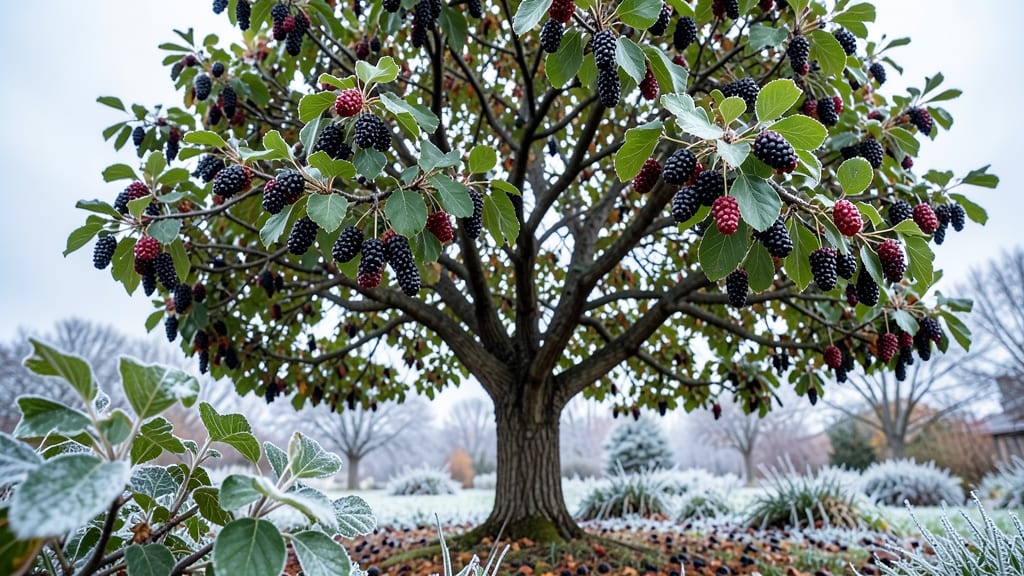
If you live in Zone 4 or colder and want a mulberry tree that thrives in your climate, the Illinois Everbearing Mulberry is your game-changer. Unlike traditional mulberries that struggle with frost, this variety delivers two fruit harvests per year—spring and fall—while resisting common diseases like powdery mildew.
This cold-hardy tree adapts effortlessly to urban environments, tolerating pollution and compacted soil better than most varieties. Plant it in full sun for maximum fruit production, and expect deep purple berries that ripen in clusters. Its disease-resistant nature means fewer pesticides and more time enjoying your harvest.
Perfect for northern gardeners or city dwellers with limited space, this tree combines productivity with resilience. 🌱
Albion Mulberry Tree
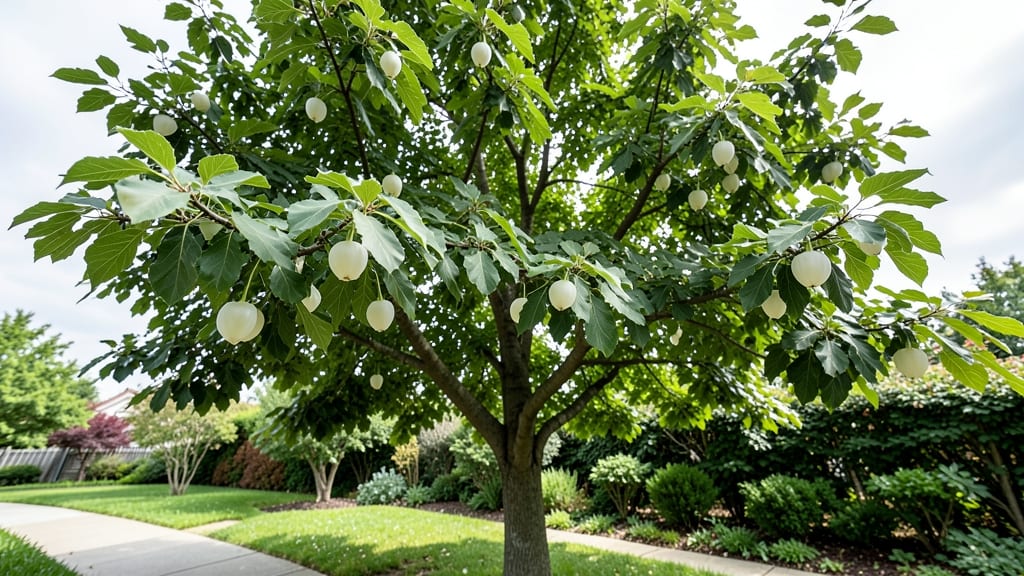
Tired of messy berries that stain sidewalks and attract pests? The Albion mulberry tree delivers sweet, white fruit that’s easy to pick and won’t create a mess—ideal for families with kids or pets. Unlike traditional dark mulberries, these berries ripen to a pale, almost translucent color and are less likely to stain surfaces.
This fast-growing variety thrives in containers or small yards, making it perfect for urban gardens or patios. Once established, it’s drought-tolerant, requiring minimal watering after the first year. Plant it in full sun to partial shade, and enjoy a harvest within just 3-5 years of planting. The tree’s compact size (typically 15-20 feet tall) also makes it a great choice for tight spaces.
Whether you’re looking for a low-maintenance fruit tree or a pet-friendly addition to your yard, the Albion mulberry offers a hassle-free way to enjoy fresh, sweet berries without the cleanup. 🌿
Black Diamond Mulberry Tree
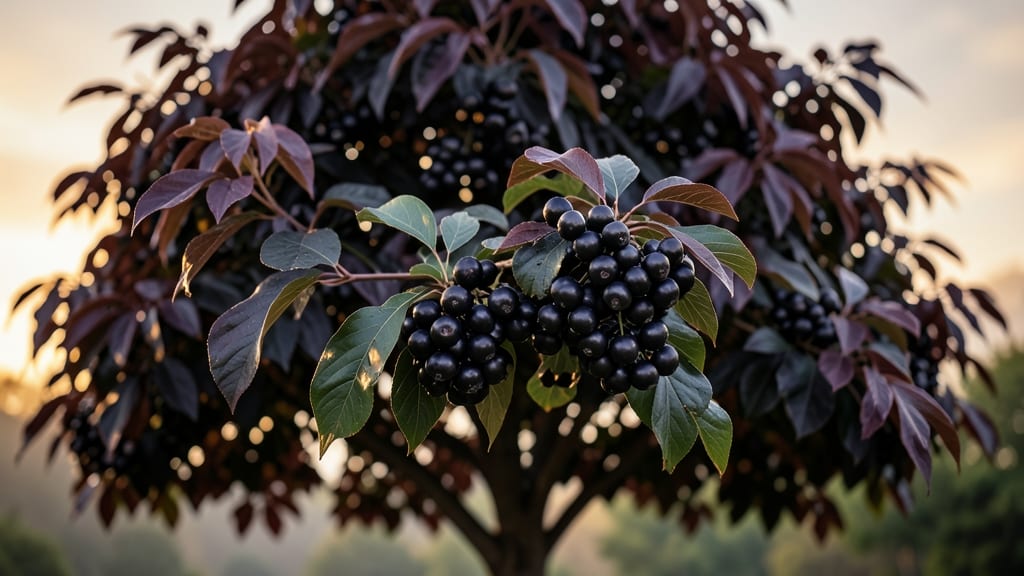
Craving mulberries with deep, velvety richness that make jams and wines unforgettable? The Black Diamond Mulberry Tree delivers the darkest, most flavorful berries in the mulberry world—think black grapes meets blueberries, but with a unique, earthy sweetness.
This compact powerhouse thrives in tight spaces (reaching just 15-20 feet tall) and produces self-pollinating fruit, so you’ll always get a harvest without needing a second tree. It’s also drought-tolerant once established, making it low-maintenance for busy gardeners. Plant it near patios or fences where its dense foliage provides shade while the berries dangle temptingly low.
Home winemakers and jam enthusiasts will love this variety’s intense flavor profile, while urban gardeners appreciate its space-saving growth. Perfect for small yards, containers, or even as a striking focal point. 🌟
Red Mulberry Tree
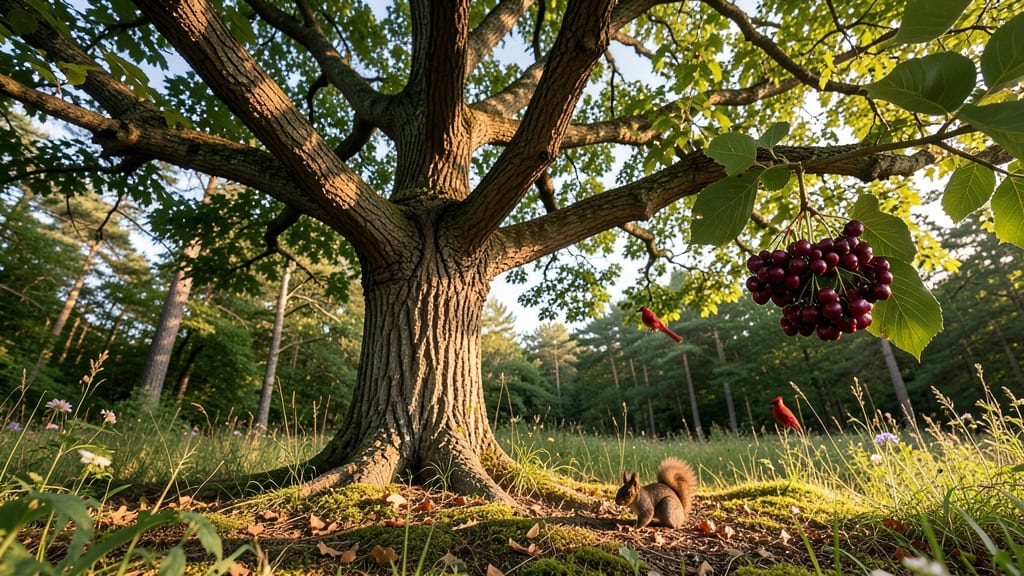
Looking for a mulberry tree that thrives naturally in North America while supporting local wildlife? The Red Mulberry Tree (Morus rubra) is your perfect match—it’s native, resilient, and packed with benefits for both gardeners and critters alike.
This hardy tree produces sweet, red-purple berries that birds adore, making it a magnet for wildlife while requiring minimal care. With superior disease resistance compared to other varieties, it flourishes in USDA Zones 4-9 and tolerates a range of soil types. Its fast growth (up to 3 feet per year) means you’ll enjoy shade and fruit sooner than you think.
Ideal for eco-conscious gardeners, the Red Mulberry Tree thrives in native landscapes and requires less maintenance than imported varieties. Plant it to create a food source for birds, butterflies, and other pollinators while adding beauty to your yard. 🌟
Kwanso Mulberry Tree
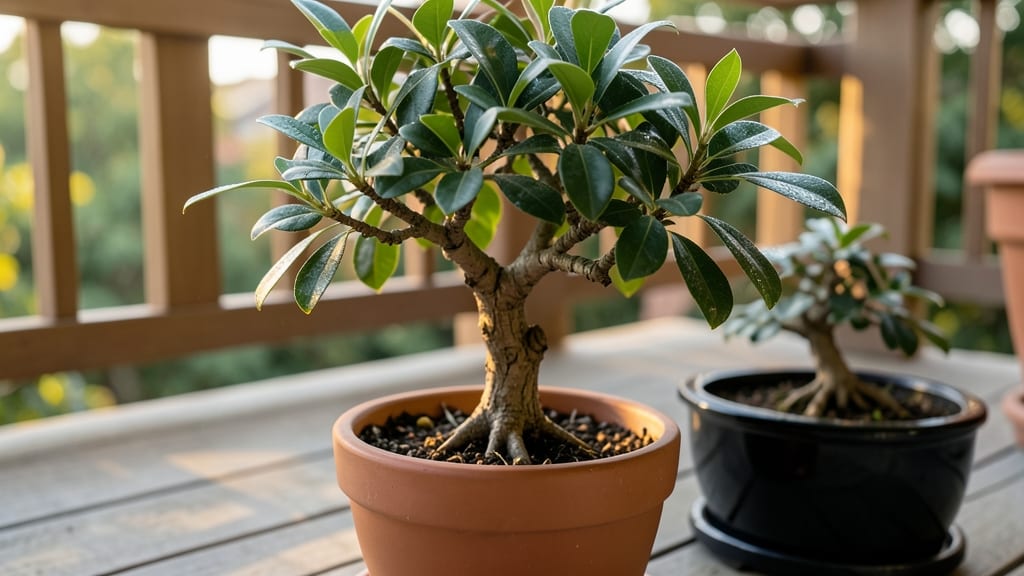
If you’ve ever dreamed of growing a mulberry tree but lack the space for a full-sized specimen, the Kwanso Mulberry Tree is your perfect match. This dwarf variety stays compact (typically under 10 feet tall) and thrives in containers, making it ideal for balconies, patios, or even bonsai enthusiasts.
Native to Japan, the Kwanso produces small, sweet berries that ripen year-round in warm climates (Zones 7-10), offering a continuous harvest. Unlike larger mulberries, its delicate branches and tiny fruit are perfect for ornamental displays or snacking. Prune lightly in late winter to maintain shape and encourage bushier growth.
Urban gardeners and small-space growers will love this low-maintenance tree—it’s drought-tolerant once established and adapts well to container life. 🌱
Ottawa Mulberry Tree
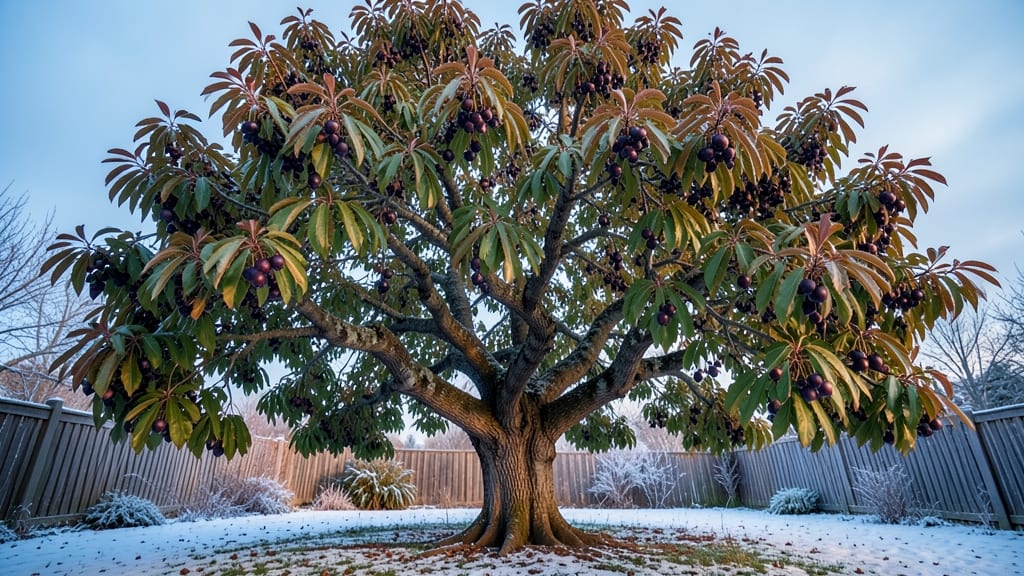
If you live in Zone 3 or colder and dream of a backyard berry bonanza, the Ottawa Mulberry Tree is your game-changer. This Canadian-bred hybrid thrives where most mulberries would freeze—producing up to 100 pounds of fruit per tree annually while handling -40°F winters with ease.
Unlike its southern cousins, this tree’s berries ripen later in the season, avoiding early frosts and giving you a reliable harvest even in short growing seasons. The fruit is sweet but firm, perfect for fresh eating, jams, or drying. For best results, plant in full sun with well-drained soil and space it 20-25 feet apart—its roots are vigorous but manageable with proper pruning.
This is the ultimate choice for northern homesteaders, permaculture projects, or anyone tired of struggling with finicky fruit trees. With minimal care, you’ll enjoy a decades-long harvest that outshines most commercial varieties. 🌟
Tower Mulberry Tree
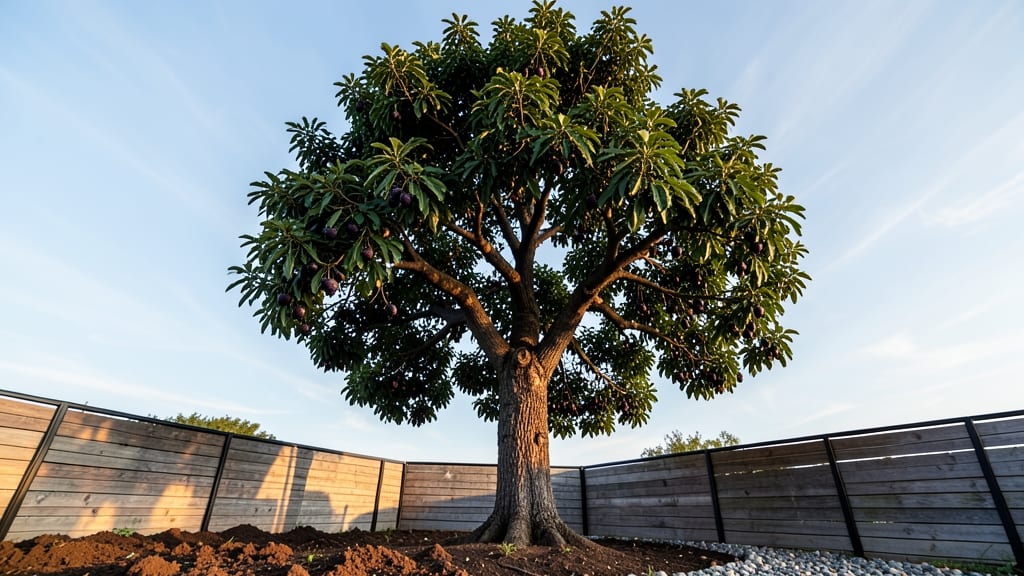
If you need instant shade and high-value fruit without waiting decades, the Tower Mulberry Tree is your fastest-growing solution. This variety shoots up to 30 feet in just five years, making it the ultimate choice for farmland, large properties, or even urban homesteads with space.
Beyond its rapid growth, the large, nutrient-rich leaves are a favorite among livestock owners, while the sweet, edible berries attract foragers and wildlife alike. Plant it in full sun with well-draining soil, and expect a dense canopy that provides shade within a single growing season. Prune annually to maintain shape and encourage fruit production.
This tree is ideal for farmers, homesteaders, and property owners who want both quick shade and sustainable food sources—all while supporting local ecosystems. 🌱
Golden Mulberry Tree
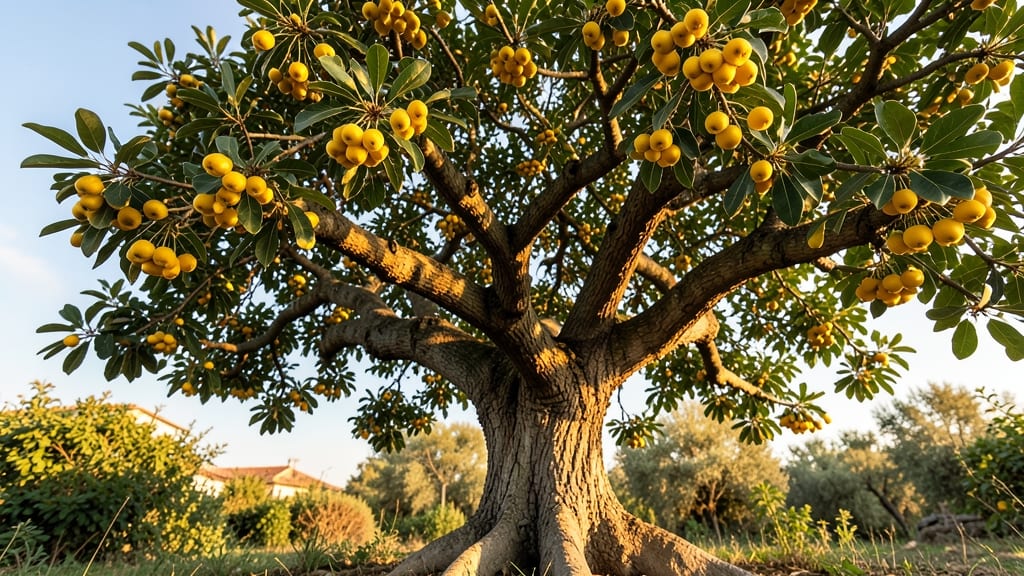
If you crave a mulberry tree that stands out in both flavor and appearance, the Golden Mulberry Tree is your answer. Unlike its dark or purple cousins, this rare variety produces bright yellow berries with a honey-like sweetness that’s unlike anything else in the mulberry family.
Native to Mediterranean regions, this slow-growing tree thrives in USDA Zones 7-10 and adapts beautifully to container growing, making it ideal for urban balconies or small yards. The fruit ripens later than traditional mulberries, offering a unique harvest window from late summer to fall. While it may take a few years to mature, its distinctive golden hue and flavor make it a showstopper for gardeners seeking something extraordinary.
Perfect for those who love novelty, this tree is especially prized by culinary enthusiasts and gardeners in warm climates who want a low-maintenance yet stunning addition to their landscape. 🌻
Aromatic Mulberry Tree
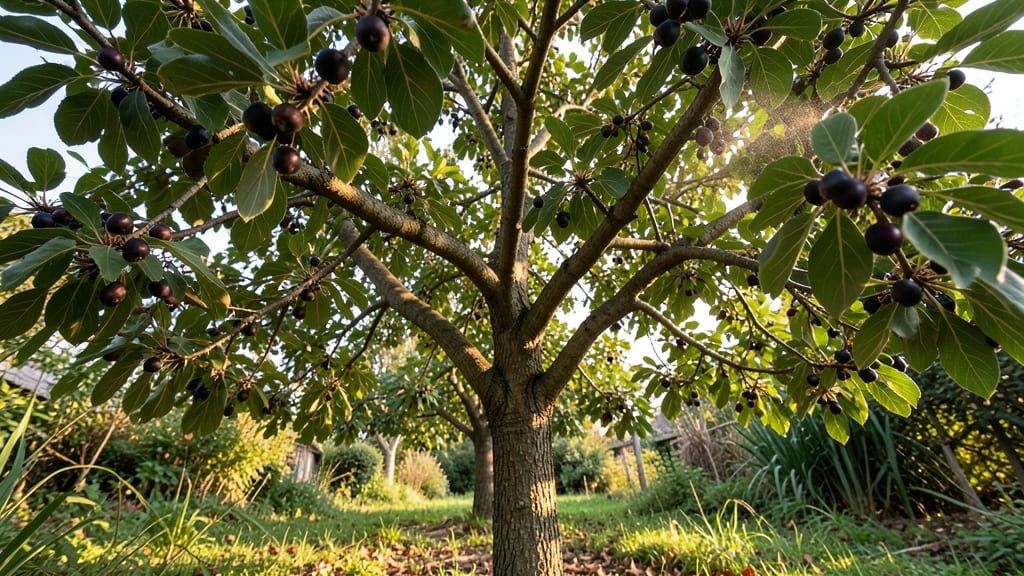
Transform your garden into a fragrant sanctuary with the aromatic mulberry tree, where every leaf and berry carries a subtle, spice-infused scent that elevates your outdoor space. Unlike traditional mulberries, this variety is prized not just for its fruit but for its culinary and aromatic qualities, making it a standout for chefs and herbalists alike.
The berries boast a unique spice note that pairs beautifully in homemade teas, jams, or desserts, while the leaves release a delicate fragrance when crushed—ideal for infusing oils or crafting herbal remedies. Plant it in full sun to partial shade and well-drained soil, ensuring it thrives in USDA Zones 5-9. Prune lightly in late winter to encourage bushier growth and better air circulation.
Perfect for small culinary gardens, urban homesteads, or herb spirals, this tree adds both beauty and function. Chefs and foragers will love its dual-purpose harvest, while gardeners appreciate its low-maintenance nature. 🌿
Texas Mulberry Tree

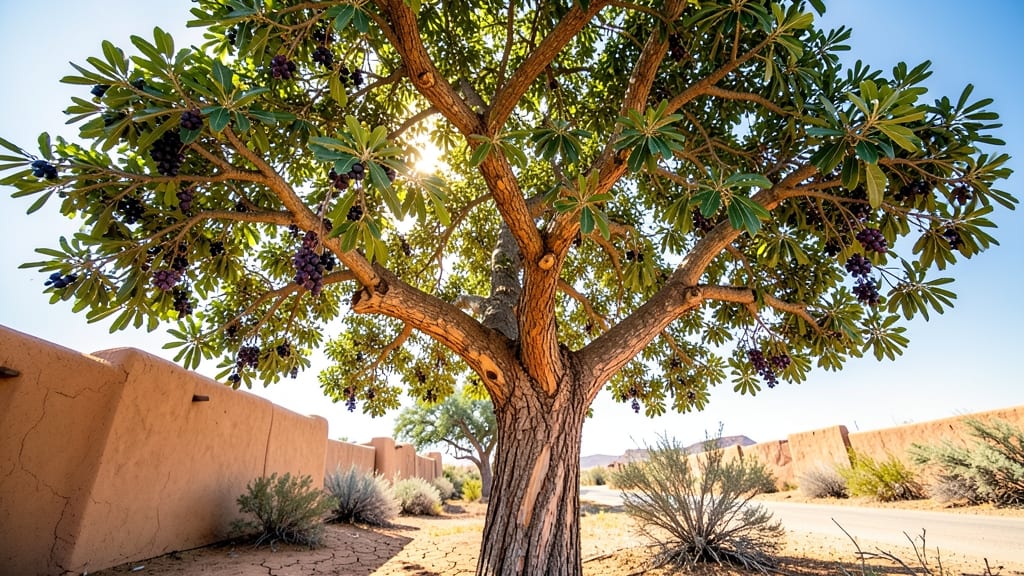
If you live in the Southwest and dream of a low-maintenance fruit tree that thrives under the scorching sun, the Texas Mulberry Tree (Morus microphylla) is your perfect match. Unlike other mulberries that struggle in arid climates, this native species has evolved to handle 100°F+ temperatures and minimal rainfall once established.
Its spicy-sweet berries ripen in late summer and dry beautifully into chewy, nutritious snacks—ideal for foraging or permaculture systems. The tree’s small, glossy leaves and compact growth (15-25 feet) make it a space-efficient choice for desert landscapes. Simply water deeply during the first year, then let nature take its course—this tree is built for resilience.
Permaculturists and homesteaders will love its dual-purpose benefits: wildlife-friendly fruit and drought-proof structure. It’s the ultimate Southwest survivor that rewards you with both beauty and bounty. 🌻