
Blooming
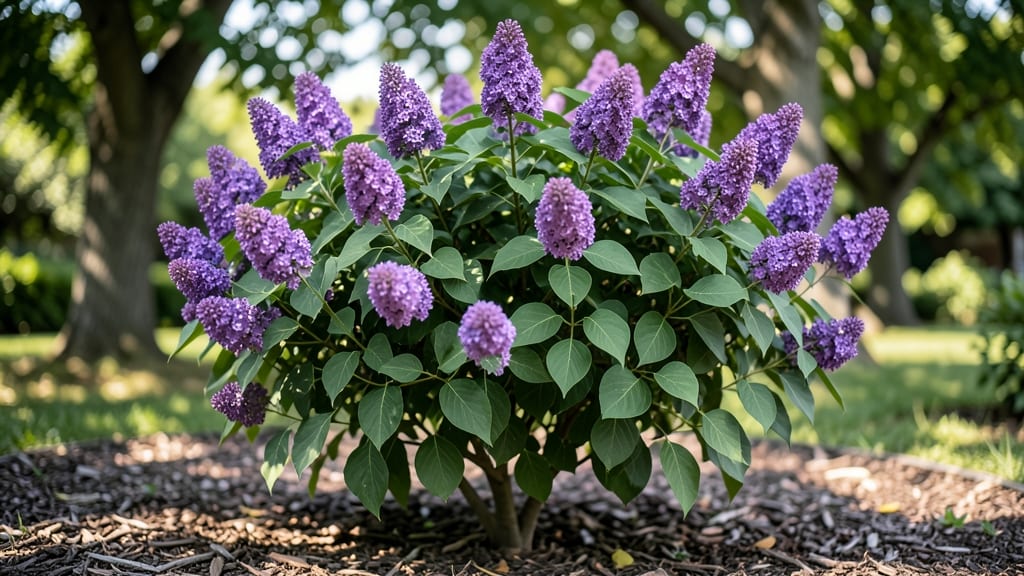
That vertical canopy of deep purple blooms transforms any garden into a living masterpiece. 🌿 The Bloomerang Dark Purple Lilac Tree Form isn't just another shrub—it's a bold statement piece that adds height, drama, and seasonal interest to your landscape.
Unlike traditional lilacs that sprawl, this variety grows in a stunning, upright form, making it perfect for focal points or mixed borders where you want to draw the eye upward. What makes it so versatile? It thrives in small gardens, urban courtyards, or as a standalone specimen.
The rich, dark purple flowers appear in late spring, but the real magic happens year-round—silver-green foliage in summer, golden tones in fall, and even winter structure when the branches catch the light.
Pair it with white flowering shrubs like hydrangeas or spirea to create a stunning contrast, or let it stand alone as the centerpiece of your garden. The best part? It’s low-maintenance once established. A light pruning after flowering keeps it tidy and encourages even more blooms next year.
Imagine walking past it in spring when the air is thick with that classic lilac fragrance—it’s a sensory experience that turns heads every time. This isn’t just a plant; it’s a conversation starter for your outdoor space.
Whether you’re designing a modern minimalist garden or a cottage-style retreat, the Bloomerang Dark Purple Lilac Tree Form fits right in. It’s the kind of plant that makes neighbors stop and ask, “What is that?”—and then you get to say, “It’s the secret to my garden’s drama.”
📚 In This Guide
- What you need
- Instructions
- Tips and common mistakes
- Wrapping up and next steps
What you need
- ● Bloomerang Dark Purple Lilac Tree: 1 healthy, disease-resistant sapling (check local nurseries for Syringa meyeri 'Palibin' or similar cultivars).
- ● Planting Hole: Twice as wide and deep as the root ball (dig to 12–18 inches deep).
- ● Well-Draining Soil: Mix of topsoil, compost (50%), and perlite/sand (20%) for optimal aeration.
- ● Organic Mulch: 2–3 inches of wood chips or shredded bark (keep 6 inches away from the trunk).
- ● Slow-Release Fertilizer: 10–20–10 NPK ratio (follow package instructions for dosage).
- ● Garden Gloves (1 pair, heavy-duty for digging).
- ● Shovel & Spade (1 each, for digging and soil prep).
- ● Pruning Shears (bypass pruners, sharp and sterilized).
- ● Watering Can or Hose (with adjustable nozzle for gentle watering).
- ● Measuring Tape (to mark planting depth).
- ○ Optional: Soil pH tester (ideal range: 6.0–7.0), tree stakes (2–3 for support if needed), and drip irrigation kit for long-term care.
- ● ✅ Sunlight: Full sun exposure (6+ hours daily). ✅ Climate: USDA Hardiness Zones 3–8 (cold-hardy but avoid waterlogged soil). ✅ Timing: Plant in early spring or fall for best root establishment.
- ● ✅ Space: Allow 6–8 feet of clearance for mature spread.
How to plant and care for a Bloomerang Dark Purple Lilac tree form
This striking vertical lilac creates a bold focal point with minimal fuss—here's how to set it up for years of fragrant blooms.
🌱 Step 1: Select the Perfect Planting Location
Choose a spot with full sun exposure (6-8 hours daily) and well-draining soil. The Bloomerang's upright form thrives when planted where it won't be shaded by larger trees or structures. I dig a hole twice as wide as the root ball but only as deep—planting too deep suffocates the roots and causes stress.
Test your soil's drainage by digging a 12-inch hole and filling it with water. If it drains completely within 2 hours, your site is ready. For clay-heavy soil, mix in 2-3 inches of compost to improve aeration. The tree's dramatic vertical shape makes it perfect for narrow spaces or as a striking entryway accent.
🌿 Step 2: Plant at the Right Depth and Stake for Support
Remove the plant from its container and gently loosen any circling roots with your fingers. Position it in the hole so the top of the root ball sits 1 inch above ground level—this prevents settling that could bury the trunk. The Bloomerang's natural upright growth means it rarely needs heavy staking, but I still install two 4-foot stakes on opposite sides and secure them with flexible ties to prevent wind rock during establishment.
Backfill with native soil, tamping gently every 4 inches to eliminate air pockets. Create a 2-inch high berm around the base to encourage water to soak into the root zone. Water deeply until moisture reaches 8-10 inches down—you'll see the soil surface darken as it absorbs water.
☀️ Step 3: Establish a Watering Routine for First Season Growth
Water 2-3 times weekly during the first growing season, providing 1-2 gallons per watering until the root system establishes. The key is deep, infrequent watering that encourages roots to grow downward. I check moisture by sticking my finger 2 inches into the soil—if it feels dry, it's time to water. Avoid wetting the foliage to prevent fungal diseases that can discolor the dark purple blooms.
Mulch with 2-3 inches of organic mulch (like shredded bark), keeping it 6 inches away from the trunk to prevent rot. The mulch helps maintain even soil moisture and temperature while suppressing weeds. You'll notice new growth appearing within 4-6 weeks as the tree settles into its new home.
✂️ Step 4: Prune for Shape and Encourage Future Blooms
Prune immediately after flowering in late spring to maintain the tree's distinctive vertical form. Remove any crossing branches or those growing inward, cutting back to the nearest outward-facing bud. The Bloomerang's natural habit means minimal pruning is needed—just shape lightly each year to preserve its dramatic silhouette. I avoid heavy pruning, as this lilac variety blooms on both old and new wood, ensuring reliable flowers year after year.
Fertilize lightly in early spring with a 10-10-10 balanced fertilizer to support new growth. Over-fertilizing can lead to excessive foliage at the expense of those stunning dark purple blooms. Watch for signs of stress like yellowing leaves or leaf drop—these often indicate either overwatering or nutrient imbalance. The tree's upright form makes it easy to spot problems from a distance.
⏰ Step 5: Prepare for Winter and Long-Term Care
Once established (after 2-3 years), the Bloomerang Dark Purple lilac becomes extremely drought-tolerant. Reduce watering to once weekly during dry spells in its second year, and monthly thereafter unless experiencing extreme heat. The tree's deep roots make it resilient once established, but young plants need consistent moisture to develop properly.
In winter, the tree's dark purple stems provide striking winter interest. I avoid heavy pruning in late fall, as this can expose the wood to cold damage. A light shaping in early spring keeps the tree looking its best. With proper care, your Bloomerang will reward you with 10-14 days of fragrant blooms each spring, becoming a true garden showstopper.
Tips & tricks for perfect Bloomerang Dark Purple Lilac planting
Here's what nobody tells you about getting that dramatic vertical form to thrive from day one.
Sunlight Strategy: That 6-8 hours of full sun is non-negotiable—this variety won't tolerate shade. I've seen people plant theirs near taller trees, thinking "it'll grow out of it," but the Bloomerang's dark purple blooms will fade to pale pink if deprived of direct sunlight. If your yard has partial shade, consider planting it against a south-facing wall where it can catch reflected sunlight.
Root Ball Depth: The 1-inch above-ground rule for the root ball is critical—settling can bury the trunk over time. I like to mark the top of the root ball with a pencil before planting, then check it again after backfilling. If you plant too deep, you risk girdling the trunk as the soil settles, which can strangle the tree's growth. Think of it like wearing shoes that are just right—not too tight, not too loose.
Watering Wisdom: Those 2-3 weekly waterings in the first season are about consistency, not quantity. I use a rain gauge to track moisture—if you get 1 inch of rain, you can skip a watering. The key is getting that water down to 8-10 inches deep. A soil probe or even a long screwdriver helps verify penetration. Overwatering is just as damaging as underwatering for this variety.
Pro Tips for Bloomerang Dark Purple Lilac Tree Form
- Here's what nobody tells you about getting that dramatic vertical form to thrive from day one.
- Sunlight Strategy: That 6-8 hours of full sun is non-negotiable—this variety won't tolerate shade.
- Root Ball Depth: The 1-inch above-ground rule for the root ball is critical—settling can bury the trunk over time.
Frequently asked questions
Got questions about the stunning Bloomerang Dark Purple Lilac Tree Form? You’re not alone! Here are some of the most common inquiries to help you make the best decisions for your landscape.
How fast does this lilac tree grow, and how large will it get?
The Bloomerang Dark Purple Lilac Tree Form grows at a moderate rate, typically adding 12–24 inches per year. At maturity, it reaches 8–12 feet tall with a 6–8-foot spread, making it perfect for small to medium landscapes. Prune annually to maintain its compact, tree-like shape!
When is the best time to plant this lilac tree?
Plant your Bloomerang Dark Purple Lilac Tree Form in early spring or fall when temperatures are mild. Avoid extreme heat or frost, as these can stress young roots. If planting in summer, water deeply 2–3 times per week until established.
Does this tree bloom only once a year, or does it rebloom like the Bloomerang series?
Yes! This Dark Purple variety is part of the Bloomerang series, known for reblooming twice per season—once in spring and again in late summer/early fall. With proper care, you’ll enjoy vibrant purple blooms for months!
Are there any special care tips to keep it healthy and blooming?
This lilac thrives with full sun (6+ hours daily) and well-draining soil. Prune after blooming to shape and encourage new growth. Water deeply but avoid soggy soil—mulch around the base to retain moisture. Fertilize lightly in early spring for best results.
Can I grow this lilac in a container, or is it strictly for the ground?
While it’s best planted in the ground for long-term health, you can grow it in a large container (20+ gallons) for 3–5 years. Use a fast-draining potting mix and upgrade the pot size as it grows. Just know it may need more frequent watering and pruning to stay compact.
Are lilac trees like this good for pollinators?
Absolutely!
Lilacs are pollinator magnets, attracting bees, butterflies, and hummingbirds with their fragrant blooms. The Dark Purple variety is especially beloved by pollinators, making it a fantastic eco-friendly choice for your garden.
Wrapping up and next steps
The Bloomerang Dark Purple Lilac isn’t just a tree—it’s a statement of dramatic beauty that transforms your landscape into a year-round masterpiece. With its striking vertical form, rich purple blooms, and low-maintenance charm, it’s the perfect choice for gardeners who crave elegance without the fuss.
Whether you’re a seasoned horticulturist or a newbie with a green thumb, this lilac delivers impact and joy with minimal effort.
Ready to elevate your outdoor space? Start by sketching your dream design—then reach out to local nurseries or trusted suppliers to bring your Bloomerang vision to life! 🌿✨