
Pruning
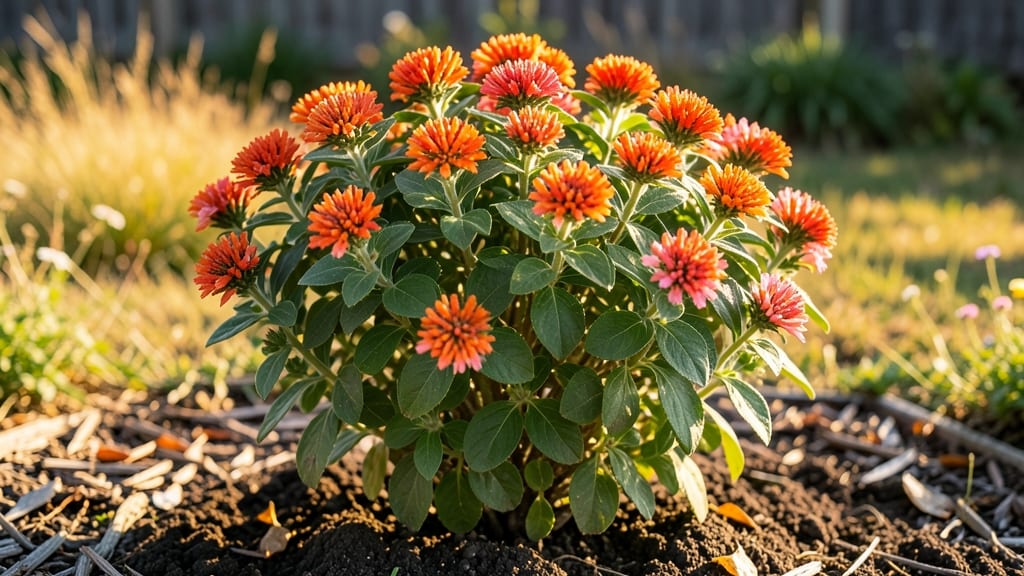
Lantana's natural bushy form makes it a gardener's dream—but only if you prune it right. 🌿 I've spent years shaping mine into a small tree with cascading blooms, and the secret isn't complicated: consistent trimming keeps it compact, flowering, and full of energy.
Most people treat lantana like a wild shrub, but with the right cuts, you can train it into a 6-8 foot specimen that blooms nonstop.
The key is pruning year-round, not just once a year. After the first flush of flowers, I trim back about a third to encourage bushier growth. In late winter, I do a harder cut to shape it before spring growth kicks in.
Varieties like Lantana camara respond best to this approach—they naturally grow in a rounded, multi-stemmed form, but pruning helps them stay upright and tree-like.
What you end up with is a dense, flowering powerhouse that attracts butterflies and hummingbirds. The blooms come in waves, and the plant stays lush even in heat waves.
My lantana now looks like a small, flowering tree rather than a scraggly shrub, and it's all thanks to regular pruning and a little patience.
Works for both container-grown lantana and in-ground plants. The same techniques apply whether you're growing it as a standalone feature or part of a mixed border. Here's how to get started shaping yours!
📚 In This Guide
- What you need
- Instructions
- Tips and common mistakes
- Wrapping up and next steps
What you need
- ● Pruning shears: Bypass pruners (for clean cuts on small stems) or anvil pruners (for thicker branches). Specs: Sharp, stainless steel blades (2.5–4 inches).
- ● Loppers: 1 pair (for branches ½–1.5 inches thick). Specs: Long handles (20–24 inches) for leverage.
- ● Pruning saw: 1 (for stubborn, thick branches >1.5 inches). Specs: Curved-tooth blade for wood.
- ● Gloves: 1 pair of heavy-duty gardening gloves (cut-resistant for safety).
- ● Disinfectant: 70% isopropyl alcohol or a 10% bleach solution (to sterilize tools between cuts).
- ● Rubbing alcohol or hydrogen peroxide: Small bottle (for quick tool cleaning in the field).
- ● Trash bags or bucket: 1–2 (for clippings; lantana spreads easily—contain debris!).
- ● Hand pruners: Compact pair for precision trimming (great for shaping small branches).
- ● Extension pole pruners: For high branches (if your lantana is tall!).
- ● Sharpener: File or stone (to maintain tool sharpness mid-pruning).
- ○ Pruning sealant: (Optional) For large cuts >0.5 inches (e.g., tree wound dressing).
- ● Notebook & pen: To track pruning dates and growth patterns.
Instructions for pruning lantana to encourage a tree form
Transform your lantana from a sprawling shrub into a stunning tree form with these simple, year-round pruning techniques.
✂️ Step 1: Select and Train the Central Leader
Start by identifying the strongest, straightest stem in your lantana—this will be your central leader. Use sharp pruning shears to remove competing branches growing from the base, cutting them back to the ground. You'll want to leave just one main stem, as multiple leaders create a weak, multi-headed tree.
Here's the thing—lantanas are naturally bushy, so you'll need to prune aggressively at first. Cut back any side branches that emerge lower than 12 inches from the base. This forces energy upward into your chosen leader. Watch for new growth along the central stem; these will become your future scaffold branches.
🌿 Step 2: Develop Scaffold Branches for Structure
Once your central leader reaches 18-24 inches tall, it's time to create your scaffold branches. Select 3-5 strong side branches spaced evenly around the stem, cutting them back to 6-8 inches from the main trunk. These branches will form your tree's primary limbs.
Don't worry if your lantana looks bare at first—this is temporary. The cuts you make now will stimulate bushier growth. As these scaffold branches grow, continue pruning back any competing vertical shoots that threaten to create a second leader. You'll see new lateral growth emerging from the cut points within 4-6 weeks.
☀️ Step 3: Maintain Shape and Encourage Blooms Year-Round
Every 4-6 weeks, give your lantana a light shaping trim to maintain its tree form. Focus on removing any branches growing inward or crossing others—these create weak spots and block airflow. Cut back leggy growth by one-third to promote denser foliage and more flowers.
This is where lantanas shine—they bloom continuously when pruned properly. After each flush of flowers fades, trim back the spent blooms to just above a set of leaves. You'll notice new flower buds forming within 2-3 weeks. The key is consistent, light pruning rather than heavy annual cuts.
⏰ Step 4: Seasonal Adjustments for Health and Form
In late winter or early spring, give your lantana a harder prune to remove any dead or weak growth. Cut back any branches that grew too long during the previous season by half their length. This stimulates fresh, vigorous growth and prepares the plant for the next blooming cycle.
During summer, when growth slows, focus on shaping rather than heavy pruning. Remove only the tips of branches that exceed your desired shape. You'll see your tree form take shape more clearly as the seasons progress. Lantanas are forgiving, so don't stress about perfection—just maintain the balance between structure and bloom production.
🪴 Step 5: Support and Stake as Needed
Young lantana trees may need temporary support as they develop their woody structure. Install 2-3 stakes around your plant, securing the central leader with soft ties. This prevents bending and encourages upright growth. Remove the stakes once the trunk reaches 3-4 feet tall and is sturdy enough to stand alone.
Here's what I've found works best: Use fabric plant ties rather than wire or plastic—they're gentler on the bark and allow the trunk to thicken naturally. Check the ties every 2-3 months to ensure they're not digging into the bark. With proper support, your lantana will develop a strong, self-sustaining tree form within 12-18 months.
Tips & tricks for perfect lantana tree form
A few strategic cuts can transform your lantana from wild shrub to elegant tree—here's how to avoid the most common pruning pitfalls.
Tool Selection: Invest in a good pair of bypass pruning shears for clean cuts—never use scissors or dull tools. I've ruined too many cuts trying to save money on cheap shears, which crush stems and invite disease. For thicker branches, use loppers or a pruning saw—just make sure they're clean and sharp before each use.
Pruning Timing: The 4-6 week maintenance schedule in Step 3 is non-negotiable for continuous blooms. Mark your calendar or set phone reminders—skipping even one cycle lets leggy growth take over. I keep a small notebook by my gardening tools to track when I last pruned each plant, which has saved me from overgrown messes.
Visual Cues: When selecting your 3-5 scaffold branches in Step 2, look for branches that form a natural spiral pattern up the stem. This creates a more organic, balanced tree form. If your branches grow too close together, gently spread them apart before securing with ties—this prevents future crowding.
Seasonal Adjustments: That late winter/early spring hard prune in Step 4 is your chance to reset everything. Cut back any branches that grew too long during summer by half—they'll respond with vigorous new growth. I like to do this just before the first warm rains of spring, which helps the plant recover faster.
Pro Tips for Lantana Tree Form
- A few strategic cuts can transform your lantana from wild shrub to elegant tree—here's how to avoid the most common pruning pitfalls.
- Tool Selection: Invest in a good pair of bypass pruning shears for clean cuts—never use scissors or dull tools.
- Pruning Timing: The 4-6 week maintenance schedule in Step 3 is non-negotiable for continuous blooms.
Frequently asked questions
Got questions about shaping your lantana tree form for lush, year-round blooms? Here are answers to the most common queries—so you can prune with confidence!
When is the best time to prune lantana for optimal growth?
Prune your lantana lightly after each major bloom cycle (spring, summer, fall) to encourage new growth and flowers. For hard pruning (reshaping or rejuvenating), do it in early spring before new shoots emerge. Avoid heavy cuts in winter—lantana is semi-dormant and may struggle to recover.
How much can I cut back my lantana without harming it?
Lantana is tough and resilient—you can trim up to one-third of its height in a single session without stressing it. For bushier growth, snip back 1/4 to 1/2 of the current season’s growth. If your lantana looks leggy, cut it back by half to stimulate dense regrowth. Pro tip: Use clean, sharp shears to avoid tearing stems!
Why isn’t my lantana blooming after pruning?
Lantana needs sunlight and balanced pruning to flower. If blooms are sparse, check these:
- Light: Ensure it gets 6+ hours of full sun daily.
- Pruning timing: Over-pruning in late fall/winter can delay blooms.
- Fertilizer: Use a low-nitrogen, high-phosphorus feed (like 5-10-10) in spring.
- Deadheading: Trim spent flowers to prompt new blooms.
Are there alternatives to lantana for year-round color?
Yes! If lantana’s invasiveness or care needs don’t suit you, try these low-maintenance, blooming plants:
- Salvia (e.g., Mexican Bush Sage): Drought-tolerant, vibrant blooms, and deer-resistant.
- Firebush (Hamelia patens): Thrives in heat/humidity, attracts hummingbirds.
- Portulaca (Moss Rose): Succulent-like, blooms all summer, needs minimal water.
- Plumbago (Leadwort): Fast-growing, blue/purple flowers, great for trellises.
How do I fix a lantana that’s become overgrown or woody?
Revive a woody or leggy lantana with a rejuvenation prune:
- Cut back all stems to 6–12 inches tall in early spring.
- Remove dead or diseased branches first.
- Fertilize with balanced 10-10-10 after pruning.
- Water deeply 1–2 times weekly until new growth appears (usually 4–6 weeks).
Wrapping up and next steps
Mastering the lantana tree form through year-round pruning unlocks a vibrant, bushy landscape that thrives with color and resilience. 🌸 Whether you’re trimming for shape, health, or blooms, consistency is your secret weapon—just a few minutes monthly keeps your lantana lush and full of life.
Now that you’re equipped with the right tools and techniques, roll up your sleeves and give your lantana the care it deserves! Ready to transform your garden? Start with a single branch today—your future blooms will thank you!