
Pests and Diseases
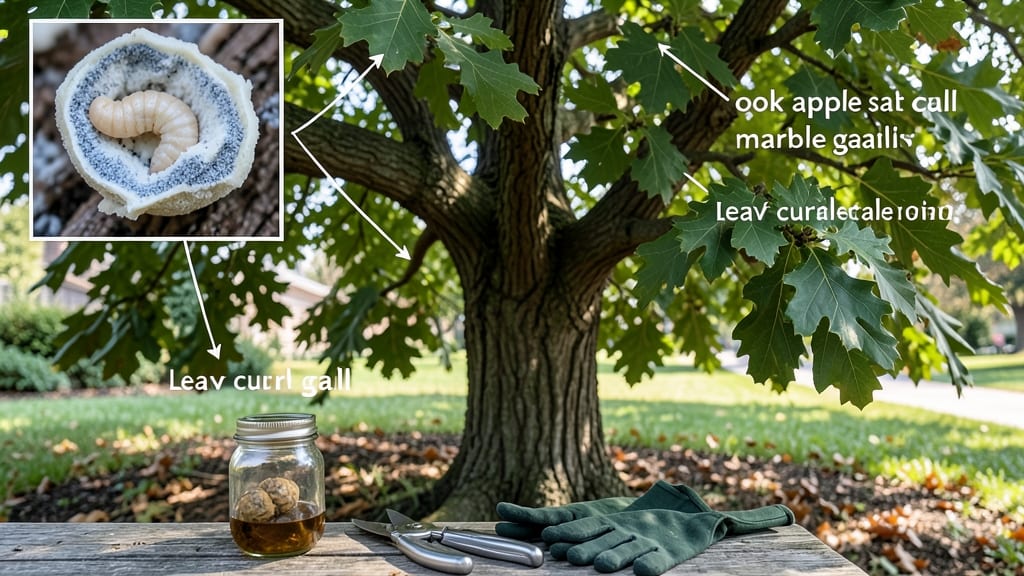
Those mysterious bumps on your oak tree leaves might be gall wasps wreaking havoc—or something else entirely. 🌿 I’ve spent years diagnosing these puzzling growths, and the key is knowing what you’re dealing with before jumping to treatments. Some bumps are harmless, while others signal serious stress or infestation.
The most common culprits? Gall wasps create round, hard bumps that look like tiny footballs, while fungal infections produce fuzzy, powdery spots. Environmental stress—like drought or poor soil—can also trigger weird leaf deformities. The good news? Most issues are manageable with the right approach.
You’ll learn to spot the difference between treatable pests and harmless quirks, plus how to prune or spray safely without harming your tree. Prevention is easier than you think—once you know the red flags. Let’s get your oak leaves back to their healthy, bump-free glory.
When in doubt, call an arborist. Some problems (like advanced fungal infections) need professional care. But for most cases, a little knowledge and timely action make all the difference. Ready to tackle this?
Underlying Causes Explained
Discovering bumps on oak tree leaves can be puzzling, but understanding the root causes helps you take targeted action. These irregularities often signal stress, pest activity, or disease—each with distinct triggers.
Below, we break down the most common reasons your oak tree’s leaves are developing unusual bumps, along with the science behind them.
Galls are abnormal growths caused by insects like Cynipid wasps or oak leaf gall wasps, which lay eggs in leaf tissue. The tree’s response to these eggs triggers cell proliferation, forming bumps or rounded swellings. These galls can appear as:
- Round, spongy bumps (often on the underside of leaves, caused by Andricus wasps).
- Fuzzy, hairy growths (from Neuroterus wasps, common on red oaks).
- Hard, woody lumps (like acorn-like structures, from Dryocosmus species).
Why it happens: The wasp’s saliva contains hormones that disrupt the tree’s normal growth patterns. The tree “walls off” the intruder, creating a gall that shelters the developing larvae. While galls may look alarming, they’re rarely fatal to the tree—but severe infestations can weaken foliage and reduce photosynthesis.
Tiny arachnids like two-spotted spider mites or oak leaf mites feed on leaf sap, causing raised, stippled bumps or yellowing between veins. Unlike true insects, mites are barely visible to the naked eye but leave behind:
- Raised, rough patches where cells are damaged.
- Fine webbing on leaf undersides (a key identifier).
- Bronzing or silvering of leaf surfaces.
Why it happens: Mites inject enzymes into cells to liquefy their contents, creating tiny “bumps” as the tree’s cells collapse and regenerate unevenly. Prolonged feeding leads to chlorosis (loss of green pigment) and stunted growth. Hot, dry conditions accelerate mite activity, as they thrive in low humidity.
Fungal pathogens like anthracnose (Apiognomonia veneta) or oak leaf blister (Taphrina caerulescens) create bumpy, discolored lesions. Symptoms vary by fungus but often include:
- Blister-like swellings (yellow, orange, or purple) on upper leaf surfaces.
- Cracked or puckered leaf tissue as lesions expand.
- Premature leaf drop if infections spread.
Why it happens: Fungi release spores that germinate on leaf surfaces, penetrating through stomata or wounds. The tree’s immune system responds by overproducing cells at infection sites, forming bumps. High humidity and wet foliage (e.g., from rain or overhead watering) create ideal conditions for fungal spores to infect leaves.
Not all bumps are biological—environmental factors can also trigger abnormal growth:
- Hail or wind damage: Creates dimple-like depressions or raised scars where cells are crushed.
- Herbicide drift: Causes stippled, puckered leaves as growth hormones are disrupted.
- Extreme heat or drought: Leads to thickened, leathery bumps as the tree conserves water.
Why it happens: Physical trauma or chemical exposure stresses the tree’s meristematic cells (growth cells), causing irregular regeneration. Unlike pest-related bumps, these are usually localized and lack accompanying webbing, frass (insect waste), or fungal spores.
Pro Tip: 🔍 Examine the undersides of leaves and check for webbing, tiny insects, or spores to narrow down the cause. Early identification lets you treat the issue before it spreads!
Quick Fixes for Leaf Bumps
If you’ve spotted bumps on your oak tree leaves, don’t panic—most issues can be resolved with targeted care. Below, we break down practical solutions for the most common causes, from fungal infections to pest infestations, along with prevention tips to keep your tree thriving.
---
Fungal bumps often appear as raised, discolored spots or fuzzy patches. These thrive in damp, shaded conditions, so early action is key.
#### 🔥 Step 1: Prune for Better Airflow - Remove infected leaves (wear gloves!) and dispose of them in a sealed bag. - Thin out dense branches to improve sunlight and airflow—fungi love stagnant, humid spots. - Clean pruning tools with rubbing alcohol between cuts to prevent spreading spores.
#### 🍳 Step 2: Apply Fungicide - Store-bought options: Use a copper-based fungicide or neem oil spray (both are organic and effective). - Homemade remedy: Mix 1 tsp baking soda + 1 tbsp vegetable oil + 1 quart water + a drop of dish soap.
Spray on leaves (test a small area first). - Timing: Apply in the early morning or evening to avoid leaf burn from sunlight.
#### 🌡️ Step 3: Adjust Watering Habits - Water at the base (not overhead) to keep leaves dry. - Water early in the day so foliage has time to dry before nightfall. - Avoid overwatering—oaks prefer deep but infrequent watering.
#### ✨ Prevention Tips - Space trees properly (30+ feet apart for mature oaks) to reduce humidity buildup. - Mulch correctly: Use 3–4 inches of organic mulch (like wood chips) but keep it 6 inches away from the trunk to prevent rot. - Monitor humidity: If your area is prone to rain, consider a dehumidifier near the tree or install a drip irrigation system for controlled moisture.
---
Bumps caused by pests often look like small, hard lumps (galls) or sticky residue (honeydew from scale insects). These critters weaken trees over time, so act fast.
#### 👨🍳 Step 1: Identify the Culprit - Galls (oak apple galls, knopper galls): Look for round, woody bumps—usually harmless but unsightly. - Scale insects: Check for tiny, immobile bumps stuck to leaves/stems (they secrete honeydew, attracting ants). - Spider mites: Inspect for fine webbing and speckled leaves (mites are too small to see without a magnifier).
#### 🔪 Step 2: Targeted Treatments | Pest | Solution | |-------------------|-----------------------------------------------------------------------------| | Galls | No treatment needed—galls are caused by wasps and won’t harm the tree. Prune severe cases for aesthetics. | | Scale Insects | Horticultural oil (apply in dormant season or when temps are 50–85°F).
Repeat every 7–10 days for 2–3 weeks. | | Spider Mites | Spray with water (forceful stream to dislodge mites), then apply neem oil or insecticidal soap. |
#### 🌿 Step 3: Encourage Natural Predators - Ladybugs, lacewings, and parasitic wasps eat spider mites and scale. Plant companion flowers (like marigolds or dill) to attract them. - Avoid broad-spectrum pesticides—they kill beneficial bugs too!
#### 🎯 Prevention Tips - Inspect trees regularly (especially in spring and fall when pests are most active). - Keep the area weed-free—weeds harbor pests. - Use reflective mulch (like aluminum foil) around the base to deter spider mites.
---
Sometimes, bumps aren’t from pests or fungi but from stressed leaves due to poor soil or water.
#### 💡 Step 1: Test Your Soil - DIY test: Dig a 6-inch hole, add water, and check drainage. If water pools, your soil is too compacted. - pH test: Oak trees prefer slightly acidic to neutral soil (pH 6.0–7.5).
Adjust with lime (to raise pH) or sulfur (to lower pH) if needed.
#### 🥗 Step 2: Fertilize Properly - Avoid fast-release fertilizers—they burn roots. Instead, use a slow-release, organic fertilizer (like 10-10-10) in early spring. - Top-dress with compost (2–3 inches) around the drip line (not the trunk) to improve soil gradually.
#### 🌧️ Step 3: Water Deeply but Infrequently - Water slowly (1–2 inches per week) to encourage deep root growth. - Use a moisture meter to check soil depth—oaks hate soggy roots but also drought stress.
#### 🔥 Prevention Tips - Mulch annually with wood chips or pine straw to retain moisture. - Group oaks with companion plants (like clover or ferns) to improve soil health. - Avoid heavy foot traffic near the base—compacted soil = poor drainage.
--- Final Note: Most leaf bumps resolve within 4–6 weeks with consistent care. If the problem persists or leaves yellow extensively, consult a local arborist for a deeper diagnosis. 🌳💚
Frequently asked questions
Are bumps on oak leaves always a sign of disease?
Not necessarily! Many bumps are caused by harmless gall wasps, which create distinctive growths that won’t harm your tree. The key is identifying whether the bumps are soft and fuzzy (likely fungal) or hard and woody (probably insect-related). If the leaves stay green and the tree appears healthy, the bumps may just be a natural response to pests.
How do I tell if my oak tree has spider mites or fungus?
Check the leaf undersides for clues: spider mites leave fine webbing and cause speckled yellowing, while fungal infections produce raised, discolored patches with possible powdery spores. Mites thrive in dry conditions, while fungi love damp, shaded areas. A magnifying glass helps spot tiny mites or fungal spores.
Can I prune leaves with bumps to stop the spread?
Yes, but only if the bumps are fungal or severely damaging. For fungal issues, remove infected leaves and dispose of them in a sealed bag. For gall wasps, pruning won’t help—it’s better to focus on preventing future infestations. Always sterilize pruning tools with rubbing alcohol between cuts to avoid spreading pathogens.
Will bumps on oak leaves eventually go away on their own?
Many harmless bumps (like gall wasp galls) will fall off naturally when leaves drop in autumn. However, fungal infections or pest damage may worsen without treatment. If the tree remains healthy and new growth looks normal, the bumps are likely temporary. Monitor for worsening symptoms like yellowing or leaf drop.
When should I call an arborist about oak leaf bumps?
Consult a professional if you notice large areas of leaf drop, oozing sap, or severe discoloration beyond just the bumps. Also call if home treatments fail after 4-6 weeks or if the tree shows signs of stress like stunted growth. Early intervention prevents long-term damage.