
Diseases
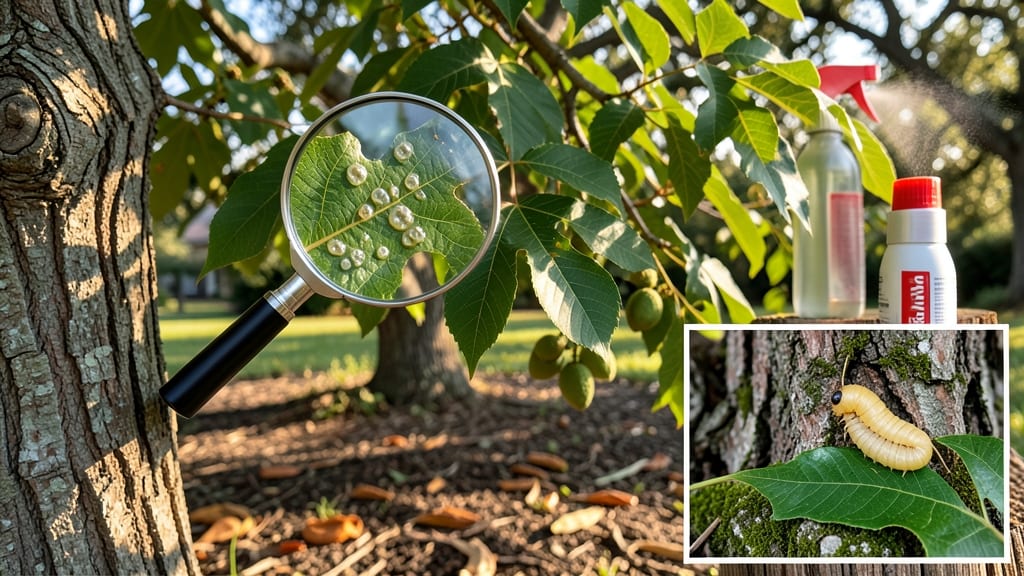
Those mysterious bumps on your pecan tree leaves could mean trouble—or just a misunderstanding. 🌿 The first step is telling the difference between harmless environmental stress and fungal infections like anthracnose or scab, which can weaken your tree if left unchecked.
I’ve seen both on my own pecan trees, and the solutions couldn’t be more different.
Most bumps start as tiny raised spots that darken over time, often appearing after wet springs or hot summers. Fungal spots usually have a velvety texture or yellowish halo, while insect damage (like nut curculio) leaves behind small holes or chewed edges.
The key is catching it early—before the bumps spread to new leaves or nuts.
You’ll fix this with a mix of pruning, fungicide sprays (neem oil works great), and better air circulation around the tree. I’ve stopped entire outbreaks by cleaning up fallen leaves and watering at the base—not the canopy. The goal? Keep your tree healthy enough to fight back naturally.
If the bumps keep coming back or the tree looks stressed, it’s time to call an arborist. But in most cases, a little prevention and quick action will have your pecan tree thriving again by next harvest season.
Understanding Leaf Bump Triggers
When your pecan tree’s leaves start developing unsightly bumps, it’s often a sign of stress or infection. But what’s really causing those pesky protrusions? Let’s break down the most common culprits—each with its own unique triggers and behaviors.
Fungi are the most frequent offenders behind leaf bumps in pecan trees. These microscopic organisms thrive in warm, humid conditions and can distort leaves in distinct ways.
1. Anthracnose: The Blotchy Bummer
Anthracnose (Colletotrichum spp.) causes raised, dark spots with irregular edges that may develop into bumps. These lesions often appear on younger leaves and can merge over time.
- Why it happens: Fungal spores splash onto leaves from infected debris or soil, especially after rain or overhead irrigation. - Key signs: Small, sunken bumps with yellow halos, often on leaf edges. - Actionable tip: 💡 Prune and remove infected leaves in fall to reduce spore spread.
Apply copper fungicide at bud break if outbreaks recur.
2. Rust Diseases: The Orange Alert
Rust fungi (e.g., Transchelminia spp.) create puffy, orange-yellow bumps on leaf undersides, which later turn brown and crusty. These bumps weaken the leaf’s ability to photosynthesize.
- Why it happens: Rust spores spread via wind or splashing water, especially in shady, humid areas.
- Key signs: Bright orange pustules (like tiny blisters) on leaf undersides.
- Actionable tip: 🌡️ Avoid overhead watering. Spray neem oil or sulfur-based fungicide at the first sign of yellowing.
3. Powdery Mildew: The White Web
While powdery mildew typically appears as a white, powdery coating, severe infections can cause thickened, bumpy leaf surfaces as the fungus smothers stomata (leaf pores).
- Why it happens: This fungus loves poor air circulation and high humidity (60%+). It’s common in densely planted pecan orchards. - Key signs: White, velvety patches that turn leaves leathery and distorted. - Actionable tip: ✨ Increase airflow with pruning and mulching.
Apply baking soda spray (1 tsp baking soda + 1 quart water + a drop of soap) as a preventive.
Not all bumps are fungal—some are caused by insects that feed on leaf tissue, leaving behind raised, irregular scars.
1. Spider Mites: The Tiny Terror
These microscopic pests suck sap, causing stippled, bumpy patches on leaves. Heavy infestations lead to silvering (white, crinkled areas) and premature leaf drop.
- Why it happens: Drought stress or dusty leaves attract mites. They thrive in hot, dry conditions.
- Key signs: Tiny bumps + fine webbing on leaf undersides.
- Actionable tip: 🔥 Blast leaves with water to dislodge mites. Use horticultural oil in early spring before they multiply.
2. Leafminers: The Tunnel Makers
Leafminer larvae (e.g., Phyllocnistis spp.) burrow under leaf surfaces, creating blistered, raised trails as they feed.
- Why it happens: Females lay eggs on new growth, and larvae hatch to mine between leaf layers.
- Key signs: Serpentine, brown trails with bumpy ridges along them.
- Actionable tip: 🎯 Remove heavily infested leaves. Apply kaolin clay or Bt (Bacillus thuringiensis) spray for organic control.
Sometimes, bumps aren’t caused by pathogens or pests—but by extreme environmental factors that disrupt leaf development.
1. Hail or Physical Damage
Hailstones or strong winds can crush leaf tissue, causing raised, bruised bumps that may turn brown or black.
- Why it happens: Sudden impact ruptures cell walls, leading to localized swelling.
- Actionable tip: 🛡️ Protect young trees with netting during storm season. Prune damaged branches to improve airflow.
2. Nutrient Deficiencies or Toxicity
Excess boron, manganese, or zinc can cause irregular leaf bumps as the tree struggles to process nutrients.
- Why it happens: Over-fertilization or alkaline soil (pH > 7.5) locks out essential micronutrients.
- Actionable tip: 📊 Test soil pH and amend with sulfur if too alkaline. Avoid high-phosphorus fertilizers near pecan trees.
3. Herbicide Drift
Glyphosate or other broadleaf herbicides can distort new leaf growth, leading to wart-like bumps if sprayed too close.
- Why it happens: Chemicals disrupt cell division in developing leaves.
- Actionable tip: ⏰ Wait at least 30 days after herbicide application before planting new pecan trees nearby.
Pro Tip: 🔍 Always examine both leaf sides and check for patterns—fungal bumps are often clustered, while insect damage may follow feeding trails. When in doubt, snap a photo and consult your local cooperative extension service for a diagnosis!
Fixing Your Pecan Tree’s Leaf Bumps
Now that you’ve identified the culprit behind those pesky bumps on your pecan tree leaves, it’s time to take action! Whether it’s fungal infections like anthracnose, scab, or powdery mildew, or environmental stressors like mites or nut weevils, each issue requires a targeted approach.
Below, we’ll break down practical, step-by-step solutions tailored to the most common causes—plus prevention tips to keep your tree thriving long-term.
Fungi thrive in damp, shaded conditions, so removing infected foliage and improving airflow are your first lines of defense.
🔥 Step 1: Prune & Remove Infected Leaves
- 👨🍳 Trim away heavily bumpy or discolored leaves with sterilized pruners (wipe blades with rubbing alcohol between cuts).
- 🗑️ Bag and discard infected leaves far from the tree (do not compost them).
- ⏰ Best time: Early morning or late afternoon to avoid stressing the tree.
🍳 Step 2: Apply Fungicidal Sprays (Organic & Chemical Options)
| Cause | Recommended Treatment | When to Apply |
|---|---|---|
| Anthracnose | Copper fungicide (e.g., Bonide Copper Fungicide) or neem oil spray | Spring (before buds swell) & after rain |
| Scab | Sulfur-based fungicide or baking soda spray (1 tbsp baking soda + 1 tsp oil + 1 gallon water) | Early spring & late summer |
| Powdery Mildew | Potassium bicarbonate spray or hydrogen peroxide (3%) | At first sign of white powder |
💡 Pro Tip: For organic solutions, mix 1 tsp of dish soap + 1 tbsp horticultural oil + 1 gallon water and spray every 7–10 days during wet seasons.
🌡️ Step 3: Adjust Irrigation & Mulching
- ✨ Avoid overhead watering—use drip irrigation to keep leaves dry.
- 🎯 Mulch properly: Apply 2–3 inches of wood chips around the base (but not touching the trunk) to improve drainage.
If mites, aphids, or nut weevils are the culprits, physical removal and natural repellents work best.
🔪 Step 1: Knock Off Pests with a Strong Spray
- 💦 Use a hose blast (gentle pressure) to dislodge mites or aphids from leaves.
- 🍎 Follow up with insecticidal soap (spray directly on pests, not just leaves).
🎯 Step 2: Set Traps for Nut Weevils
- 🍪 Bait traps: Fill a jar with beer or overripe fruit and bury it near the tree—weevils will drown.
- 🌿 Monitor weekly and replace bait every 3–4 days.
🔥 Step 3: Encourage Natural Predators
- 🐞 Ladybugs, lacewings, and parasitic wasps eat mites and aphids. Buy them online or attract them with native plants like dill, fennel, or yarrow.
If bumps are due to heat stress, poor soil, or nutrient deficiencies, focus on long-term care.
💡 Step 1: Test & Amend Soil
- 📊 Get a soil test (local extension offices often provide free/cheap tests).
- 🌱 If deficient:
- Zinc/manganese? Use Epsom salt (magnesium sulfate) or foliar sprays.
🌿 Step 2: Water Deeply & Less Often
- 💧 Water at the base (not leaves) 1–2 times per week (adjust for drought).
- ⏰ Best time: Early morning to reduce fungal risk.
🍂 Step 3: Provide Shade & Mulch
- 🌳 If in a hot climate, plant shade trees (like oaks) nearby.
- 🎯 Mulch with pine straw or shredded bark to retain moisture.
Once you’ve treated the issue, stop it from returning with these easy habits:
✅ 🌱 Plant resistant varieties (e.g., ‘Desirable’ or ‘Curtis’ pecan cultivars tolerate disease better). ✅ 🍃 Clean up fallen leaves in autumn to remove overwintering fungi. ✅ 🔄 Rotate fungicides if using chemicals to prevent resistance. ✅ 🐝 Support pollinators—healthy trees with diverse ecosystems resist pests better! ✅ 📅 Monitor monthly—catch problems early before they spread.
Final Thought: Pecan trees are hardy but not invincible—with the right care, you can reverse leaf bumps and keep your tree productive for decades. Start with one treatment, observe for 2–3 weeks, then adjust as needed. Happy growing! 🌳💚
Frequently asked questions
Are those bumps on my pecan tree leaves harmful?
Not always—but timing matters! Small, isolated bumps from environmental stress (like hail or heat) are usually harmless. However, fungal bumps (like anthracnose) or insect damage (like leafminers) can weaken your tree if ignored. Act within 2–3 weeks to prevent spread.
How do I tell if the bumps are from fungus or insects?
Check the leaf underside—fungal bumps often have velvety textures or orange pustules (rust), while insect damage shows chewed edges or serpentine trails (leafminers). Fungal bumps cluster; insect bumps follow feeding patterns.
Can I use store-bought fungicide on my pecan tree?
Yes, but choose copper-based or neem oil sprays for fungal issues like anthracnose. Avoid overusing chemical fungicides—rotate with organic options (like baking soda spray) to prevent resistance. Always follow label instructions for application timing.
Will pruning help stop the bumps from spreading?
Remove infected leaves in fall to eliminate fungal spores. Sterilize pruners with rubbing alcohol between cuts, and discard infected leaves far from the tree. Prune for airflow—thin crowded branches to reduce humidity around leaves.
How long until I see improvement after treatment?
With fungal issues, expect 2–4 weeks for new growth to appear healthy. For insects, you may see changes within 1–2 weeks if predators (like ladybugs) are introduced. Monitor progress and reapply treatments if bumps persist—consistency is key!