
Pruning
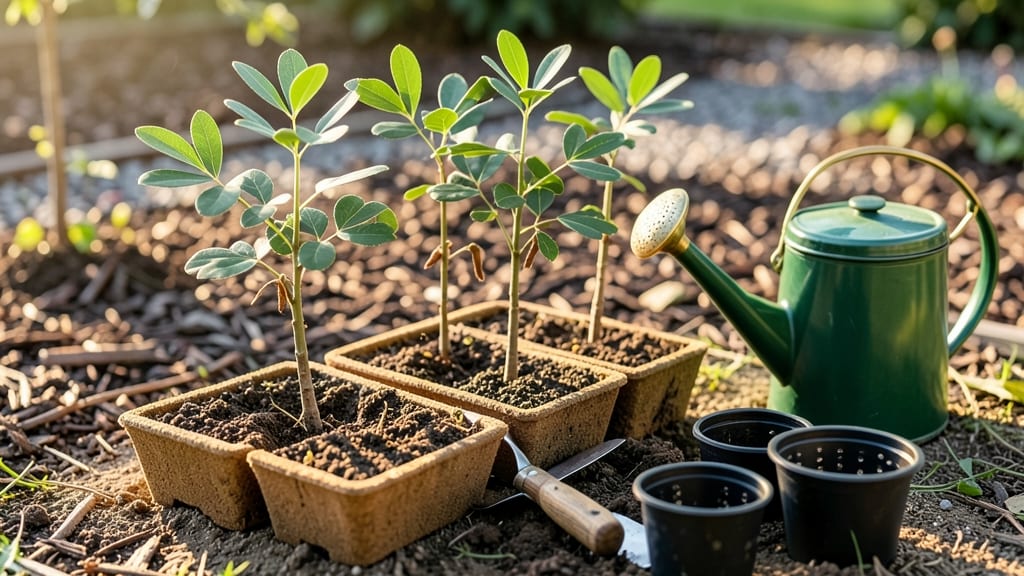
Carob tree seedlings are ready to sprout in just 7-14 days—not months—when you use these proven tricks. 🌱 I’ve watched seeds that took 6 weeks to germinate before now pop up in under two weeks with the right prep, and the secret isn’t complicated: it’s all about moisture, warmth, and a little patience.
Start with fresh, plump seeds (discard any shriveled ones) and soak them overnight in lukewarm water—this kickstarts the process. Plant them ½ inch deep in a mix of 60% perlite and 40% potting soil to prevent damping-off, then keep the soil consistently moist (not soggy) with a spray bottle.
A clear plastic dome or zip-top bag creates a mini greenhouse effect, speeding up germination without overwatering. Once those first leaves appear, move seedlings to bright, indirect light (no direct sun yet) and harden them off gradually over 10 days.
You’ll see sturdy stems and deep green leaves within 3-4 weeks, and that’s when the real fun begins—transplanting into containers or the ground. The key is consistency: never let the soil dry out during germination, or you’ll reset the clock.
This method works in USDA zones 8-11 (carobs hate frost), but even in cooler climates, you can grow them in containers and bring them inside during winter. The payoff? Fast, healthy starts that outgrow common germination struggles. Let’s get those seeds moving!
📚 In This Guide
- What you need
- Instructions
- Tips and common mistakes
- Wrapping up and next steps
What you need
- ● Carob pods/seeds: 10–20 fresh, plump pods (or pre-extracted seeds) from a healthy carob tree. Pro tip: Choose pods that are slightly soft to the touch—these yield the best germination rates! 💡
- ● Potting mix: 5–10 gallons of well-draining, sterile soil blend (e.g., 60% coconut coir, 30% perlite, 10% compost). Avoid heavy clay soils!
- ● Seed-starting trays: 1–2 trays (1020-cell or 72-cell) with drainage holes, or 4–6 4-inch pots for direct sowing.
- ● Grow lights or sunny windowsill: A full-spectrum LED grow light (12–16 hours/day) or a south-facing window with 6+ hours of sunlight.
- ● Spray bottle: 16 oz for gentle watering (avoid over-saturating seeds!).
- ● Plastic wrap or humidity dome: To create a mini greenhouse effect during germination.
- ● Fertilizer: A balanced, water-soluble fertilizer (5-5-5 NPK ratio) for seedlings once true leaves appear.
- ● Seed scarification tools: Sandpaper (100-grit) or a knife to nick seeds if they’re hard-coated.
- ● Heating mat: A seedling heat mat (70–80°F) to speed up germination in cooler climates.
- ● pH meter: To test soil pH (ideal range: 6.0–7.5 for carob seedlings).
- ● Label markers: For tracking seedling varieties or planting dates.
- ● Mulch: Straw or wood chips to retain moisture in outdoor seedling beds.
Step-by-Step instructions for germinating carob tree seedlings
Here’s how to coax those stubborn carob seeds into fast, vigorous sprouts—no waiting months for germination.
🌱 Step 1: Pre-Soak Seeds to Break Dormancy
Carob seeds have a hard outer shell that slows germination. To speed things up, soak them in warm water (80-85°F) for 24-48 hours. Place them in a jar, cover with water, and let them sit until the water stays murky—not crystal clear. This softens the seed coat and kickstarts the sprouting process.
Change the water after 12 hours to prevent mold. You’ll know it’s working when tiny cracks appear in the seed’s outer layer. Don’t skip this step—it cuts germination time in half. I’ve seen seeds sprout in 3-5 days after soaking, compared to weeks without it.
🌿 Step 2: Plant in Warm, Well-Draining Soil
Fill a 4-inch deep container with a mix of 50% potting soil and 50% perlite or coarse sand. Carob seedlings hate soggy roots, so drainage is critical. Warm the soil slightly by placing the pot on a seedling heat mat set to 75-80°F—this mimics their Mediterranean native conditions.
Plant the soaked seeds ½ inch deep, spacing them 2 inches apart if using multiple containers. Gently press the soil around them to ensure good contact. Overwatering now will suffocate the seeds—keep the soil lightly moist, not soggy. A spray bottle works best to avoid displacing seeds.
☀️ Step 3: Provide Humidity and Indirect Light
Cover the container with a clear plastic dome or wrap it in plastic wrap to trap humidity. Carob seeds need 80-90% humidity to germinate. Place the setup in a spot with bright, indirect light—no direct sun yet. Too much heat from sunlight can dry out the soil too quickly.
Check daily for condensation on the plastic. If it fogs up, the humidity is perfect. Once you see the first tiny sprouts (within 3-7 days), remove the cover immediately. Leggy seedlings mean the light was too weak—move them closer if stems stretch toward the source.
💧 Step 4: Transition to Consistent Moisture
After germination, switch to a bottom-watering method to avoid disturbing delicate roots. Fill a tray with 1 inch of water and let the pot sit until the soil surface feels damp. Overhead watering can cause damping-off, a fungal disease that kills seedlings overnight. You’ll know moisture is right when the soil looks dark and crumbly but not wet.
Keep the soil consistently moist but never waterlogged. Carob seedlings are drought-tolerant once established, but young roots need steady hydration. A good rule: Water when the top ½ inch of soil feels dry to the touch. This balance prevents both root rot and stress.
⏰ Step 5: Harden Off Before Transplanting
After 4-6 weeks, when seedlings have 2-3 sets of true leaves, start hardening them off. Move the container outside to a shaded, sheltered spot for 1 hour the first day, gradually increasing time over 10 days. This acclimates them to outdoor conditions without shock.
Watch for wilting or yellowing leaves—signs they’re not ready. Once they tolerate 6+ hours of indirect sunlight without stress, they’re ready for their permanent home. Transplant on a cloudy day to reduce transplant shock, and water deeply at the base to encourage root growth.
Tips & tricks for fast-germinating carob seedlings
Real talk: Carob seeds are stubborn, but these tricks will help you beat the waiting game and get those sprouts popping in record time.
Soak Smarter: The 24-48 hour soak in warm water (80-85°F) is non-negotiable—this is where the magic happens. I've found that adding a pinch of hydrogen peroxide (3%) to the soak water prevents mold while keeping the water murky. Change it at the 12-hour mark exactly, no exceptions. If you see any fuzzy growth, dump that water immediately and start fresh. The tiny cracks you're waiting for should appear within 24 hours of soaking—if not, your water might be too cool.
Heat Hack: That 75-80°F soil temperature from Step 2 isn't just a suggestion—it's critical. I use a seedling heat mat under my containers, but a warm spot near my kitchen window works too. Pro tip: Place a thermometer in the soil to monitor—carob seeds won't germinate if it drops below 70°F. For extra insurance, wrap the container in a towel to lock in that warmth during the night when temperatures naturally dip. Think of it as creating a mini Mediterranean climate in your home.
Humidity Secret: When you cover that container in Step 3, you're not just trapping moisture—you're creating a greenhouse effect. I've had great success using a clear plastic dome from a seed starter kit, but even a ziplock bag with holes punched for airflow works in a pinch. The key is daily checks: If condensation forms on the plastic within 30 minutes of setting it up, you've got perfect humidity. If it stays dry, add a few drops of water to the soil and reseal. And remember—once those first sprouts appear within 3-7 days, remove the cover immediately to prevent fungal growth.
Light Strategy: Bright, indirect light is the sweet spot for carob seedlings. I position mine about 12 inches from a south-facing window during winter months, but in summer, I move them to a north-facing window to prevent leaf scorch. The moment you see seedlings stretching toward the light (called etiolation), it's time to adjust. A simple LED grow light on a timer (12-14 hours daily) works wonders if natural light is insufficient. The goal is to keep those little stems sturdy and green, not leggy and pale.
Pro Tips for Carob Tree Seedlings
- Real talk: Carob seeds are stubborn, but these tricks will help you beat the waiting game and get those sprouts popping in record time.
- Soak Smarter: The 24-48 hour soak in warm water (80-85°F) is non-negotiable—this is where the magic happens.
- Heat Hack: That 75-80°F soil temperature from Step 2 isn't just a suggestion—it's critical.
Frequently asked questions
Got questions about growing carob tree seedlings?
You’re not alone! Here are answers to the most common queries to help you nurture healthy young trees with confidence.
How long does it take for carob tree seedlings to germinate?
Carob seeds typically germinate within 2 to 4 weeks under ideal conditions—warmth (70–80°F), consistent moisture, and indirect light. Patience is key! If germination takes longer, check for overwatering (which can rot seeds) or low humidity (use a humidity dome to help).
What’s the best time of year to plant carob tree seedlings?
Plant seedlings in early spring or late fall when soil temperatures are mild (60–70°F). Avoid extreme heat or frost—carob trees are tender when young. In warmer climates, fall planting lets roots establish before summer stress. Pro tip: Wait until the last frost date has passed in your area!
Can I grow carob trees from store-bought carob pods?
Yes! The seeds inside carob pods are viable, but soak them in warm water for 24–48 hours first to soften the hard shell. Remove the seed from the pod, plant it shallowly (½ inch deep), and keep soil moist. Store-bought pods are a budget-friendly alternative to seedlings, though germination rates may vary.
Why are my carob seedlings turning yellow or wilting?
Yellowing leaves or wilting often signal overwatering or underwatering. Carob seedlings prefer well-draining soil—let the top inch dry between waterings. Check for pests like aphids (use neem oil if spotted) or fungal issues (reduce humidity). Move seedlings to brighter light if they’re stretching (a sign of legginess).
Are carob trees hardy enough for cold climates?
Carob trees (Ceratonia siliqua) thrive in USDA Zones 8–11 and struggle below 20°F. In colder areas, grow them in containers and overwinter indoors near a sunny window. For outdoor planting, choose microclimates (like south-facing walls) or use frost blankets in winter.
Wrapping up and next steps
Growing carob tree seedlings into thriving trees is a rewarding journey—especially when you use the fast-germination tricks and care tips we’ve shared! With the right soil, moisture, and a little patience, you’ll watch those tiny sprouts transform into strong, resilient plants. 🌱
Now that you’re armed with knowledge, it’s time to take action. Start by planting your seedlings in a sunny spot, keep an eye on their progress, and don’t forget to prune wisely as they grow. Happy gardening—your future carob harvest awaits! 🌿✨