
Trees
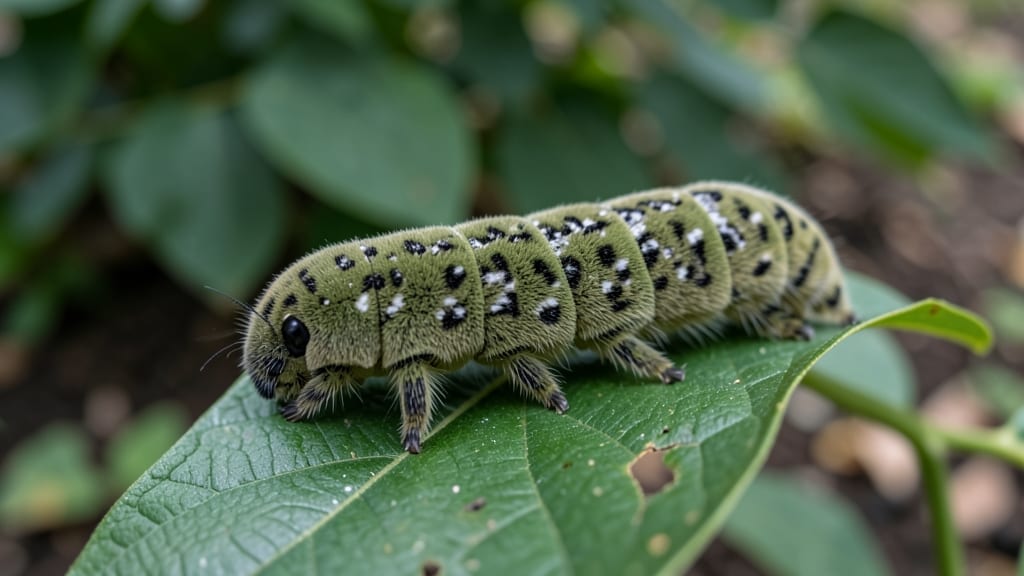
Those fuzzy green caterpillars munching your catalpa leaves aren't just ugly—they can strip a tree bare in weeks. 🌿 The catalpa sphinx moth caterpillar (Cercopia catalpae) turns beautiful foliage into skeleton leaves, but you don't need harsh chemicals to stop them.
I've battled these pests for years and found solutions that protect your tree and the local ecosystem.
Here's the thing—these caterpillars are actually nature's snack for birds and parasitic wasps. The real issue is balance: too many caterpillars mean your tree gets stressed, but spraying kills the good guys too. Instead, we'll focus on targeted control that keeps your catalpa healthy without wiping out beneficial insects.
By the end, you'll know exactly how to monitor infestations, when to intervene, and which organic methods actually work. You'll see fewer caterpillars and more birds and butterflies visiting your yard—because a healthy tree supports the whole neighborhood's wildlife.
This works for both young trees and mature specimens, whether you're dealing with a first-time infestation or an annual battle. Let's get your catalpa back to its full, lush glory without sacrificing the garden's balance.
Natural Attractions Drawing Them In
The presence of catalpa tree caterpillars (often called catalpa worms) isn’t random—it’s a response to the tree’s unique ecology and the caterpillars’ survival instincts. Understanding why these striped, fuzzy larvae target catalpa trees helps you address the issue naturally. Here’s why they show up in your yard.
The primary reason these caterpillars invade catalpa trees is simple: they love them. Catalpa trees (Catalpa spp.) produce large, heart-shaped leaves rich in nutrients like nitrogen, which are ideal for the rapid growth of Cercopia catalpae caterpillars.
These larvae are highly specialized and have evolved to thrive almost exclusively on catalpa foliage.
Key factors that make catalpa trees irresistible:
- Leaf chemistry: Catalpa leaves contain compounds that deter many pests but not catalpa caterpillars. Their digestive systems are adapted to break down these chemicals efficiently.
- High protein content: Young catalpa leaves are packed with proteins, which fuel the caterpillars’ growth during their short 4–6 week lifespan.
- Abundant foliage: Mature catalpa trees produce dense canopies, providing ample food and shelter for larvae.
Actionable insight: If you’re growing catalpa trees, expect caterpillar visits—it’s part of the tree’s natural cycle. The good news? These caterpillars rarely kill healthy trees, and they’re a food source for birds and other wildlife.
Catalpa caterpillars don’t appear at random—they follow a predictable seasonal pattern tied to the tree’s growth. Here’s how their life cycle syncs up with catalpa trees:
| Stage | Timing | Why It Matters |
|---|---|---|
| Egg Laying | Late spring (May–June) | Female moths lay eggs on catalpa leaves just as new growth emerges, ensuring fresh food for hatchlings. |
| Larval Phase | Summer (June–August) | Caterpillars feed voraciously during peak leaf production, maximizing growth before pupating. |
| Pupation | Late summer (August–September) | Larvae burrow into soil to pupate, timing it with cooler temperatures to survive winter. |
Actionable insight: Monitor your catalpa tree in late spring for egg clusters (small, green, football-shaped masses). Early detection lets you intervene before caterpillars cause significant damage.
Catalpa caterpillars thrive in warm, humid climates, particularly in the southeastern and central United States, where catalpa trees are native. Their presence is influenced by:
- Temperature: Caterpillars are most active when daytime temperatures exceed 70°F (21°C). Cooler climates may see delayed or reduced infestations.
- Rainfall: Moderate moisture supports catalpa tree health, which in turn attracts more caterpillars. Drought-stressed trees may see fewer visitors, but their leaves can become tougher and less palatable.
- Urbanization: In cities, catalpa trees planted as shade trees provide ideal habitats. The lack of natural predators (due to pesticide use or habitat fragmentation) can exacerbate outbreaks.
Actionable insight: If you live in a drier region, water your catalpa tree consistently to maintain leaf tenderness—this can deter caterpillars slightly. In humid areas, focus on natural predator support (like birds) to keep populations in check.
While catalpa caterpillars have many natural enemies, human activity can disrupt this balance. Common predators include:
- Birds (e.g., robins, starlings, woodpeckers)
- Parasitic wasps (lay eggs inside caterpillars)
- Spiders and predatory beetles
However, if your yard lacks these predators—due to pesticide use, habitat loss, or over-manicured landscapes—caterpillar populations can spiral out of control. Additionally, young or isolated catalpa trees may be more vulnerable because they lack the predator diversity of mature, interconnected ecosystems.
Actionable insight: Create a predator-friendly zone around your catalpa tree by:
- Installing birdhouses or nest boxes.
- Avoiding broad-spectrum pesticides that kill beneficial insects.
- Adding native plants that attract parasitic wasps (e.g., milkweed, dill, or fennel).
Natural Ways to Control Tree Munchers
When those fuzzy, striped caterpillars start stripping your catalpa tree bare, panic isn’t the answer—action is! 🌿🐛 The good news? You can tackle these pests without resorting to harsh chemicals.
Below, we’ve mapped out practical, eco-friendly solutions tailored to the root causes of infestations, plus tips to keep your tree thriving long-term.
Cause: Small infestations or new sightings. Fix:
- 👨🍳 Grab and go: Wear gloves and pluck caterpillars off leaves by hand. Drop them into a bucket of soapy water (1 tbsp dish soap per gallon) to kill them instantly.
- 🕰️ Timing matters: Do this in the early morning when caterpillars are sluggish and easier to spot.
- 🌡️ Pro tip: Check the undersides of leaves—they’re a favorite hiding spot!
Prevention:
- Inspect your tree weekly during peak caterpillar season (late spring to summer).
- Shake branches over a tarp to dislodge eggs or larvae before they hatch.
Cause: Large clusters of caterpillars defoliating the tree. Fix: Use homemade or commercial organic sprays that disrupt feeding without harming beneficial insects:
| Solution | How to Use | Best For |
|---|---|---|
| Neem Oil Spray | Mix 2 tbsp neem oil + 1 tsp mild soap in 1 quart water. Spray evenly on leaves (top and bottom). | All life stages (eggs, larvae, adults) |
| Bacillus thuringiensis (Bt) | Sprinkle or spray Bt powder/wetable on leaves when caterpillars are small. | Young larvae (avoid once they pupate) |
| Spinosad (OMRI-listed) | Dilute 1.6 oz per gallon water. Apply at dusk to avoid harming bees. | Heavy infestations (follow label) |
| Garlic/Chili Pepper Spray | Blend 5 garlic cloves + 1 tbsp cayenne + 1 quart water. Strain and spray. | Deters feeding (reapply after rain) |
✨ Pro tip: Spray early in the morning or late evening to avoid harming pollinators. Reapply after rain or every 7–10 days.
Cause: Overpopulation due to lack of predators. Fix: Invite caterpillar hunters to your garden:
- 🐦 Bird feeders: Attract robins, blue jays, and chickadees—they love munching on catalpa caterpillars.
- 🐝 Ladybugs & lacewings: Plant dill, fennel, or marigolds to attract these beneficial insects.
- 🦎 Praying mantises: Leave tall grasses or brush piles near your tree for them to hunt.
Prevention:
- Avoid broad-spectrum pesticides (even organic ones) that kill predator insects.
- Mulch around the base of your tree to support a healthy ecosystem.
Cause: Heavy defoliation or repeated infestations. Fix:
- 🌳 Trim affected branches: Remove and dispose of heavily infested leaves/branches in sealed bags (not compost).
- 🧼 Sanitize tools: Wipe pruners with rubbing alcohol between cuts to prevent spreading eggs.
- 💡 Pro tip: If >50% of leaves are lost, consider light pruning to reduce stress on the tree—it’ll regrow faster!
Prevention:
- Thin out dense foliage in early spring to improve airflow and deter egg-laying.
- Water deeply during dry spells—healthy trees resist pests better!
- 📅 Monitor: Check trees weekly in spring/summer.
- 🌱 Plant companions: Interplant with herbs like basil or rosemary—their scents deter caterpillars.
- 🌧️ Rainy season prep: Caterpillars thrive in wet conditions; ensure good drainage around your tree.
- 🚫 Avoid over-fertilizing: Too much nitrogen attracts pests—use balanced, organic fertilizer instead.
By combining manual removal, organic sprays, and ecosystem support, you can protect your catalpa tree without chemicals. 🌳💚 Start with the method that fits your infestation level, and soon your tree will be back to its lush, pest-free glory!
Frequently asked questions
Are catalpa tree caterpillars harmful to humans or pets?
No, these caterpillars are completely harmless to humans and pets. While they may look intimidating with their fuzzy spines, they can't sting or bite. The spines are actually a defense mechanism against predators, not people. You can safely handle them with gloves if needed for removal.
How do I tell if my catalpa tree has caterpillar eggs?
Look for small, green, football-shaped egg masses on the undersides of leaves in late spring. These clusters are about 1/4-inch long and contain dozens of tiny eggs. Check new growth first, as female moths prefer to lay eggs on tender young leaves.
Will removing caterpillars hurt my tree?
Not at all—removing caterpillars actually helps your tree! While they can defoliate trees, healthy catalpa trees can handle some leaf loss and will regrow foliage quickly. Removing them prevents stress on the tree and maintains its overall health, especially for young or weak specimens.
Can I use dish soap to kill catalpa caterpillars?
Yes, but use it carefully! Mix 1 tablespoon of mild dish soap per gallon of water and spray directly on caterpillars. This breaks down their protective coating and dehydrates them. Avoid spraying beneficial insects by applying in the evening when pollinators are less active.
How long does it take for organic sprays to work?
Most organic sprays like neem oil or Bt take 24-48 hours to show effects. For best results, apply when caterpillars are small (before they reach 1-inch long) and reapply every 7-10 days or after rain. Consistency is key—don't expect overnight results with natural solutions.