
Trees
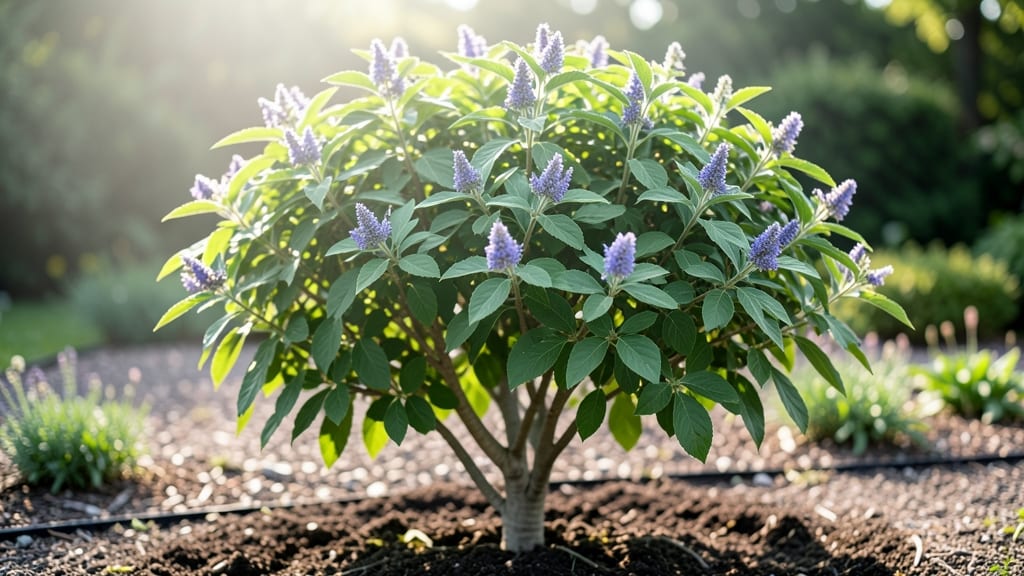
Chaste tree hardiness zones run from 5 through 9, where mature specimens endure down to -20°F (-29°C), though young trees benefit from winter protection. Proper soil drainage and mulching are critical for cold survival.
The chaste tree's cold tolerance comes from its woody stems and deep root systems that store moisture, allowing it to withstand harsh winters better than many ornamental shrubs. 🌿 Unlike delicate perennials, its growth habit—with sturdy branches—helps it recover quickly after frost.
Gardeners in zones 4 or 10 can still grow chaste trees by using mulch blankets in winter or moving potted specimens indoors during freezes.
What sets chaste trees apart is their ability to bounce back even after severe cold snaps. Their drought-resistant nature means they handle both winter dryness and spring thaws with ease. For best results, plant in well-draining soil and avoid waterlogging, which can stress roots during freeze-thaw cycles.
💡 In This Article
- Chaste Tree Cold Resistance: Science Behind Its Winter Survival
- Protecting Chaste Trees in Marginal Hardiness Zones
Chaste tree cold resistance: science behind its winter survival
The chaste tree's remarkable cold hardiness stems from its woody stem structure, which contains specialized cells that produce antifreeze proteins. These proteins—similar to those in winter wheat—prevent ice crystals from forming within plant tissues, allowing the tree to survive temperatures as low as -20°F (-29°C).
This adaptation is more advanced than in lilacs (zone 3-7) or butterfly bushes (zone 5-9), which rely more on bud protection than systemic cold resistance.
The tree's deep taproot system (reaching 3-5 feet) stores water and nutrients year-round, creating a survival buffer during winter dormancy. Unlike shallow-rooted perennials, this root structure prevents desiccation even when soil moisture freezes.
Studies show chaste trees maintain 60-70% root viability through winter, while many ornamental shrubs drop below 40% in harsh conditions.
Another key factor is the tree's drought tolerance, which actually enhances cold survival. When soil moisture freezes, the tree's ability to conserve water prevents cellular damage. This is why chaste trees often outperform butterfly bushes in dry climates—even when both face similar winter temperatures.
The tree's leathery leaves also reduce moisture loss during winter, though they do drop before frost arrives.
Comparing chaste trees to other hardy perennials reveals their unique advantage: while lilacs protect themselves through thick bark and layered buds, chaste trees combine structural resilience with physiological cold resistance.
Their ability to regrow from the root crown after severe damage (even down to -15°F (-26°C) for established plants) makes them more reliable than many zone 5-6 shrubs that require annual pruning to prevent dieback.
What most gardeners overlook is how soil composition affects cold survival. Chaste trees perform best in well-draining, slightly alkaline soils (pH 7.0-8.0), where excess moisture doesn't freeze and expand around roots.
In heavy clay soils (common in zones 4-5), winter waterlogging can reduce hardiness by 2-3 zones, making proper site selection critical for marginal climates.
The tree's late spring growth pattern also plays a role—new shoots emerge after the last frost in most zones, avoiding early spring frosts that damage lilacs and other early bloomers. This timing advantage means chaste trees can safely grow in zone 4b with proper winter protection, where lilacs often struggle.