
Pests and Diseases
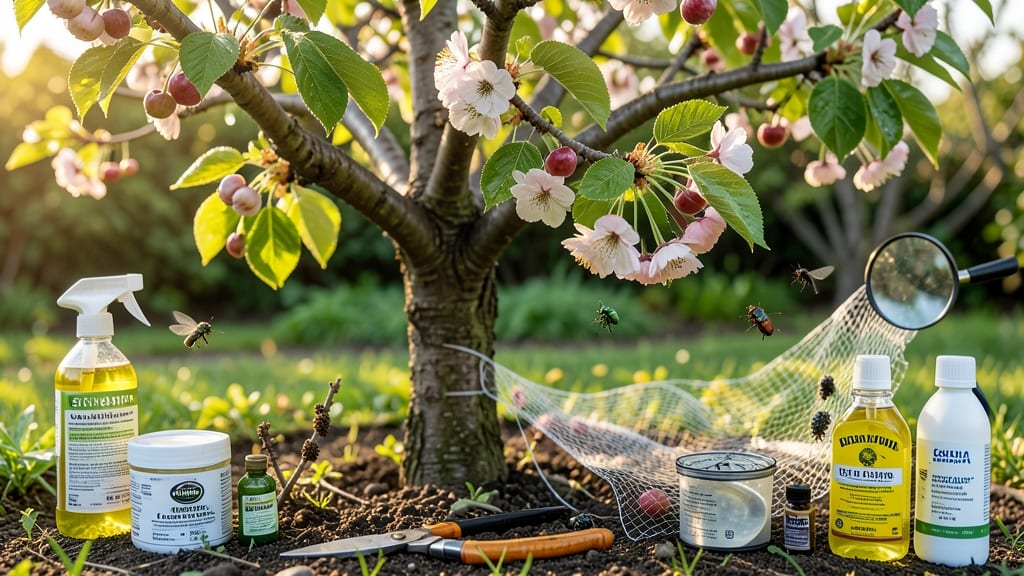
Your cherry tree’s glossy leaves are turning sticky, and those tiny black specks on the bark aren’t just dirt—they’re a sign of an aphid or borer invasion. 🌿 Organic pest control isn’t just about saving your tree; it’s about restoring that crisp, sweet scent of ripe cherries without harsh chemicals clinging to every branch.
Most problems start with weak trees—stressed by drought, poor soil, or last year’s neglect. I’ve seen borers chew through a trunk in just weeks if the tree’s defenses are down. The good news? A few targeted sprays, proper pruning, and consistent monitoring can turn things around before your harvest disappears.
By mixing neem oil, insecticidal soap, and kaolin clay, you’ll create a shield that confuses pests while nourishing your tree. Within 2-3 weeks, you’ll notice fewer chewed leaves, fewer sticky trails, and—most importantly—cherries that stay blemish-free until they’re ready to pick.
This works for both sweet and tart cherries, whether your tree is young or established. The secret? Staying one step ahead of pests all season long—no more last-minute panic when you spot the first signs of trouble.
Root Causes Of Cherry Tree Pests
Cherry trees are a prized addition to any garden or orchard, but they’re also a magnet for pests due to their sweet nectar, tender leaves, and vulnerable fruit. Understanding why these pests target your tree is the first step in stopping them before they cause damage.
Below, we break down the key reasons—from environmental factors to tree health—so you can address the source of the problem.
Healthy cherry trees have natural defenses—thick bark, resilient leaves, and chemical signals that repel pests. But when a tree is stressed, it becomes an easy target. Here’s what weakens their resistance:
- Poor Nutrition: A lack of essential nutrients (like nitrogen, potassium, or micronutrients) makes trees more susceptible to borers, aphids, and fungal pests. Example: Yellowing leaves or stunted growth often signal nitrogen deficiency, inviting pests like cherry fruit flies.
- Water Stress: Overwatering or drought weakens cell walls, making trees vulnerable to spotted wing drosophila (a fruit-infesting fly) and Japanese beetles. Pro tip: Mulch around the base to retain moisture and reduce stress.
- Physical Damage: Cracks in bark (from hail, pruning cuts, or disease) create entry points for borers and fungal infections. Even minor wounds can become gateways for pests.
💡 Actionable Fix: Conduct a soil test to check nutrient levels and adjust fertilization. Prune properly (using clean tools and sealing wounds with pruning paste) to minimize damage.
Cherry trees produce high-sugar fruits and fragrant flowers, which act like a neon sign for pests. Here’s why they’re so appealing:
| Pest Type | Why They’re Drawn In | Common Culprits |
|---|---|---|
| Sap-Suckers | Cherry leaves and stems contain phloem sap, a sugary liquid pests crave for energy. | Aphids, scale insects, mites |
| Fruit Feeders | Ripe cherries are packed with sugars and thin-skinned, making them easy to penetrate. | Cherry fruit flies, codling moths, birds (like starlings) |
| Wood Borers | Decaying or stressed wood emits volatile organic compounds (VOCs) that attract borers seeking to lay eggs. | Peach tree borers, flatheaded apple tree borers |
🎯 Prevention Tip: Harvest overripe fruit promptly to remove food sources. For sap-suckers, hose them off with a strong water spray (10 psi) to disrupt their feeding.
Pests thrive in dense, unmanaged environments. When cherry trees are planted too closely together—or near other host plants—they create a perfect pest highway. Here’s how it happens:
- Shared Host Plants: Pests like Japanese beetles or spotted lanternflies jump from nearby trees (e.g., plums, apples) to cherries. Example: A single infested rose bush can attract aphids that later migrate to your cherry tree.
- Poor Airflow: Tightly packed trees retain moisture, creating humid conditions that fungal pests (like powdery mildew) and soft-bodied insects (like mealybugs) love.
- Debris Buildup: Fallen leaves, fruit, and wood piles provide hiding spots and breeding grounds for pests. Case in point: Codling moths overwinter in leaf litter.
🔥 Solution: Space trees 15–20 feet apart for airflow and remove fallen debris within 100 feet of your tree. Prune to open the canopy and reduce humidity.
Pests don’t attack randomly—they follow weather patterns and seasonal cues. Cherry trees are especially vulnerable during:
- Spring Blooms: Japanese beetles emerge when temperatures hit 60°F+, drawn to cherry blossoms. Timing: Peak activity is 2–4 weeks after petal fall.
- Summer Heatwaves: Drought-stressed trees attract spotted wing drosophila, which thrive in 75–85°F conditions. Sign: Small, irregular holes in fruit.
- Fall Leaf Drop: Borers and scale insects lay eggs in bark crevices as temperatures cool, preparing for winter.
✨ Proactive Strategy: Monitor degree-day accumulators (a tool gardeners use to predict pest emergence) and apply preventative sprays (like neem oil or kaolin clay) before pests appear.
By tackling these root causes—tree health, attractiveness, ecosystem density, and timing—you’ll disrupt the cycle that invites pests. The next step? Explore organic sprays tailored to your cherry tree’s specific threats.
Fixing Common Cherry Tree Pests
Pests can turn your cherished cherry tree into a battleground, but with the right strategies, you can reclaim its health—naturally and effectively. Below, we’ve mapped out practical, organic solutions for the most troublesome invaders, paired with proactive prevention tips to keep your tree thriving long-term. No harsh chemicals required!
Signs: Sticky residue (honeydew), curled leaves, or clusters of tiny green/black bugs on new growth.
How to Treat It:
- Blast Them Away 💦
- Use a strong stream of water from your hose to dislodge aphids from leaves and stems. Repeat every 3–4 days until they vanish.
- Neem Oil Spray 🌿
- Mix 1 tbsp neem oil + 1 tsp mild soap + 1 quart water. Spray early morning or late evening to avoid harming bees. Reapply weekly until aphids are gone.
- Introduce Beneficial Insects 🐞
- Ladybugs and lacewings love aphids. Purchase them online or attract them by planting dill, fennel, or marigolds nearby.
Prevention Tips:
- 💡 Prune regularly to improve airflow and remove infested branches.
- 🌡️ Monitor temps—aphids thrive in warm, humid conditions. Use shade cloth if needed.
- ✨ Plant garlic or chives under the tree; their scent repels aphids.
Signs: Skeletonized leaves, chewed flowers, and iridescent green beetles feasting in groups.
How to Treat It:
- Handpick & Drown 👨🍳
- Fill a bucket with soapy water and pluck beetles off leaves (wear gloves!). Do this in the early morning when they’re sluggish.
- Kaolin Clay Barrier 🏗️
- Sprinkle food-grade diatomaceous earth or apply kaolin clay spray (like Surround WP) to coat leaves. Beetles avoid the gritty texture.
- Milky Spore Treatment 🌱
- For long-term control, apply milky spore powder to the soil. It targets beetle grubs underground, reducing future populations.
Prevention Tips:
- 🎯 Trap early with Japanese beetle traps (place them away from the tree to avoid attracting more).
- 🌿 Plant trap crops like roses or grapes to lure beetles away from cherries.
- ⏰ Water deeply in the evening to encourage beetles to hide and reduce daytime feeding.
Signs: Tiny holes in fruit, larvae inside cherries, and adults buzzing near the tree.
How to Treat It:
- Protein Bait Trap 🍖
- Hang red spheres coated in yeast + water near the tree. The flies are attracted but get stuck—dispose of them daily.
- Spinosad Spray 🍄
- Use an organic spinosad-based spray (like Captain Jack’s) every 7–10 days during peak fly season (late spring to summer).
- Remove Dropping Fruit 🍒
- Pick up all fallen cherries from the ground and dispose of them in sealed bags (flies lay eggs in decaying fruit).
Prevention Tips:
- 🔥 Prune in winter to thin the canopy and improve airflow, making it harder for flies to hide.
- 🌡️ Use row covers over young trees in early spring to block adult flies.
- ✨ Plant basil or mint nearby—their scent deters fruit flies.
Signs: White, powdery patches on leaves, stunted growth, and weakened fruit production.
How to Treat It:
- Baking Soda Spray 🧂
- Mix 1 tbsp baking soda + 1 tsp soap + 1 gallon water. Spray leaves under and over every 7–10 days until symptoms fade.
- Copper Fungicide 🛡️
- Apply an organic copper fungicide (like Copper Soap) at the first sign of mildew. Follow label instructions carefully.
- Improve Airflow 🌬️
- Thin out dense branches and water at the base (not overhead) to keep leaves dry.
Prevention Tips:
- 💡 Space trees properly (15–20 ft apart) for better air circulation.
- 🌿 Mulch with straw (not wood chips) to retain moisture without promoting fungal growth.
- ⏰ Avoid late-season nitrogen—too much encourages lush, mildew-prone growth.
Final Pro Tip: 🌟 Rotate your treatments—pests and diseases build resistance! Alternate between neem oil, spinosad, and baking soda to stay ahead of the game.
With these targeted, eco-friendly fixes, your cherry tree will bounce back stronger—and you’ll enjoy bountiful harvests for years to come! 🍒🌿
Frequently asked questions
What’s the first sign my cherry tree has pests?
Look for sticky residue on leaves (honeydew from aphids), tiny holes in fruit (fruit flies), or chewed edges on blossoms (Japanese beetles). Early detection means quicker fixes—check leaves and bark every 7–10 days during growing season.
Can I use the same spray for all cherry tree pests?
No—different pests need different treatments. Neem oil works for aphids and mites, while spinosad targets fruit flies. For broad protection, rotate sprays (e.g., neem oil in spring, kaolin clay in summer) to prevent resistance.
How often should I prune to prevent pests?
Prune once a year in late winter to remove dead branches and improve airflow. Thin the canopy to reduce humidity, which deters fungal pests like powdery mildew. Always sterilize tools with rubbing alcohol between cuts.
Will chemical pesticides work faster than organic sprays?
Chemicals like carbaryl kill pests quickly, but they harm beneficial insects and leave residues. Organic sprays (neem oil, spinosad) take 2–3 weeks to work but protect pollinators and soil health. For severe infestations, use chemicals as a last resort.
Can I save my tree if borers have already damaged the trunk?
Early-stage borer damage (small holes, sawdust-like frass) can be treated with borer traps or injecting systemic insecticide into the trunk. If the tree is already hollow or oozing sap, it’s likely beyond saving—focus on preventing spread to other trees.