
Pruning
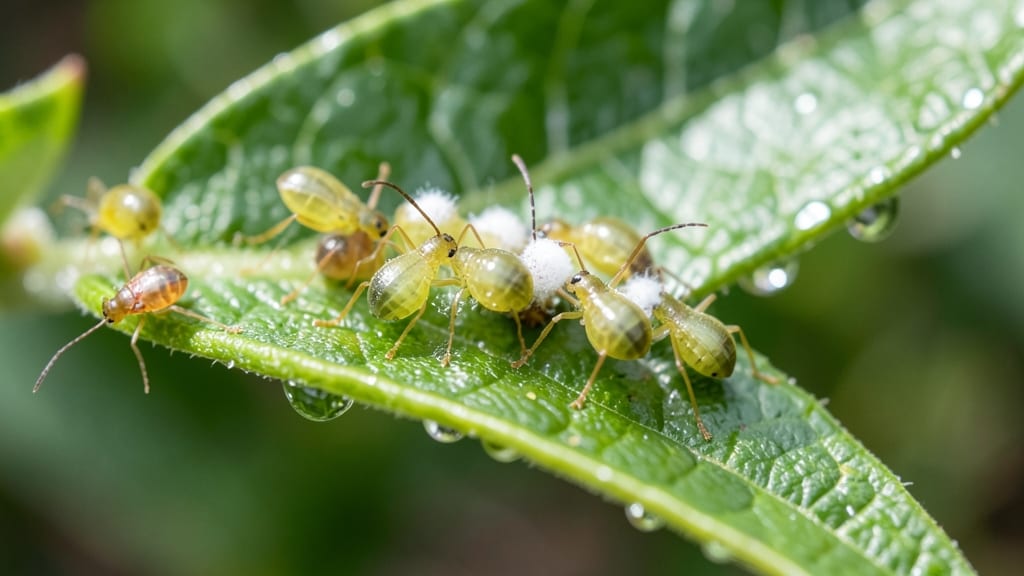
Tiny tree bugs like spider mites and scale insects can turn lush foliage into a sad, speckled mess—but catching them early keeps your trees healthy. ✨ I’ve seen entire oaks weakened by these pests, but organic control works if you act fast.
These bugs multiply quickly, so early identification is your best defense. The damage starts small: yellowing leaves, sticky residue, or tiny webs on branches. Left unchecked, they weaken trees over time, making them vulnerable to disease.
The good news? Natural predators like ladybugs and lacewings often handle small infestations—no harsh chemicals needed. You’ll spot improvement within 2-3 weeks of treatment if you use the right methods. A strong spray of water or neem oil disrupts their life cycle, while introducing beneficial insects restores balance.
Prevention is easier than cleanup—regular tree checks save hours of work later. Works for all tree types, from shade oaks to fruit-bearing citrus. Let’s tackle this before the bugs take over!
Root Causes Behind Tiny Tree Invaders
Tiny tree bugs—often called sap-sucking insects, bark beetles, or leaf miners—don’t just appear out of nowhere. Their presence is usually a response to specific environmental or plant health triggers. Understanding these causes helps you address the problem at its source rather than just treating symptoms.
Let’s break down the most common reasons these pests show up in your trees.
Healthy trees naturally repel pests with strong bark, robust foliage, and chemical defenses. When trees are stressed, they become prime targets for tiny invaders. Here’s why:
- Nutrient Deficiencies: Trees lacking essential nutrients (like nitrogen, potassium, or magnesium) produce weak leaves and bark. Example: Yellowing leaves signal nitrogen deficiency, making trees more attractive to aphids or spider mites.
- Drought Stress: Prolonged dry spells force trees to divert energy to survival, leaving them vulnerable. Science note: Studies show drought-stressed oaks are 3x more likely to attract bark beetles.
- Root Damage: Compacted soil, construction injuries, or fungal infections (like Armillaria) disrupt root systems, weakening the tree’s immune response.
Actionable fix: Test soil pH and nutrient levels, water deeply during droughts, and mulch to protect roots. A healthy tree is the best pest deterrent!
Tiny bugs thrive in environments where they can hide, feed, and reproduce undisturbed. Overgrown or damaged foliage creates the perfect hiding spots:
- Leaf Miners: These larvae burrow into leaves, creating visible tunnels. They target trees with soft, new growth (like willows or fruit trees) where leaves are tender and easy to penetrate.
- Scale Insects: They attach to undersides of leaves or bark, protected by a waxy coating. Overwatering or high humidity encourages their spread by keeping leaves damp.
- Fungal or Bacterial Infections: Damaged leaves (from hail, pests, or disease) release sugars that attract sap-sucking bugs like mealybugs or whiteflies.
Actionable fix: Prune to improve airflow, remove heavily infested leaves, and apply neem oil (a natural repellent) to deter egg-laying.
Tiny tree bugs are highly sensitive to temperature, humidity, and seasonal changes. Climate fluctuations can disrupt natural predator-prey balances, leading to outbreaks:
| Season | Bug Activity | Why It Happens |
|---|---|---|
| Spring | Aphids, scale, and mites | Warmth triggers rapid reproduction. New leaves are nutrient-rich, attracting sap-suckers. |
| Summer | Bark beetles, leaf miners | Drought stress weakens trees, and high temps speed up larval development. |
| Fall | Overwintering eggs (e.g., spider mites) | Cooler temps slow predators, giving bugs a survival advantage. |
Actionable fix: Monitor trees during transitions (e.g., after rain or heatwaves). Use beneficial nematodes in soil to target larval stages.
Even well-meaning gardening practices can inadvertently invite tiny tree bugs. Here’s how:
- Overuse of Broad-Spectrum Pesticides: These kill beneficial insects (like ladybugs or lacewings) that prey on pests, creating a vacuum effect where bugs multiply unchecked.
- Improper Pruning: Cutting too late in the season or leaving stubs creates entry points for bark beetles or borers.
- Firewood or Nursery Stock: Moving infested wood or plants can introduce bugs to new areas. Example: Emerald ash borers spread via untreated firewood.
Actionable fix: Use targeted organic sprays (e.g., horticultural oil), prune in late winter, and quarantine new plants for 2 weeks.
Some tree species are naturally more attractive to tiny bugs due to their biology. For example:
- Willows and Poplars: Fast-growing, soft bark makes them ideal for bark beetles and borers.
- Fruit Trees (e.g., apples, cherries): Sweet sap draws aphids and scale insects.
- Conifers (e.g., pines, spruces): Resin-producing trees can attract bark beetles if stressed.
Actionable fix: Choose pest-resistant varieties (e.g., dwarf apple trees) and rotate crops if growing edibles.
Effective pest control strategies
Tiny tree bugs—whether they’re sap-sucking aphids, leaf-munching caterpillars, or bark-boring beetles—can turn your lush foliage into a chewed-up mess. The good news? You don’t need harsh chemicals to fight back.
With a mix of organic solutions and preventive care, you can restore your trees’ health and keep pests at bay. Below, we break down targeted fixes based on the most common causes of infestations, plus pro tips to stop future outbreaks before they start.
Before treating, confirm what’s attacking your tree.
Use a hand lens or magnifying glass to inspect: - Holes in leaves? Likely caterpillars or leaf miners. - Sticky residue (honeydew) on leaves? Aphids or scale insects. - Sawdust-like frass near bark? Borers or bark beetles. - Yellowing leaves + tiny black bugs? Spider mites or psyllids.
Pro tip: 🔍 Snap a photo and compare it to [local pest databases](https://www.unh.edu/extension/resources) for a quick ID.
🍃 Sap-suckers (aphids, scale, mealybugs)
Cause: These bugs pierce leaves/stems to drink sap, leaving behind sticky honeydew that attracts sooty mold. Fix:
- Blast them off 💦 with a strong spray of water (use a hose nozzle on "jet" setting) to dislodge clusters.
- Neem oil spray 🌿 (1 tsp neem oil + 1 tsp mild soap + 1 quart water).
Spray early morning/late evening to avoid harming bees. - Introduce predators 🐞: Ladybugs, lacewings, and parasitic wasps (buy them online or attract them with dill or fennel plants nearby). - Prune heavily infested branches ✂️ and dispose of them in a sealed bag (not compost).
Prevention: ✨ Encourage beneficial insects by planting marigolds, alyssum, or yarrow near trees. 🌡️ Water deeply but less often—stressed trees are aphid magnets.
🍃 Leaf chewers (caterpillars, beetles, sawflies)
Cause: These pests devour foliage, leaving skeletonized leaves or notched edges. Fix:
- Handpick larvae 👨🍳 (wear gloves!) and drop them into soapy water.
- Bacillus thuringiensis (Bt) 💊—a natural bacterial spray that’s safe for humans but deadly to caterpillars.
Reapply after rain. - Diatomaceous earth (DE) 🏖️ (food-grade only): Sprinkle lightly on leaves (avoid windy days). Reapply after watering. - Row covers 🛡️ for young trees: Lightweight fabric keeps pests out while allowing sunlight.
Prevention: 🎯 Remove fallen leaves/debris where larvae hide over winter. 💡 Plant pest-resistant varieties (e.g., ‘Elm Alliance’ elm trees for Dutch elm beetle resistance).
🍃 Bark borers & beetles (emerald ash borer, bark beetles)
Cause: These wood-boring pests tunnel under bark, weakening structural integrity and killing trees over time. Fix:
- Prune infested branches ⚔️ 2–3 feet below visible damage (borers may be hidden).
- Apply beneficial nematodes 🐛 (Heterorhabditis bacteriophora): Water trees with a nematode solution (available at garden centers) to target larvae in the soil.
- Tree banding 🛡️: Wrap sticky traps or tree tape around the trunk in early spring to catch emerging adults.
- Encourage woodpeckers 🦉—they naturally feed on borers!
Install a woodpecker-friendly feeder or leave deadwood for them.
Prevention: ✨ Keep trees healthy with proper watering and mulching—stressed trees attract borers. 🔥 Inspect firewood before bringing it home (many borers hitchhike on logs).
Even with pests under control, strong trees resist reinfestation.
Try these year-round habits: - Mulch properly 🌿: Apply 2–4 inches of organic mulch (wood chips, bark) 3 inches away from the trunk to retain moisture and deter pests. - Water deeply 💧: 1–2 inches per week (more in drought). Drip irrigation keeps foliage dry, reducing fungal issues. - Fertilize smartly 🌱: Use a slow-release organic fertilizer (like compost or fish emulsion) in early spring to avoid overfeeding (which attracts pests). - Monitor regularly 👀: Check new growth, undersides of leaves, and bark crevices every 2 weeks during peak pest seasons (spring/fall).
If you spot:
- Large-scale dieback (more than 25% of the canopy affected).
- Oozing sap or fungal growth (signs of advanced borer damage).
- Pests you can’t ID (some, like gypsy moths, require professional treatment).
A certified arborist can assess the damage and recommend targeted organic treatments (e.g., systemic neem oil injections for severe cases).
Final Thought: 🌟 Tiny tree bugs may seem like a small problem, but early action saves your trees. Start with identification, apply organic fixes, and boost tree resilience—your foliage will thank you!
Frequently asked questions
What are the most common types of tiny tree bugs I should watch for?
Look for aphids (tiny green/black clusters), scale insects (brown bumps on stems), spider mites (tiny webs on undersides of leaves), and leaf miners (wavy trails inside leaves). Bark beetles leave sawdust-like frass near cracks in the bark.
How do I tell if tiny bugs are harming my tree?
Check for yellowing leaves, sticky honeydew (aphid residue), visible tunnels in leaves (leaf miners), or sap oozing from bark (borers). If you see more than 25% of leaves damaged, act quickly—these pests spread fast!
Can I use neem oil on all types of tiny tree bugs?
Neem oil works well against sap-suckers (aphids, scale, mites) but is less effective on leaf chewers (caterpillars) or borers. For caterpillars, use Bacillus thuringiensis (Bt), and for borers, try beneficial nematodes in the soil. Always test on a small area first!
Are there natural predators that can help control tiny tree bugs?
Ladybugs eat aphids, lacewings target mites, and parasitic wasps attack caterpillars. Plant dill, fennel, or marigolds near your trees to attract these helpful insects naturally.
When should I call a professional for tiny tree bugs?
Consult an arborist if you see large-scale dieback, oozing sap (signs of borers), or if the bugs are unknown species (like emerald ash borers). Severe infestations may require systemic treatments or tree removal. Don’t wait until the tree is dying!