
Flowers
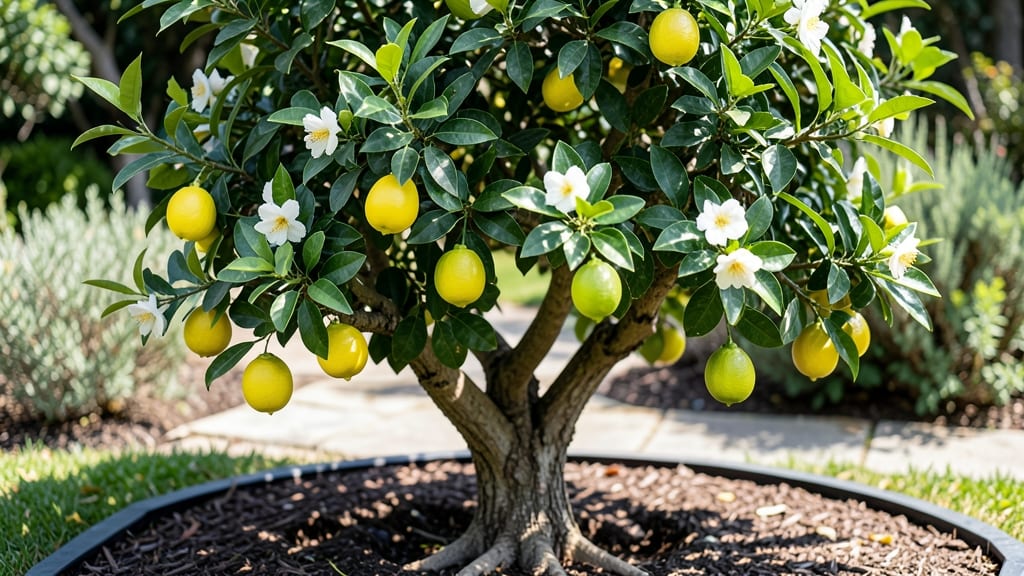
Your citrus tree's fragrant blooms start with a few key adjustments. 🌸 The secret to abundant flowers lies in mimicking the Mediterranean climate they thrive in—bright light, well-draining soil, and just the right amount of water.
I’ve turned my Meyer lemon tree into a fragrant springtime showpiece using these same principles, and you can too. The biggest mistake? Overwatering or using heavy soil that drowns roots. Citrus trees need 6-8 hours of direct sun daily and soil that drains quickly—think sandy loam with added perlite.
Prune in late winter to remove dead wood and open the canopy for better airflow, which triggers more flowering. By summer’s end, you’ll see clusters of delicate white or pink blossoms that perfume the air for weeks.
The key is consistency: balanced fertilization in spring and fall, plus a little winter chill (if you’re in cooler zones) to break dormancy. Works for lemons, oranges, limes, and even dwarf varieties in containers. Here’s how to make it happen—no green thumb required!
📚 In This Guide
- What you need
- Instructions
- Tips and common mistakes
- Wrapping up and next steps
What you need
- ● Citrus tree: Choose a variety like Meyer lemon, Calamondin orange, or Kumquat (dwarf or full-size, based on space). Pro tip: 💡 Start with a 1–2-year-old sapling for faster blooms!
- ● Well-draining potting mix: 5–10 gallons (for containers) or amend garden soil with perlite/vermiculite (20–30% mix). Critical: Citrus hates soggy roots!
- ● Pot (if container-growing): 15–25 gallon (minimum) with drainage holes. Terracotta or fiberglass works best.
- ● Fertilizer: Citrus-specific granular or liquid fertilizer (e.g., Espoma Citrus-Tone). Use at half-strength for young trees.
- ● Watering can or hose: With a gentle spray nozzle to avoid disturbing soil.
- ● Pruning shears: Bypass-type (sterilized with rubbing alcohol) for shaping and deadheading.
- ● Mulch: Organic (e.g., pine bark or straw) to retain moisture and regulate soil temp.
- ● Sunlight access: 6+ hours of full sun daily (south-facing window or outdoor spot).
- ● pH test kit: Ensure soil pH is 6.0–7.0 (citrus thrives in slightly acidic soil). Adjust with lime or sulfur if needed.
- ● Slow-release fertilizer spikes: For low-maintenance nutrition (apply every 3–4 months).
- ● Humidity tray: Place a pebble tray under the pot to boost humidity in dry climates.
- ● Citrus food spray: Foliar feed (e.g., fish emulsion) for a quick nutrient boost during bloom season.
- ● Support stake: For young trees (if needed) to prevent toppling in windy areas.
- ● Gloves: Nitrile or gardening gloves to protect from thorns.
- ○ Citrus companion plants: Optional but helpful! Try marigolds (pest-repellent) or basil (enhances fragrance).
Step-by-step guide to encouraging citrus tree flowers
Here's the straightforward method I use to coax fragrant citrus blossoms from my own trees—no fancy tricks, just proven care.
🌱 Step 1: Provide the Right Light and Temperature
Citrus trees need full sun exposure (6-8 hours daily) to bloom properly. Place your tree near a south-facing window or under a grow light if indoors. I've found that 60-85°F temperatures during the day and 50-60°F at night encourage flowering—too cool and the buds won't form.
Watch for yellowing leaves or sparse foliage—these are signs your tree isn't getting enough light. If you're in a cooler climate, bring potted citrus indoors before temperatures drop below 50°F, or the tree will focus on survival rather than flowering.
☀️ Step 2: Adjust Watering and Fertilizing for Blooming
Reduce watering slightly when you notice new growth starting—citrus trees need moderate moisture (water when top 2 inches of soil feel dry). Overwatering stresses the tree and prevents flowering. I water deeply but less frequently, letting the soil dry out between waterings to mimic natural seasonal changes.
Feed your tree with a balanced citrus fertilizer (6-6-6 or similar) every 4-6 weeks during spring and summer. The key is consistency—don't overdo it. I've seen trees bloom more heavily when fertilized regularly but not excessively. Stop fertilizing in fall and winter to let the tree rest.
🌿 Step 3: Prune and Stress the Tree Slightly
Light pruning in late winter or early spring helps encourage new growth and flowering. Remove any dead, diseased, or crossing branches using clean, sharp pruners. I aim to open up the canopy slightly so light reaches the inner branches—this is where many citrus flowers form.
Here's the thing—citrus trees respond to a little stress. In late summer, reduce water slightly and stop fertilizing for 4-6 weeks. This "dormancy trick" mimics seasonal changes and triggers flowering. You'll see tiny flower buds forming in the leaf axils (where leaves meet the stem) after this period.
⏰ Step 4: Protect Flowers for Fruit Set
Once flowers appear, protect them from frost, strong winds, and pests. Citrus blossoms are delicate and need consistent temperatures above 50°F to pollinate properly. If you're in a frost-prone area, cover young trees with frost cloth during cold snaps.
Hand-pollinate if needed by gently shaking branches to release pollen. You'll know flowers are pollinating successfully when you see tiny fruit forming within 2-3 weeks. Keep watering consistent but not heavy—this helps the fruit develop without splitting.
Tips & tricks for encouraging citrus tree flowers
Here's what nobody tells you about getting those fragrant citrus blossoms—these are the details that make all the difference.
Light Optimization: If your tree isn't getting natural sunlight, supplement with a grow light placed 6-12 inches above the canopy for 8-10 hours daily. I use a full-spectrum LED bulb that mimics sunlight—this makes a huge difference for indoor trees. Position the light so it covers the entire canopy evenly, especially the inner branches where buds form.
Stress Trick: The 4-6 week dormancy period in late summer is where the magic happens. I've found that reducing water by 30% and stopping fertilizer during this time tricks the tree into thinking winter is coming, which triggers flowering. Think of it like putting your tree to bed—it wakes up ready to bloom in spring.
Temperature Watch: Keep daytime temperatures between 60-85°F consistently—this is the sweet spot for flower formation. If your thermostat struggles to maintain this, consider a small space heater near the tree (safely!) during cooler months. Nighttime temps shouldn't drop below 50°F, or buds will fail to develop. I monitor my indoor trees with a small thermometer to catch any dips early.
Pruning Precision: When pruning in late winter, focus on removing branches that grow inward or cross each other—these compete for sunlight and energy. I make my cuts just above a leaf node (the bump where leaves grow) to encourage new growth from that point. Avoid heavy pruning, as this stresses the tree and can delay flowering.
Pro Tips for Citrus Tree Flowers
- Here's what nobody tells you about getting those fragrant citrus blossoms—these are the details that make all the dif...
- Light Optimization: If your tree isn't getting natural sunlight, supplement with a grow light placed 6-12 inches abov...
- Stress Trick: The 4-6 week dormancy period in late summer is where the magic happens. I've found that reducing water ...
Frequently asked questions
Got questions about nurturing those stunning citrus tree flowers? You’re not alone! Here are answers to the most common curiosities—from timing to troubleshooting—so you can enjoy fragrant blooms like a pro.
When do citrus tree flowers bloom, and how long do they last?
Citrus flowers typically bloom in spring (March–May), though timing varies by variety (e.g., lemons bloom earlier than oranges). Each flower lasts 3–7 days, but clusters stay vibrant for weeks. Cooler nights (50–60°F) trigger blooming—perfect for fragrant evenings!
Why aren’t my citrus tree flowers opening, or they’re falling off?
Flower drop is common! Causes include stress (overwatering/drought), extreme temps, or poor nutrition. Ensure your tree gets 6+ hours of sun and balanced fertilizer (high in nitrogen before blooming, phosphorus during). If flowers form but drop, check for thrips or mites—spray with neem oil if needed.
Can I force citrus flowers indoors, or do I need a tree outside?
Citrus trees thrive outdoors in USDA Zones 9–11, but dwarf varieties (like Meyer lemons) can bloom in containers on patios with winter protection. For indoor forcing, try grafted bonsai citrus—keep them near sunny windows and mimic outdoor conditions (humidity, cool nights). Patience is key: blooms may take 2–3 years!
Do citrus flowers attract pollinators, and how can I help?
Yes! Bees and butterflies love citrus flowers—their sweet fragrance draws them in. To boost pollination: Plant companion flowers (like alyssum or marigolds), avoid pesticides, and gently shake branches during blooming. Pro tip: Hand-pollinate with a soft brush if your area lacks pollinators (great for container growers!).
What’s the best way to preserve citrus flowers for crafts or tea?
Preserve blooms by air-drying (hang small bundles upside down for 1–2 weeks) or silica gel drying (for crisp petals). For tea, harvest fully open flowers, dry in a dark place, and steep 1 tsp in hot water for 5–10 mins. Store dried flowers in airtight jars away from light.
Can I grow citrus flowers from seed, or do I need to buy a tree?
While possible, seed-grown citrus may not bloom for 5–10 years (or ever!) and often yields inferior fruit. For flowers (and faster results), buy a grafted nursery tree—they’re bred for reliability. If you’re adventurous, try rooting cuttings from a healthy branch (60% success rate with patience!).
Wrapping up and next steps
Watching your citrus tree burst into fragrant, colorful blooms is one of gardening’s sweetest rewards! 🌸 With the right care—sunlight, soil, and patience—you’ll soon enjoy not just stunning flowers but also delicious fruit.
Whether you’re a first-time grower or a seasoned gardener, these simple steps make it easier than ever to nurture a thriving citrus tree.
Ready to take the next step? Start by selecting healthy nursery stock or propagate your own from cuttings. Then, give your tree the love it deserves—water consistently, fertilize wisely, and protect it from pests. Before you know it, your garden will be filled with the intoxicating scent of citrus blossoms!