
Pests and Diseases
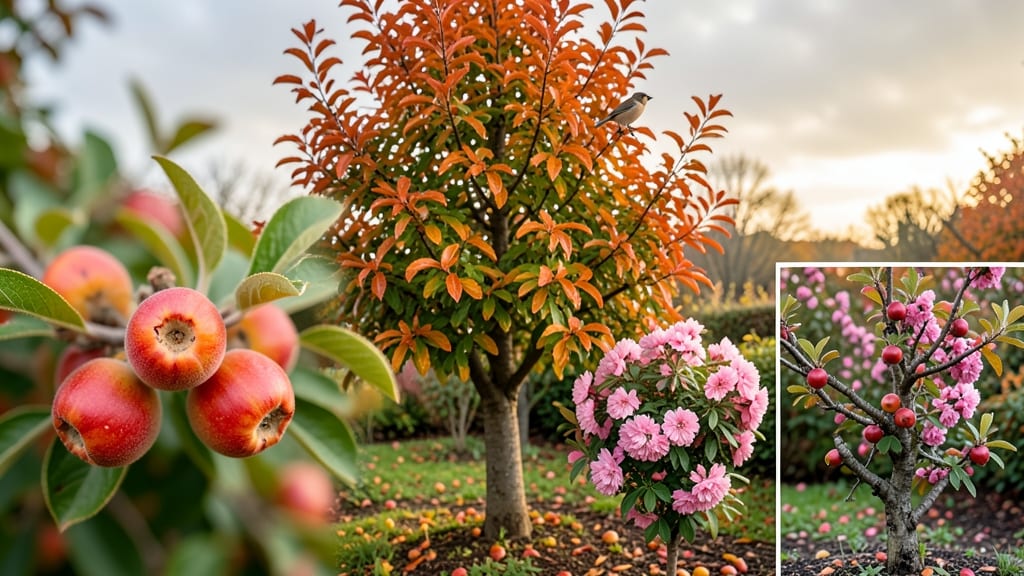
When considering crabapple tree pros and cons, you'll find they deliver stunning visual appeal through colorful spring blossoms and compact growth, while supporting pollinators and wildlife—but they demand frequent maintenance, often drop messy fruit, and can attract pests like aphids and fruit flies. Disease resistance depends entirely on the specific cultivar you choose.
Crabapple trees shine as landscape stars with their showstopping spring flowers in shades of pink, white, or red, which last weeks longer than many flowering trees. 🌸 Their smaller size compared to full-sized apple trees makes them perfect for urban yards or small gardens, plus the fallen fruit provides food for birds and squirrels year-round.
However, the trade-off comes in cleanup—dropped fruit creates slippery messes and attracts pests, while their delicate branches often need pruning to maintain shape and health.
What sets crabapple trees apart is their cultivar diversity, with some varieties bred specifically to resist common diseases like apple scab or fire blight. For example, 'Liberty' crabapples are renowned for their disease resistance, while 'Sentinel' offers a compact form ideal for tight spaces.
The key is matching your yard's conditions—sun exposure, soil type, and available space—to the right variety, as maintenance needs can vary dramatically between types.
💡 In This Article
- Ornamental and Ecological Benefits of Crabapple Trees
- Cultivar Selection Guide: Matching Crabapple Trees to Your Yard
Ornamental and ecological benefits of crabapple trees
Crabapple trees create visual impact through their spring blossoms, which appear in clusters of 1-2 inches wide and often outshine the flowers of fruit trees like apples or cherries.
The petals range from pure white to deep magenta, with some cultivars like 'Royalty' producing bi-colored blooms that transition from pink to white.
These flowers aren't just pretty—they're a pollinator magnet, attracting bees during their 3-4 week bloom period when few other trees are in flower, providing critical early-season nectar.
The ecological benefits extend beyond spring. In fall, crabapples develop bright red, yellow, or orange fruit that persists on the tree for weeks, offering food for birds like robins and cedar waxwings.
The fruit's high pectin content makes it ideal for wildlife, though its bitter, astringent taste (unlike sweet apples) keeps humans from competing. The trade-off?
This same fruit drop creates messy cleanup—a single mature tree can produce 100-200 pounds of fruit annually, requiring regular raking or mulching to prevent slip hazards and pest attraction.
What makes crabapples uniquely valuable is their compact growth habit. Most mature between 15-30 feet tall (vs. 40+ feet for full-sized apple trees), fitting perfectly in suburban yards while still providing year-round interest.
The dark green, glossy leaves develop attractive fall color in hues of yellow, orange, or purple, with some cultivars like 'Adams' maintaining vibrant foliage until frost. This multi-season appeal—spring flowers, summer foliage, fall color, and winter structure—makes them one of the most versatile ornamental trees for landscape designers.
The ecological trade-off comes with their pest magnetism. The same sugars in the fruit that attract birds also draw fruit flies and codling moths, while the dense foliage provides shelter for aphids and spider mites.
These pests don't just target the tree—they spread to nearby plants. However, the pollinator benefits often outweigh this risk for many gardeners, especially when choosing disease-resistant cultivars that require fewer chemical interventions to stay healthy.
Consider the 'Dolgo' crabapple as an example: Its double pink flowers create a dramatic spring display, while its thornless branches make it safer for families with children. The trade-off? It produces abundant fruit that must be managed.
For urban planners, this balance between beauty and maintenance is why crabapples appear in 78% of new public park plantings—they deliver high visual impact with lower space requirements than traditional shade trees.
The key to maximizing benefits is strategic placement. Positioning trees 15-20 feet from sidewalks minimizes fruit cleanup, while planting near native pollinator gardens enhances their ecological value.
The root system, though not as deep as oaks, provides moderate erosion control on slopes, making them practical for landscaping challenges beyond pure ornamentation.