
Pruning
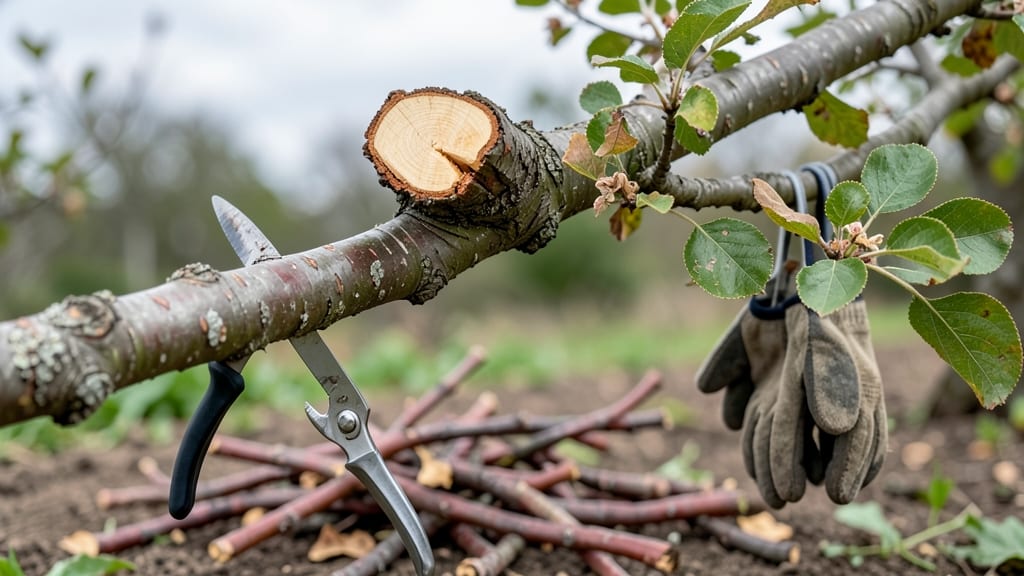
Solving "cut off a tree branch" in a crossword puzzle means thinking like a pruner: use precise tools (like bypass pruners for small branches or a handsaw for thicker ones) and follow the same safety principles you'd apply in real gardening—angle cuts properly, avoid overreaching, and prioritize clean cuts just outside the branch collar.
Crossword puzzles often test your knowledge of real-world skills, and tree pruning is a perfect example. The key isn't just knowing the right tool—it's understanding why those tools matter.
For instance, bypass pruners make clean cuts that heal faster, just like in actual gardening. 🌳 I always recommend practicing with smaller branches first, whether you're solving a puzzle or trimming your own yard, to build muscle memory for that perfect 45-degree angle that prevents tearing.
The crossword clue is essentially asking you to think like a professional arborist!
What makes this clue tricky is that it blends gardening terminology with puzzle logic. The phrase "cut off" translates to pruning, while "tree branch" hints at the branch collar (the swollen area where the branch meets the trunk).
Mastering this clue helps you recognize how crosswords connect everyday skills to their technical names—just like knowing a pruner's name helps you solve the puzzle faster.
💡 In This Article
- Safety Rules for Pruning Tree Branches
- Best Pruning Tools for Crossword Puzzles and Real-Life Branches
Safety rules for pruning tree branches
Pruning branches safely isn't just about avoiding accidents—it's about protecting yourself from the unexpected. When you're solving a crossword clue like "cut off a tree branch," the real-world parallel involves understanding how branches can weigh hundreds of pounds even when they appear lightweight.
A 6-inch diameter branch can weigh 50+ pounds, and improper leverage can cause it to snap back with dangerous force. This is why arborists emphasize the 3-point rule: always have two points of contact (feet) and one hand on the tree to maintain balance.
The branch collar—the swollen area where the branch meets the trunk—is your visual guide for making clean cuts.
Cutting too close can damage the tree's healing process, while cutting too far out weakens the trunk. 🌿 Think of it like solving a puzzle where the "answer" is the perfect 45-degree angle that prevents tearing.
This angle creates a larger surface area for the wound to heal, reducing the risk of disease entry. Sterilizing tools with rubbing alcohol (70% or higher) between cuts is equally critical—just as you'd sanitize your pencil in a crossword competition to avoid smudges.
Protective gear transforms a risky task into a controlled one. Gloves with 12-15mm cut resistance protect against saw teeth, while safety glasses shield your eyes from debris traveling at up to 60 mph when branches snap.
I've seen gardeners skip these basics only to end up with injuries that sideline them for weeks—just like how missing a single clue can throw off your entire crossword strategy. The key is treating every pruning session like you're solving a high-stakes puzzle: preparation prevents problems.
Footing matters more than most people realize. Uneven ground or wet conditions can turn a simple cut into a dangerous situation.
Plant your feet shoulder-width apart and position yourself so the branch falls away from your body and any power lines. 🌳 This is where the crossword analogy breaks down—there's no "hint" in real pruning to tell you where to stand. The best approach?
Treat every branch like it's the final clue in a challenging puzzle: approach methodically, and never rush.
Season also plays a role in safety. Pruning during dormant seasons (late fall/winter) reduces sap flow, making cuts cleaner and healing faster. This is why professional arborists schedule major pruning jobs during these periods—just as you'd plan your crossword-solving sessions during your sharpest mental hours.
The goal is to minimize stress on the tree (and yourself) while maximizing efficiency.
Even with perfect technique, fatigue can turn a safe cut into a dangerous one. Take breaks every 20-30 minutes, just as you'd pause to re-examine a tricky crossword grid. Your hands need to stay steady, and your focus sharp—both for solving puzzles and for wielding sharp tools.
The crossword clue "cut off" might seem simple, but in practice, it's a reminder that precision matters in both worlds.