
Pruning
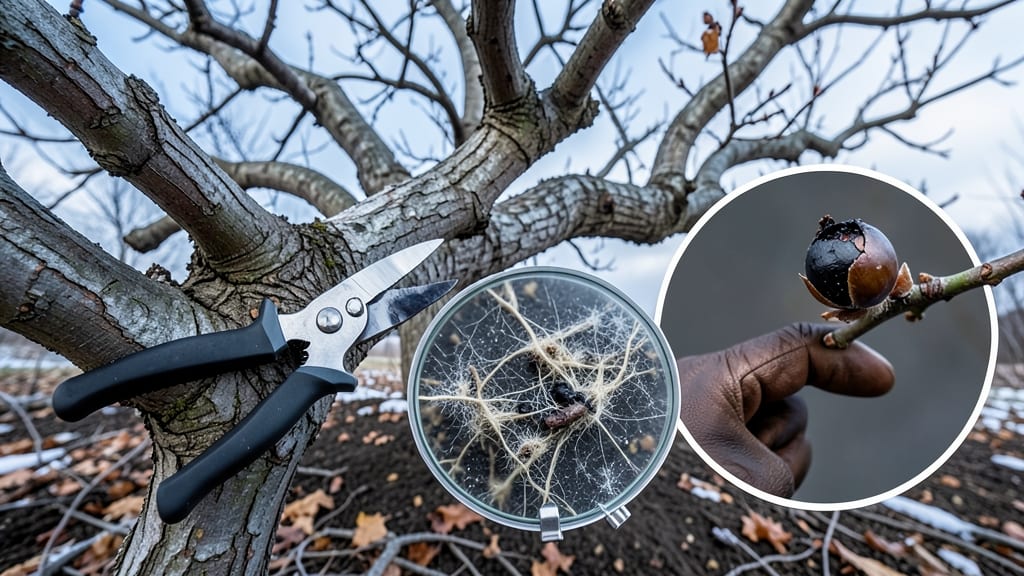
Reviving dead tree buds starts with understanding why they failed—whether it’s last winter’s frost, hidden pests, or a fungal infection like anthracnose. 🌱 I’ve seen branches look hopeless one season only to burst with new life after the right cuts and care.
The key is pruning at the right time and addressing the root cause, not just trimming dead wood.
Most dead buds result from stress: too much water, not enough nutrients, or pests like borers chewing away unseen. Before you prune, check for signs—mushy buds (fungus), holes in bark (insects), or brittle stems (drought).
A simple test: scrape a bud gently. If it’s brown inside, it’s dead. If green, it might still sprout with the right care.
Strategic pruning cuts can save your tree. Remove dead buds cleanly with sharp shears, cutting just above a healthy bud or branch collar. For severe cases, thin the canopy to improve airflow and reduce stress.
After pruning, feed the tree with compost or balanced fertilizer to encourage new growth—you’ll often see fresh buds within weeks.
Prevention is easier than revival: water deeply but infrequently, mulch properly, and inspect branches yearly for early signs of trouble. When in doubt, consult an arborist for persistent issues. With the right approach, even "dead" branches can surprise you next spring.
Understanding Bud Failure Causes
Dead or failed buds on trees are often a sign of stress, disease, or environmental missteps—but they’re rarely random. Below, we break down the key reasons why buds wither, dry out, or refuse to bloom, along with the science behind each culprit.
Knowing the root cause helps you target fixes (and avoid repeating mistakes!).
Cold snaps during bud dormancy (late winter) or swelling (early spring) can freeze buds before they mature. Trees like fruit trees, maples, and lilacs are especially vulnerable because their buds contain delicate embryonic tissue.
How it happens:
- Pre-swelling buds (still dormant) survive temps down to -15°F, but swollen buds (ready to burst) die at 28–32°F.
- Rapid temperature swings (e.g., 60°F days followed by 20°F nights) confuse the tree’s metabolism, causing osmotic shock—cells lose moisture and collapse.
- Moisture in buds (from rain or dew) acts like antifreeze, but if temps drop after moisture absorbs, ice crystals form inside cells, rupturing them.
Actionable fix:
- Monitor National Weather Service frost advisories for your zone.
- Use frost cloths or row covers over buds during critical swelling stages (check your tree’s bloom time).
- Avoid late-season watering—wet buds freeze faster than dry ones.
Bud failure isn’t just a cold-weather issue—intense heat or direct sun can also fry them. This often affects young buds or those on south-facing branches exposed to afternoon sun.
How it happens:
- High temperatures (above 95°F) cause buds to overheat, disrupting enzyme activity needed for growth.
- Sunlight + dry air = transpiration stress, where buds lose moisture faster than roots can replenish it.
- Albedo effect: Light-colored bark reflects heat, but dark bark (common in oaks or cherries) absorbs it, baking nearby buds.
Actionable fix:
- Prune to open the canopy—thin branches to allow airflow and reduce heat buildup.
- Mulch heavily (3–4 inches) to regulate soil temps and reduce root stress.
- Water deeply in late afternoon to cool buds and soil (avoid wetting foliage to prevent fungal risks).
Pathogens like anthracnose, botrytis blight, or bacterial blight target buds, causing them to blacken, ooze, or mummify. These diseases thrive in wet, humid conditions and often strike during bud break.
How it happens:
- Spores overwinter in dead buds, bark crevices, or fallen leaves.
- Spring rains + warm nights (60–70°F) create the perfect storm for fungal growth.
- Wounded buds (from pruning cuts or hail) are entry points for bacteria (Pseudomonas syringae is a common culprit).
Actionable fix:
- Clean up debris in fall/winter—remove and dispose of (don’t compost) infected buds.
- Apply fungicide (copper-based or neem oil) before bud swell (dormant season) and again at pink bud stage.
- Avoid overhead watering—use drip irrigation to keep foliage dry.
Bud failure often stems from hydration extremes—either drought stress or overwatering—and nutrient deficiencies (especially nitrogen, phosphorus, or micronutrients like boron or zinc).
How it happens:
- Drought: Roots can’t supply enough water, causing buds to desiccate (dry out). Trees like peaches and plums are drought-sensitive.
- Overwatering: Root rot (from Phytophthora or Fusarium) starves buds of oxygen, leading to blackened, mushy buds.
- Nutrient deficiencies:
- Nitrogen (N) deficiency → Small, pale buds.
- Boron (B) deficiency → Buds crack or fail to elongate.
- Zinc (Zn) deficiency → "Little leaf" syndrome (tiny, clustered buds).
Actionable fix:
- Test soil (pH + NPK) and amend as needed—buds need pH 6.0–7.0 for optimal nutrient uptake.
- Water deeply but infrequently—aim for 1–1.5 inches per week (adjust for clay/sandy soil).
- Fertilize in early spring with a balanced 10-10-10 or slow-release organic matter (compost or worm castings).
Aggressive pruning, topping, or poor cut timing can trigger bud death by removing energy sources or exposing buds to stress.
How it happens:
- Pruning too late: Cuts after bud swell remove next year’s growth before it forms.
- Topping: Removes apical buds, causing sprout clusters that exhaust the tree’s resources.
- Ragged cuts: Jagged edges leave wound tissue vulnerable to disease or sunburn (buds near cuts dry out).
Actionable fix:
- Prune in late winter/early spring (just before buds swell) for dormant trees.
- Use sharp tools and make clean, angled cuts (¼” above a bud).
- Avoid removing >25% of foliage in one season—gradual thinning is key.
Insects like aphids, scale, borers, or mites drain sap from buds, causing them to wilt, distort, or drop prematurely.
How it happens:
- Aphids/scale: Inject toxins and stunt growth; honeydew attracts sooty mold, blocking sunlight.
- Borers (Sirex woodwasps, emerald ash borers): Larvae tunnel into bud zones, killing tissue.
- Spider mites: Feed on cell sap, causing buds to turn brown and crispy.
Actionable fix:
- Inspect buds early for sticky residue (honeydew), webbing, or sawdust-like frass.
- Spray horticultural oil (dormant season) or neem oil (active season) to suffocate pests.
- Introduce beneficial insects (ladybugs, lacewings) or bird-friendly habitats to control populations.
Some trees naturally produce fewer buds as they age, or certain varieties are prone to bud failure due to genetics.
How it happens:
- Over-mature trees: Reduced vigor → fewer flowering buds (common in old fruit trees).
- Hybrid vulnerabilities: Some cultivars (e.g., ‘Honeycrisp’ apples) are sensitive to bud break timing.
- Rootstock issues: Grafted trees may reject buds if the rootstock is incompatible.
Actionable fix:
- Rejuvenate old trees with rejuvenation pruning (severe cutback to stimulate new growth).
- Choose disease-resistant cultivars if bud failure is hereditary.
- Graft replacement branches if the rootstock is failing (consult an arborist).
Reviving Dormant Branches Step by Step
Now that you understand why your tree’s buds might be struggling, it’s time to take action! The good news? Many causes of dead or dormant buds can be reversed with the right techniques.
Below, we’ve mapped out practical solutions for each common issue—plus prevention tips to keep your tree thriving long-term.
If your cuts were too harsh, too late, or too close to the trunk, the tree may have lost its ability to regenerate. Here’s how to correct it:
🔪 Step 1: Assess the Damage
- Look for ragged cuts, stubs, or excessive dieback (branches with no leaves or buds).
- Check if the cambium layer (the green, growth-producing layer just under the bark) is exposed—this is a red flag for poor healing.
🍳 Step 2: Prune Correctly This Time
- Make clean cuts at a 45-degree angle, about ¼ inch above a bud or branch collar (the swollen area where a branch meets the trunk).
- Avoid topping (cutting back to a stub)—this stresses the tree and encourages weak regrowth.
- Use sharp, sterilized tools (pruners, saws) to prevent disease spread.
🌡️ Step 3: Encourage New Growth
- Apply a wound sealant (like pruning paste) to large cuts (>2 inches) to protect against pests and rot.
- Water deeply after pruning to help the tree recover.
- Fertilize lightly with a balanced, slow-release fertilizer (10-10-10) in early spring to support regrowth.
💡 Pro Tip:
If the tree is still young, avoid heavy pruning—focus on shaping and removing only dead/diseased branches. Mature trees can handle more, but always prune in late winter or early spring (just before buds swell).
Fungal infections, borers, or sap-sucking insects can drain a tree’s energy, leaving buds dormant. Here’s how to fight back:
🛡️ Step 1: Identify the Culprit
- Fungal issues? Look for black spots, powdery mildew, or oozing cankers.
- Insect damage? Check for sawdust-like frass, holes, or sticky sap (honeydew).
- Bacterial infections? Notice wet, oozy lesions or unusual wilting.
🍄 Step 2: Treat the Problem
| Issue | Solution |
|---|---|
| Fungal disease | Spray with neem oil, copper fungicide, or horticultural oil in early spring and fall. Remove and dispose of infected branches (don’t compost!). |
| Borer infestation | Apply beneficial nematodes or borer-specific insecticides (like Bt for larvae). For severe cases, drill and inject systemic insecticide. |
| Sap-sucking pests (aphids, scale) | Blast off with water spray or use insecticidal soap. Introduce ladybugs or lacewings for natural control. |
🌿 Step 3: Boost Tree Health
- Improve air circulation by thinning dense foliage.
- Mulch properly (2-4 inches of organic mulch, kept away from the trunk).
- Water deeply but infrequently to encourage strong root growth.
✨ Pro Tip:
If your tree is severely compromised, consider a soil drench with mycorrhizal fungi to help roots absorb nutrients better and fight stress.
Drought, extreme heat, or frost can shock a tree into dormancy. Here’s how to bring it back:
💧 Step 1: Adjust Watering Practices
- Deep watering (1-2 inches per week) is better than frequent shallow watering.
- Mulch heavily (3-4 inches of wood chips or straw) to retain moisture and regulate soil temp.
- Avoid overhead watering—it encourages fungal growth.
🌡️ Step 2: Protect from Temperature Swings
- Young or sensitive trees? Wrap the trunk with tree guard in winter to prevent sunscald (bark damage from cold snaps).
- Heat-stressed trees? Provide light shade (like a shade cloth) during extreme heatwaves.
🌱 Step 3: Stimulate Growth Naturally
- Apply a root stimulator (like kelp meal or fish emulsion) to encourage recovery.
- Avoid heavy fertilization—too much nitrogen can stress a weakened tree.
- Prune lightly to reduce transpiration (water loss) if the tree is struggling.
💡 Pro Tip:
If buds are still dormant after spring, try gently scratching the bark near a bud to check for green tissue underneath—if it’s alive, the tree just needs time!
Once you’ve revived your tree, keep these habits to prevent future dormancy:
✅ Prune at the right time – Late winter/early spring (just before buds swell) or summer (after flowering). ✅ Monitor for pests – Inspect branches monthly during growing season. ✅ Improve soil health – Test soil pH and amend with compost or organic matter if needed. ✅ Avoid overwatering – Yellowing leaves? It’s often a sign of too much water, not too little. ✅ Choose disease-resistant varieties – If your tree is prone to issues, opt for hardy cultivars next time.
Final Thought: 🌟 Patience is key—some trees take 1-2 seasons to fully recover. With the right care, those dormant buds will burst back to life, and your tree will reward you with vibrant new growth!
Frequently asked questions about dead tree buds
How can I tell if a bud is truly dead or just dormant?
Gently scrape the outer layer of a bud with your fingernail. If you see green tissue underneath, it’s alive but dormant—likely due to cold or stress. If it’s completely brown or hollow, the bud is dead and won’t regrow. For fruit trees, swollen buds that feel firm are usually alive, while shriveled or mushy ones are dead.
Will pruning dead buds help my tree recover?
Yes, but only if you do it correctly! Remove dead buds by cutting just above a healthy bud or branch collar (the swollen area where branches meet). Never leave stubs—this invites disease. For severe cases, thin the canopy to improve airflow and reduce stress. Prune in late winter/early spring to avoid removing next year’s growth.
Could my tree’s dead buds be from last year’s frost damage?
Absolutely—frost is the #1 culprit for dead buds, especially if temps dropped below 28°F during bud swell. Check if buds were swollen before the freeze (they’re more vulnerable then). Protect vulnerable trees next year with frost cloths or row covers, and avoid late-season watering (wet buds freeze faster).
What should I do if my tree has black, oozing buds?
That’s likely a fungal infection (like anthracnose) or bacterial blight. Remove infected buds immediately and sterilize your pruners with rubbing alcohol. Apply copper fungicide or neem oil in early spring and fall, and avoid overhead watering to prevent spore spread. Clean up fallen debris to break the disease cycle.
How long does it take for a tree to recover from dead buds?
Recovery time varies—some trees show new growth within 2-4 weeks if the root cause is addressed, while others may take 1-2 seasons. Focus on proper pruning, balanced fertilization, and pest control. If buds still don’t sprout after spring, test your soil for nutrient deficiencies (especially nitrogen or boron) or consult an arborist for severe cases.