
Pruning
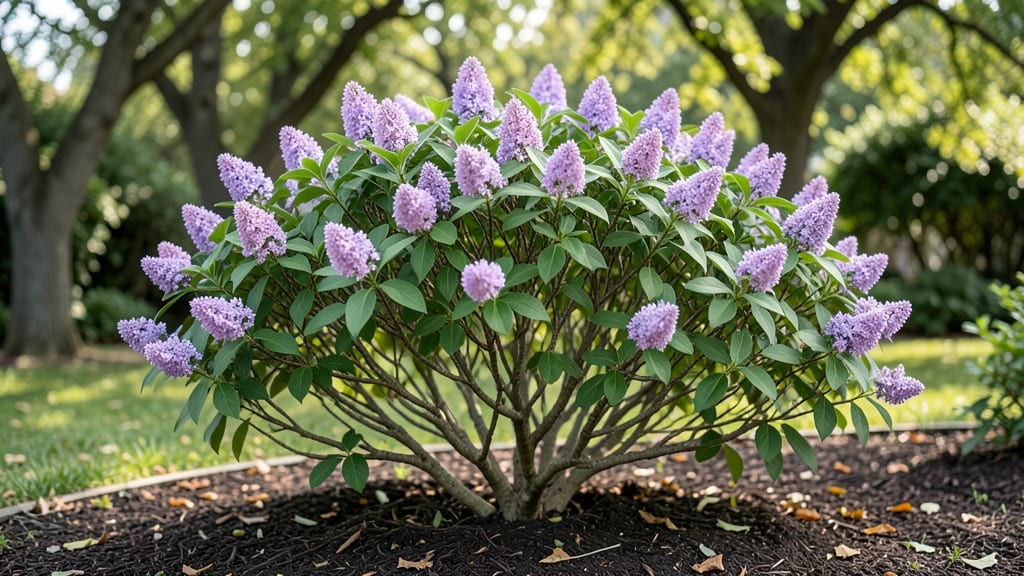
Winter pruning the dwarf Korean lilac tree in winter transforms it into a neat, blooming machine by spring—just when you need that pop of color. 🌿 This deciduous beauty sheds its leaves but stays hardy down to Zone 5, so with the right cuts, you'll encourage dense growth and next year's fragrant blooms without risking frost damage.
The secret is timing: prune after the first hard frost but before new growth appears in early spring. Grab your pruners and focus on removing dead, crossing, or overly long branches—never cut more than 1/3 of the plant at once.
Korean lilacs bloom on old wood, so avoid heavy pruning in autumn, which could reduce next year's flowers.
What you'll end up with is a compact, vibrant shrub that stays manageable even in small gardens. The fragrant purple blooms arrive earlier than most lilacs, and the glossy green foliage adds texture year-round. Just wrap young plants in burlap if your winters dip below 10°F for extra protection.
Works for both container and in-ground planting, and the same principles apply whether you're in a cold northern climate or a milder zone. Here's how to do it right without sacrificing next season's showstopper blooms.
📚 In This Guide
- What you need
- Instructions
- Tips and common mistakes
- Wrapping up and next steps
What you need
- ● Pruning shears: Sharp, bypass-pruners (for clean cuts on smaller branches). Quantity: 1 pair.
- ● Loppers: For thicker branches (up to 1.5 inches in diameter). Quantity: 1 pair.
- ● Hand pruners: For fine-tuning and deadheading. Quantity: 1 pair.
- ● Disinfectant (70% isopropyl alcohol or bleach solution): To sterilize tools between cuts. Quantity: Small bottle or spray.
- ● Heavy-duty gloves: Cut-resistant and weatherproof for winter protection. Quantity: 1 pair.
- ● Garden twine or zip ties: For securing branches if needed. Quantity: Small roll.
- ○ Pruning sealant (optional but helpful): For sealing larger cuts to prevent disease. Quantity: Small tube.
- ● Extension pole: For reaching higher branches without straining. Spec: 3–6 ft, with adjustable head.
- ● Work gloves with grip: For extra comfort in cold or wet conditions.
- ● Notebook & pen: To sketch your tree’s shape or note cuts for future reference.
- ● Mulch (shredded bark or straw): To protect the base after pruning. Quantity: 2–3 inches, spread in a 2–3 ft radius.
- ● Tree tie or tape: For supporting weak branches temporarily.
Instructions for pruning your dwarf Korean lilac in winter
Winter’s the perfect time to shape your dwarf Korean lilac—here’s how to prune for dense blooms and healthy growth.
✂️ Step 1: Time Your Prune for Late Winter Dormancy
Prune your dwarf Korean lilac 4-6 weeks before spring growth begins, typically in late February or early March when the plant is fully dormant. You’ll know it’s ready when buds are still closed but starting to swell slightly. Pruning too early risks cold damage to fresh cuts, while waiting too late encourages new growth that can’t survive winter.
Check your local frost dates—if a late frost is forecast, delay pruning until after the danger has passed. I always prune on a dry, calm day when temperatures are above 40°F. This timing ensures the plant has energy stored for the new season’s growth.
✂️ Step 2: Remove Dead, Diseased, or Crossing Branches First
Start by identifying and removing any branches that are dead, diseased, or crossing—these compete with healthy growth and can spread problems. Dead branches snap easily when bent; diseased ones may have dark spots or oozing sap. Use clean, sharp pruning shears to make 45-degree cuts just above a bud or lateral branch.
Crossing branches rub against each other, creating wounds that invite pests. Look for branches growing inward or rubbing—these should go first. I always step back occasionally to visualize the plant’s natural shape. Removing these first opens up the canopy for better airflow and sunlight penetration.
✂️ Step 3: Thin Out Overcrowded Areas for Airflow
Next, thin out the center of the plant by removing one-third of the oldest, thickest branches. These branches often produce fewer flowers and can shade the interior, leading to weak growth. Focus on branches that are more than 3 years old—they’ve already bloomed and won’t contribute much to next year’s flowers.
Thinning improves airflow, which reduces fungal diseases like powdery mildew. You’ll see a more open, vase-like structure that lets light reach all parts of the plant. Never remove more than 25% of the plant’s total branches in one season—this can stress the dwarf Korean lilac and reduce flowering.
✂️ Step 4: Shape the Canopy for Balanced Growth
Now, shape the outer edges of the plant by trimming back 10-20% of the current season’s growth. Cut just above a bud that faces outward to encourage new growth in the right direction. Avoid cutting into old wood—new growth from old wood is weaker and less likely to flower.
Step back frequently to check for balance. The goal is a rounded, slightly tiered shape that mimics the plant’s natural form. Avoid heavy pruning on one side—this creates uneven growth. If you’re unsure, prune lightly and observe the plant’s response before making drastic cuts.
💧 Step 5: Clean Up and Apply Post-Pruning Care
After pruning, rake up and dispose of all clippings—never leave them on the ground, as they can harbor diseases. Sterilize your pruning tools with rubbing alcohol to prevent spreading pathogens. Water the base of the plant deeply to help it recover, especially if the winter was particularly dry.
Apply a 2-3 inch layer of mulch around the base (but not touching the trunk) to insulate roots and retain moisture. This is especially important for dwarf Korean lilacs, which have shallow root systems. Avoid fertilizing immediately after pruning—the plant needs time to recover before putting energy into new growth.
Tips & tricks for perfect dwarf Korean lilac pruning
Here's what nobody tells you about transforming your dwarf Korean lilac into a blooming masterpiece—these are the details that separate good pruning from truly stunning results.
Timing is Everything: The 4-6 week window before spring growth is critical, but don't just guess—check for those tiny swelling buds that haven't yet opened. I've seen gardeners prune too early when buds were still tightly closed, only to have their cuts freeze back. The key is catching that moment when buds are visibly plumping but haven't broken dormancy yet. This timing ensures your plant has stored energy for the new growth you're encouraging.
The 45-Degree Cut Secret: When making those crucial cuts in Step 2, the angle matters more than you might think. A proper 45-degree cut just above a bud creates a natural water-shedding surface that prevents water from pooling and causing rot. I've made the mistake of cutting straight across—those cuts collect moisture and become entry points for disease. Always make your cuts at the node (the bump where leaves or buds attach) to maximize healing potential.
Visualizing the Canopy: Before you make a single cut in Step 4, step back and visualize the plant's natural shape from all angles. The goal is a slightly tiered, rounded form that lets light penetrate to the center. I've ruined perfectly good pruning sessions by getting too close—only to realize I'd created a lopsided mess. Think of it like sculpting: you're removing material to reveal the beautiful shape already within. The outward-facing buds you target should create a cascading effect of new growth.
Mulch Matters More Than You Think: That 2-3 inch layer of mulch in Step 5 isn't just decorative—it's a game-changer for dwarf Korean lilacs with their shallow root systems. The mulch acts like a thermal blanket, protecting roots from temperature swings that can stress the plant. I've noticed a dramatic difference in spring recovery when I've taken the time to properly mulch versus when I've skimped. Just remember to keep it away from the trunk to prevent moisture-related rot.
Pro Tips for Dwarf Korean Lilac Tree In Winter
- Here's what nobody tells you about transforming your dwarf Korean lilac into a blooming masterpiece—these are the det...
- Timing is Everything: The 4-6 week window before spring growth is critical, but don't just guess—check for those tiny...
- The 45-Degree Cut Secret: When making those crucial cuts in Step 2, the angle matters more than you might think. A pr...
Frequently asked questions
When is the best time to prune my dwarf Korean lilac tree in winter?
Prune your dwarf Korean lilac after flowering but before late winter (ideally January–February). This timing ensures you remove spent blooms while avoiding late-season growth that could be damaged by cold. Avoid pruning in extreme cold or during active growth spurts.
How much can I trim back my dwarf Korean lilac without harming it?
You can safely remove up to 1/3 of the plant’s height per year. For dwarf varieties (typically 3–5 feet tall), this means trimming back 6–18 inches. Focus on dead, crossing, or overcrowded branches first. Avoid heavy cuts—dwarf lilacs respond better to gradual shaping.
What if my dwarf Korean lilac doesn’t bloom after winter pruning?
Lilacs bloom on old wood, so pruning too late or too aggressively can reduce flowers. If blooms are sparse, prune lightly in early spring (after flowers fade) instead. Over-fertilizing with nitrogen can also stunt blooms—use a balanced 10-10-10 fertilizer instead.
Can I prune my dwarf Korean lilac in late winter if I missed the ideal window?
Yes, but wait until temperatures stabilize above freezing (usually March). Late pruning may encourage tender new growth vulnerable to frost. If you must prune early, cover cuts with pruning sealant and monitor for damage. Prioritize removing dead wood first.
Are there cold-hardy alternatives to dwarf Korean lilac for winter interest?
Yes! Consider these low-maintenance, winter-friendly shrubs:
- Dwarf Fothergilla (fragrant spring blooms, fiery fall foliage)
- Winter Dappled Dwarf Spirea (red stems in winter, pink spring flowers)
- Compact Boxwood (evergreen, dense structure)
Wrapping up and next steps
The dwarf Korean lilac tree thrives in winter with the right care—strategic pruning unlocks its full potential, ensuring vibrant blooms and a compact shape year-round. 🌿 By following the steps outlined, you’ve armed yourself with the knowledge to shape, revive, and protect your tree while respecting its natural rhythm.
Now’s the perfect time to roll up your sleeves: grab those pruners, step outside, and give your lilac the winter love it deserves!
🌟 Next Steps:
- Mark your calendar for late winter (just before buds swell) to prune again.
- Monitor your tree’s health—adjust care based on its response.
- Share your progress! Tag us @GardenGuru for inspiration.