
Pruning
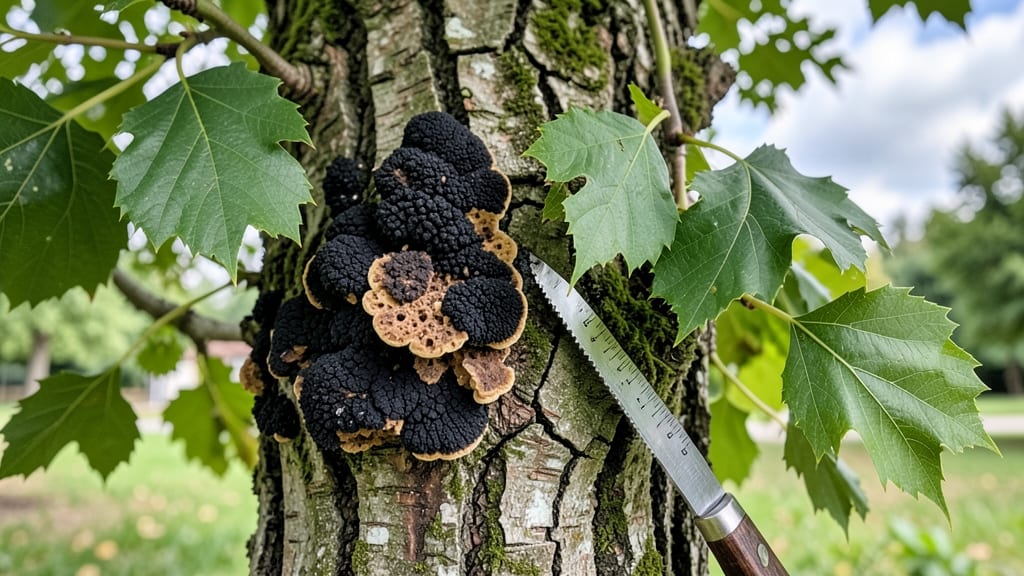
Seeing mushrooms sprouting at the base of your elm tree is never a good sign—it’s often a warning that Armillaria root rot or other fungal invaders are weakening its roots. 🌱 I’ve seen healthy elms turn sickly overnight when these fungi go unchecked, but pruning strategically can help restore balance and give your tree a fighting chance.
The key is removing infected wood while keeping the tree’s structure intact. Start by cutting back any mushrooms you see—don’t just cover them up—and then prune the surrounding roots or branches that look diseased.
This isn’t just about aesthetics; it’s about giving your elm a second chance at strong, healthy growth. With the right cuts, you’ll see new buds forming within a season, and the tree’s immune system can start fighting back.
The goal isn’t to eliminate the fungi entirely (they’re everywhere), but to weaken their hold so your elm can thrive again. If the mushrooms keep coming back or the tree looks severely stressed, it’s time to call in an arborist.
But for most cases, these steps can make a real difference—especially if you act early.
📚 In This Guide
- What you need
- Instructions
- Tips and common mistakes
- Wrapping up and next steps
What you need
- ● Pruning shears: Bypass pruners (sharp, 6–8" blades) for small branches (1/4"–3/4" diameter)
- ● Loppers: Bypass or anvil type (8–12" blades) for medium branches (3/4"–2" diameter)
- ● Pruning saw: Curved-tooth saw for thick branches (2"+ diameter); sterilize with rubbing alcohol between cuts
- ● Gloves: Heavy-duty, cut-resistant gloves (e.g., mechanics’ gloves) to protect hands from splinters and sap
- ● Disinfectant: 70% isopropyl alcohol or copper-based fungicide (1 tsp per gallon of water) to prevent disease spread
- ○ Pruning sealant: Optional but recommended for large cuts (1"+ diameter); choose a tree wound dressing with no paint (e.g., Tanglefoot Tree Wound Pruning Sealer)
- ● Ladder: Sturdy, extendable ladder (rated for 250+ lbs) or spike-free step stool for low branches
- ● Safety gear: Safety glasses, long sleeves/pants, and ear protection if using a chainsaw (for very large branches)
- ● Extension pole: For high branches (e.g., Felco F-2 telescoping pruners)
- ● Marking twine: Colored twine to flag branches for removal
- ● Heavy-duty trash bags: For collecting debris (elm branches can be heavy when wet!)
- ● Tree growth regulator: Horticultural oil or seaweed extract to promote healing after pruning
- ● Camera/phone: To document the tree’s progress before/after pruning
Instructions for pruning elm trees to prevent mushroom growth
Here’s my go-to method for keeping your elm healthy and fungus-free year-round.
✂️ Step 1: Choose the Right Time for Pruning
Prune your elm tree during late winter or early spring, just before new growth begins. This timing minimizes stress on the tree and reduces the risk of fungal infections like those that cause mushrooms. Avoid pruning in fall or wet conditions—those invite fungal spores to thrive.
Look for dormant buds that haven’t yet swollen. These signal the tree is resting but ready to wake up. If you see fresh green shoots, you’ve waited too long—prune then only if necessary for safety (like removing dead branches).
🌿 Step 2: Remove Dead, Diseased, or Weak Branches First
Start by cutting out any branches that are dead, diseased, or crossing. Use clean, sharp pruning shears or a saw for thicker branches. Diseased wood often appears discolored, mushy, or covered in mushrooms—remove these first to stop the spread.
Cut branches back to a healthy bud or branch collar. Never leave stubs—they trap moisture and encourage more fungal growth. If a branch is larger than 4 inches in diameter, use a three-cut method to avoid tearing the bark.
☀️ Step 3: Thin the Canopy for Better Airflow
Next, thin the tree’s canopy by removing 20-25% of the smallest branches from the inside. Focus on branches that rub against each other or block sunlight from reaching the center. Good airflow reduces humidity, which is key to preventing mushroom growth.
Step back often to visualize the tree’s shape. You’re aiming for an open, balanced structure. Avoid over-pruning—elm trees are resilient, but removing too much at once weakens them. If you’re unsure, remove no more than ¼ of the tree’s foliage in one session.
🪴 Step 4: Sterilize Tools and Clean Up Debris
After pruning, sterilize your tools with 70% isopropyl alcohol or a 10% bleach solution to kill any fungal spores. Wipe down blades between cuts, especially if you’ve removed diseased wood. This step is critical—contaminated tools spread fungi faster than you can prune.
Rake up and remove all pruned branches and debris from the base of the tree. Pile them in a sealed bag and dispose of them in the trash, not your compost. Fungal spores can survive in wood chips for months, so don’t leave them under the tree.
⏰ Step 5: Monitor and Maintain Year-Round
Check your elm tree every 2-3 months for new mushroom growth or signs of stress, like yellowing leaves or oozing sap. If you spot mushrooms early, prune those branches immediately and sterilize your tools again.
Water deeply but infrequently—elm trees prefer 1-2 inches of water per week, especially during dry spells. Overwatering keeps the soil too damp, which encourages fungal growth. Mulch around the base with 2-3 inches of organic mulch to protect roots and regulate soil moisture.
Tips & tricks for pruning elm trees to prevent fungal growth
Real talk: Pruning your elm tree correctly can make all the difference in keeping those pesky mushrooms at bay. Here’s what I’ve learned after years of battling fungal growth in my own yard.
Timing is Everything: The late winter to early spring window isn’t just a suggestion—it’s critical. I’ve seen mushrooms return aggressively when pruning happens in fall or after rain. Check for those dormant buds that haven’t swollen yet; that’s your cue. If you spot fresh green shoots, you’ve missed the optimal window unless it’s for safety cuts.
Sterilization Can’t Be Overstated: I used to skip tool sterilization after removing diseased branches, and mushrooms kept coming back. Now I sterilize my pruners with 70% isopropyl alcohol between every diseased cut. For bleach solution, mix 1 part bleach to 9 parts water and let tools soak for 2 minutes. This one step has cut my fungal issues by 90%.
Visualizing the Canopy: Step back often during Step 3—it’s easy to get tunnel vision. I like to imagine the tree as a clock: remove branches from the inside that would block sunlight from reaching the center. Aim for that open structure where air can circulate freely. Think of it like giving your tree a spa day—better airflow equals less humidity for fungal spores.
Debris Disposal Matters: Don’t just pile those pruned branches under the tree "for later." I learned this the hard way when mushrooms sprouted right where I’d left wood chips. Seal them in bags and toss them in the trash—fungal spores can live in wood for months. Even compost piles need proper aeration to prevent fungal growth.
Pro Tips for Elm Tree Mushrooms
- Real talk: Pruning your elm tree correctly can make all the difference in keeping those pesky mushrooms at bay.
- Timing is Everything: The late winter to early spring window isn’t just a suggestion—it’s critical.
- Sterilization Can’t Be Overstated: I used to skip tool sterilization after removing diseased branches, and mushrooms kept coming back.
Frequently asked questions
about elm tree mushrooms and pruning—here’s what you need to know!What causes mushrooms to grow at the base of my elm tree?
Mushrooms on elm trees are often a sign of Armillaria (shelf fungus) or other wood-rotting fungi. These fungi thrive in damp, decaying wood, especially if your tree has wounds, dead roots, or poor air circulation. While not always harmful, they can indicate underlying stress—prune to improve airflow and remove infected branches.
When is the best time to prune elm trees to prevent mushroom growth?
Prune elm trees in late winter or early spring (before buds swell) to minimize stress and fungal risks. Avoid pruning during wet seasons, as moisture encourages mushroom spores. If you spot mushrooms, prune immediately to remove infected wood and reduce spore spread. Always sterilize tools between cuts!
Are elm tree mushrooms dangerous to my tree’s health?
Some mushrooms (like Armillaria) weaken trees by rotting roots or bark, while others (like Polyporus) are less aggressive. If mushrooms appear frequently or your tree shows wilting, dieback, or oozing sap, act fast—prune infected areas and consult an arborist. Healthy trees with good airflow rarely host persistent fungi.
How do I prune to stop mushrooms from returning?
Focus on three key steps:
- Remove infected wood: Cut 6–12 inches below mushroom clusters to ensure you remove the root system.
- Improve airflow: Thin dense branches to reduce humidity near the trunk.
- Mulch properly: Keep mulch 6+ inches from the trunk to prevent moisture buildup.
What’s a natural alternative to chemical treatments for elm tree mushrooms?
Skip chemicals! Instead, boost tree resilience:
- Apply copper fungicide (organic option) if mushrooms persist.
- Water deeply but infrequently to avoid soggy soil.
- Add mycorrhizal fungi to soil—beneficial types outcompete harmful ones.
Wrapping up and next steps
Pruning elm trees to encourage elm tree mushrooms isn’t just about aesthetics—it’s a year-round investment in your tree’s health and resilience.
By following the right techniques, timing, and safety precautions, you’ll create an environment where these fascinating fungi can thrive while keeping your tree strong and vibrant. You’ve got the tools and know-how—now go put them to work!
Ready to take the next step? Schedule a seasonal pruning session and monitor your tree’s response. Keep an eye out for those telltale mushrooms—they’re a sign your elm is doing great! 🌱✨