
Pruning
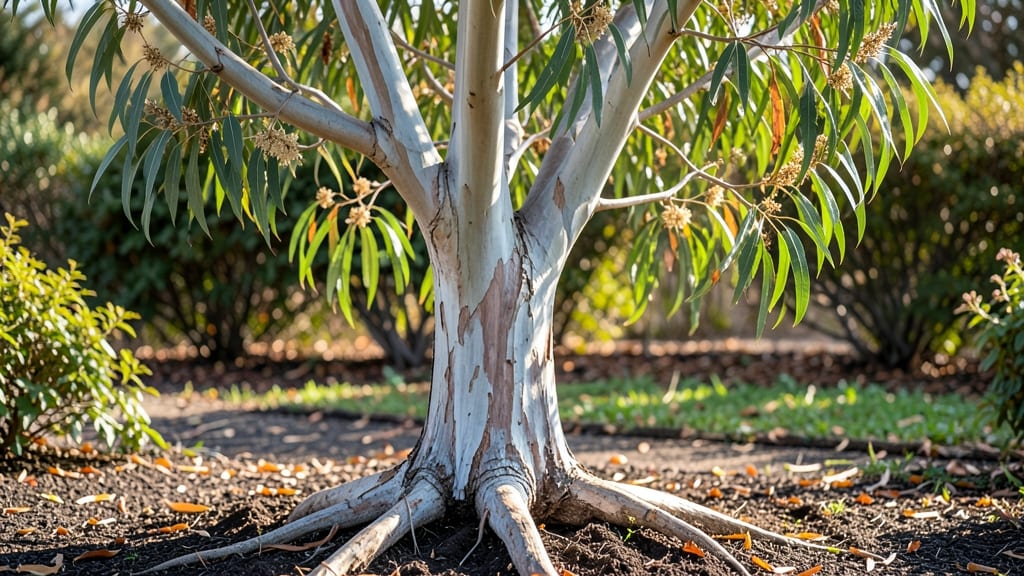
Eucalyptus trees in Zone 7 struggle to survive outdoors permanently, but cold-hardy varieties like Eucalyptus cinerea (argyle apple) or Eucalyptus pauciflora (snow gum) can endure brief freezes with proper winter protection. Most species suffer damage below 15°F (-9°C), though some may recover from dieback with care.
Zone 7's unpredictable winters—where temperatures can swing from 20°F (-7°C) to 50°F (10°C)—create a high-risk environment for most eucalyptus species. 🌬️ The key to survival lies in understanding each variety's cold tolerance: while tropical species like Eucalyptus globulus (blue gum) will perish, the hardier types can handle light freezes if their roots stay insulated.
I've seen E. cinerea bounce back from 10°F (-12°C) with thick mulch and wind protection, proving that proper preparation makes all the difference. For container-grown trees, moving them to sheltered spots during cold snaps adds an extra layer of protection.
Proper winter care isn't just about temperature—soil health plays a crucial role. Wet, compacted soil accelerates root damage, while well-draining, organic-rich soil helps trees withstand cold better.
A 4-6 inch layer of mulch (like pine straw or wood chips) acts as insulation, and wrapping young trees in burlap shields them from drying winter winds. These small adjustments can mean the difference between a tree that recovers and one that dies back permanently.
💡 In This Article
- Eucalyptus Cold Tolerance: Zone 7 Survival Limits Explained
- Zone 7 Eucalyptus Winter Care: Mulching, Shelter, and Soil Prep
Eucalyptus cold tolerance: Zone 7 survival limits explained
The cold tolerance of eucalyptus trees varies dramatically by species, with most tropical varieties like Eucalyptus globulus (blue gum) perishing below 28°F (-2°C). However, hardy species such as Eucalyptus cinerea (argyle apple) can endure brief dips to 10°F (-12°C) when properly protected.
The critical threshold for most eucalyptus is 15°F (-9°C), where cell membranes in leaves and stems begin to rupture, leading to irreversible damage. 🌡️ This is why Zone 7's winter fluctuations—where temperatures can drop below 15°F (-9°C)—pose such a risk.
Root systems are particularly vulnerable because they lack the protective bark of above-ground stems. When soil temperatures fall below 32°F (0°C), root activity slows dramatically, and prolonged exposure can lead to root rot or desiccation.
This is why well-draining, slightly acidic soil (pH 5.5-6.5) is essential—it prevents waterlogging, which exacerbates cold damage. In contrast, the canopy may show visible damage (brown leaves, dieback) at higher temperatures (20°F/-7°C) because the leaves lack the protective adaptations of roots.
The science behind eucalyptus cold hardiness involves a process called "dormancy," where metabolic activity slows to conserve energy. However, unlike deciduous trees, eucalyptus species don't shed leaves seasonally, which means they retain water and nutrients year-round. This makes them more susceptible to freeze-induced dehydration.
When temperatures drop below 25°F (-4°C), ice crystals form in the leaf cells, rupturing them and causing permanent damage. This is why hardy varieties like Eucalyptus pauciflora (snow gum) have thicker, waxier leaves that resist moisture loss during cold snaps.
Zone 7's unpredictable winters—where temperatures can swing 30°F (17°C) in a single day—create additional stress. Rapid temperature changes cause thermal shock, where eucalyptus trees struggle to acclimate quickly enough. For example, a 50°F (10°C) day followed by a 15°F (-9°C) night can lead to canopy dieback even in hardy species.
This is why mulching and windbreaks are critical—they moderate temperature extremes and reduce moisture loss from the soil and leaves.
Consider this comparison: Eucalyptus cinerea can recover from 10°F (-12°C) if its roots stay above 32°F (0°C), while Eucalyptus globulus will suffer severe damage at 28°F (-2°C). The difference lies in their evolutionary adaptations—hardy species developed in cooler highland regions, while tropical species evolved in stable, warm climates.
Understanding these thresholds helps gardeners choose the right variety for their Zone 7 climate and implement targeted protection strategies.
For container-grown eucalyptus, the risk of cold damage is even higher because pots lack the thermal mass of the ground. A 5-gallon container can freeze solid in 20°F (-7°C) weather, killing the roots.
Moving potted trees to sheltered locations (like against a south-facing wall) and wrapping them in bubble wrap or burlap adds an extra layer of insulation. This simple step can mean the difference between a tree that recovers and one that dies back permanently.