
Pruning
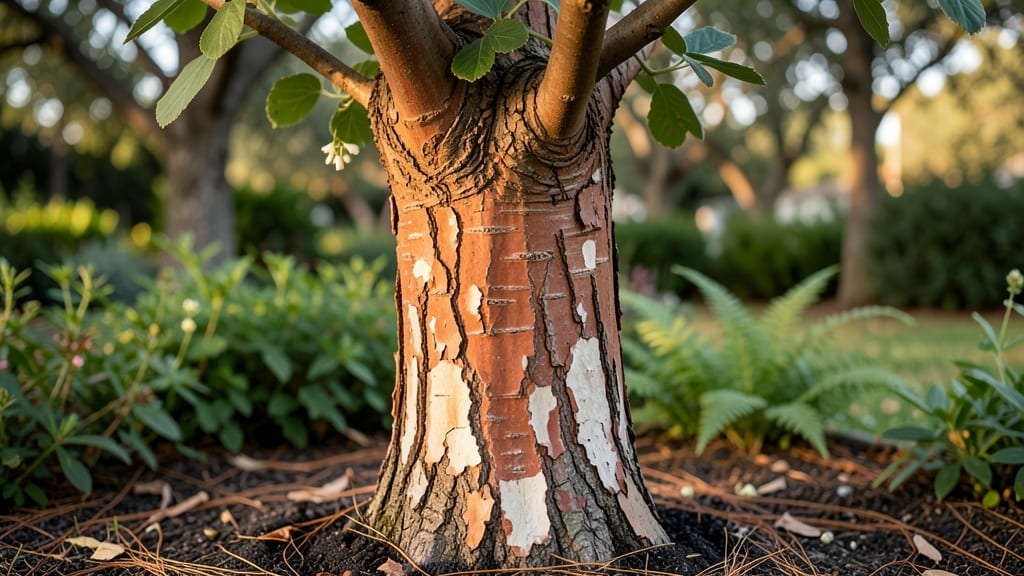
Your strawberry tree trunk holds the secret to year-round growth—when pruned right, it becomes the sturdy backbone of a tree that blooms, fruits, and thrives for decades. 🌿 I’ve watched mine transform from a scraggly sapling to a sturdy, flowering powerhouse by focusing on the trunk first: shaping it to prevent weak limbs, sealing cracks before they invite disease, and pruning with precision to encourage strong branching.
The trick isn’t just cutting back—it’s strategic shaping. Start by removing dead or crossing branches at the base, then thin out crowded growth to improve airflow. Use a clean, sharp pruner to avoid tearing bark, and always cut just outside the branch collar.
For larger branches, consider three-cut pruning to prevent bark stripping, which can weaken the trunk over time.
What you’ll end up with is a tree that looks healthier from the ground up—thicker trunk, fewer weak limbs, and a canopy that produces more flowers and fruit.
The key is consistency: a little maintenance in early spring and late winter keeps the tree resilient against storms, pests, and fungal infections that target stressed wood.
This method works for both young trees and mature specimens, whether you’re dealing with a newly planted sapling or a well-established tree that’s outgrown its space. The best part?
You’ll notice the difference in just one growing season—stronger branches, better blooms, and a trunk that stands up to whatever Mother Nature throws at it.
📚 In This Guide
- What you need
- Instructions
- Tips and common mistakes
- Wrapping up and next steps
What you need
- ● Pruning shears: Bypass pruners (sharp, clean, and sterilized with rubbing alcohol or bleach solution). Size: 6–8 inches for medium branches.
- ● Loppers: For thicker branches (½–1½ inches in diameter). Look for: Long handles (20–24 inches) for leverage.
- ● Hand saw: Pruning saw with a fine-toothed blade for stubborn, woody growth.
- ● Gloves: Heavy-duty gardening gloves (cut-resistant, like mechanic’s gloves or pruning gloves).
- ● Disinfectant: 1-part bleach to 9-parts water (for sterilizing tools between cuts).
- ● Rag or paper towels: For wiping down tools and branches.
- ○ Marking twine or tape: To flag branches for removal (optional but helpful for planning).
- ● Sealant: Pruning sealant (like Tanglefoot Tree Wound Pruning Seal) for large cuts (controversial—skip if you prefer natural healing!).
- ● Ladder or step stool: For high branches (ensure it’s stable and rated for your weight!).
- ● Notebook & pen: To jot down pruning notes or track growth patterns.
- ● Mulch: Organic mulch (like wood chips) to protect the base post-pruning.
Step-by-step guide to pruning your strawberry tree trunk
Here’s how to keep your strawberry tree thriving with simple, effective pruning techniques.
✂️ Step 1: Assess the Tree’s Structure and Identify Weak Branches
Start by examining your strawberry tree trunk and branches in bright, natural light. Look for any limbs that are crossing, rubbing against each other, or growing inward—they’ll compete for nutrients and weaken the tree over time. I also check for dead, diseased, or broken branches, which can spread rot or pests if left unchecked. Use your fingers to gently test the bark’s firmness; soft or mushy spots signal decay.
Next, identify the strongest branches—these are the ones that grow outward at a 45-degree angle from the trunk and have a healthy, green appearance. Mark these with a small piece of twine or a paint pen if you’re unsure which to keep. The goal is to create an open, airy structure that lets sunlight reach all parts of the tree. Skipping this step often leads to overcrowding, which reduces fruit production.
✂️ Step 2: Prune Dead or Damaged Branches First
Using clean, sharp pruning shears, cut out any dead or damaged branches at their base. Make your cuts just outside the branch collar—the swollen area where the branch meets the trunk. This ensures the tree can seal the wound quickly and prevents disease from entering. If a branch is larger than ½ inch in diameter, use a pruning saw instead of shears to avoid tearing the bark.
Don’t worry about making the cuts perfect—focus on removing the entire branch cleanly. You’ll know you’ve done it right when the cut is smooth and the branch collar remains intact. After removing deadwood, step back and reassess the tree’s shape. This is the moment that matters: removing dead branches first improves airflow and gives the tree a strong foundation for new growth.
✂️ Step 3: Thin Out Crossing or Rubbing Branches
Now, target branches that are crossing or rubbing. These often create wounds where bark gets damaged, inviting infections. Choose the weaker of the two branches—it’ll be thinner or less vigorous—and cut it back to the branch collar. If both branches are equally strong, remove the one that grows upward, as it’ll cast shade on the other and reduce fruit production.
Here’s the thing—don’t overthink it. If you’re unsure which branch to keep, err on the side of removing the smaller one. You can always prune more later, but you can’t undo damage from leaving a problematic branch in place. After thinning, the tree should look more open, with sunlight able to reach the center. This encourages even fruiting and stronger overall growth.
✂️ Step 4: Shape the Tree for Optimal Growth
Now it’s time to shape the tree by selectively pruning branches to encourage a strong, balanced structure. Focus on reducing the length of overly long branches by cutting them back to a bud or side branch that grows outward. Avoid cutting directly above a bud—leave a small stub to prevent water from pooling and rotting the wound.
For the main trunk, avoid heavy pruning unless absolutely necessary. Strawberry trees are resilient, but removing too much wood at once can stress the plant. Instead, prioritize shaping the outer branches to create a natural, open canopy. Step back frequently to check your progress—you’ll see the tree’s true potential as you go. This step is where your tree’s future fruit production is decided.
⏰ Step 5: Clean Up and Monitor for Recovery
After pruning, remove all cut branches and debris from the area to prevent pests or diseases from taking hold. Sterilize your pruning tools with rubbing alcohol or a bleach solution to avoid spreading pathogens. Water the tree deeply at the base to help it recover, but avoid wetting the leaves or fresh cuts, as this can encourage fungal growth.
Over the next 2-3 weeks, keep an eye on the tree for new growth. You’ll notice fresh green shoots emerging from the buds you left behind—that’s your signal everything is working. If you see yellowing leaves or wilting, it might mean you pruned too aggressively. Real talk: pruning is a skill that improves with practice, so don’t be discouraged if your first attempt isn’t perfect. The key is consistency and patience.
Tips & tricks for pruning your strawberry tree trunk
These simple tricks will help you prune with confidence and keep your strawberry tree thriving for years.
Branch Angle Matters: Pay close attention to the 45-degree angle mentioned in Step 1. Branches growing at this angle are ideal because they distribute weight evenly and allow sunlight to reach the center of the tree. If you notice branches growing straight up or inward, they’ll likely create a dense canopy that blocks light and reduces fruit production. Think of it like training a plant to grow outward—this open structure is what makes strawberry trees so productive.
Tool Sharpness is Non-Negotiable: Dull pruning shears or saws can crush branches instead of making clean cuts, which stresses the tree and invites disease. Before you start, test your tools on a small twig—if it crushes rather than cuts cleanly, sharpen your blades. I keep a small file in my toolkit just for this purpose. A clean cut heals faster and looks better, too.
Branch Collar Awareness: The branch collar—the swollen area where a branch meets the trunk—is your guide for making precise cuts. Never cut flush with the trunk; always leave a small stub of the branch collar intact. This small detail makes a huge difference in how quickly the tree seals the wound. If you accidentally cut into the collar, the tree may not heal properly, leaving it vulnerable to infections. Practice this on smaller branches first if you're unsure.
Seasonal Timing Insight: While the instructions don't specify a season, late winter or early spring is ideal for pruning strawberry trees. This timing coincides with the tree's natural dormancy period, allowing it to focus energy on new growth rather than healing wounds. If you must prune at other times, avoid extreme heat or cold periods, as these can stress the tree further. The 2-3 week recovery period mentioned in Step 5 works best when the tree has optimal growing conditions.
Pro Tips for Strawberry Tree Trunk
- These simple tricks will help you prune with confidence and keep your strawberry tree thriving for years.
- Branch Angle Matters: Pay close attention to the 45-degree angle mentioned in Step 1.
- Tool Sharpness is Non-Negotiable: Dull pruning shears or saws can crush branches instead of making clean cuts, which stresses the tree and invites disease.
Frequently asked questions
Got questions about pruning your strawberry tree trunk? You’re not alone! Here are some of the most common concerns—plus expert answers to keep your tree thriving year-round.
When is the best time to prune a strawberry tree trunk?
The ideal time is late winter or early spring (before new growth starts) or right after harvest in summer. Avoid pruning during frost or extreme heat—this stresses the tree. For container-grown trees, prune anytime except winter. Pro tip: If you spot dead branches mid-season, trim them immediately to prevent disease!
How do I know which branches to cut on a strawberry tree trunk?
Look for:
- Dead/dying branches (brown, brittle, or no leaves)
- Crossing or rubbing branches (they damage each other)
- Overcrowded growth (thin out to improve airflow)
- Branches growing inward (remove to open the canopy)
What should I do if my strawberry tree trunk starts bleeding sap after pruning?
Sap bleeding is normal and harmless! It’s the tree’s way of sealing wounds. To minimize it:
- Prune on a dry, cool day (not humid)
- Use sealing wax (optional) on large cuts
- Avoid pruning during active sap flow (spring)
Can I prune a strawberry tree trunk too much? What are the signs?
Yes! Over-pruning weakens the tree, leading to:
- Fewer fruits (less energy for production)
- Stunted growth (leggy, sparse branches)
- Susceptibility to disease (open wounds invite pests)
Are there alternatives to pruning if I don’t want to cut branches?
If you prefer minimal intervention, try:
- Thinning out fruit (remove excess berries to boost size)
- Using plant supports (trellises for vertical growth)
- Fertilizing strategically (balanced NPK for strong branches)
- Mulching (keeps roots cool and retains moisture)
Wrapping up and next steps
Pruning your strawberry tree trunk isn’t just about aesthetics—it’s the secret to vibrant growth, bountiful fruit, and long-term health! 🌱 By mastering the right techniques, timing, and tools, you’ll unlock a thriving tree that rewards you with juicy berries and sturdy branches year after year.
Whether you’re a seasoned gardener or just starting, every snip is a step toward a stronger, more resilient plant.
Ready to take your strawberry tree to the next level? Grab your pruners, mark your calendar for the next pruning window, and observe your tree’s progress—you’ve got this! For extra inspiration, explore advanced pruning tips or share your before-and-after results with fellow gardeners. Happy pruning! 🌟