
Pruning
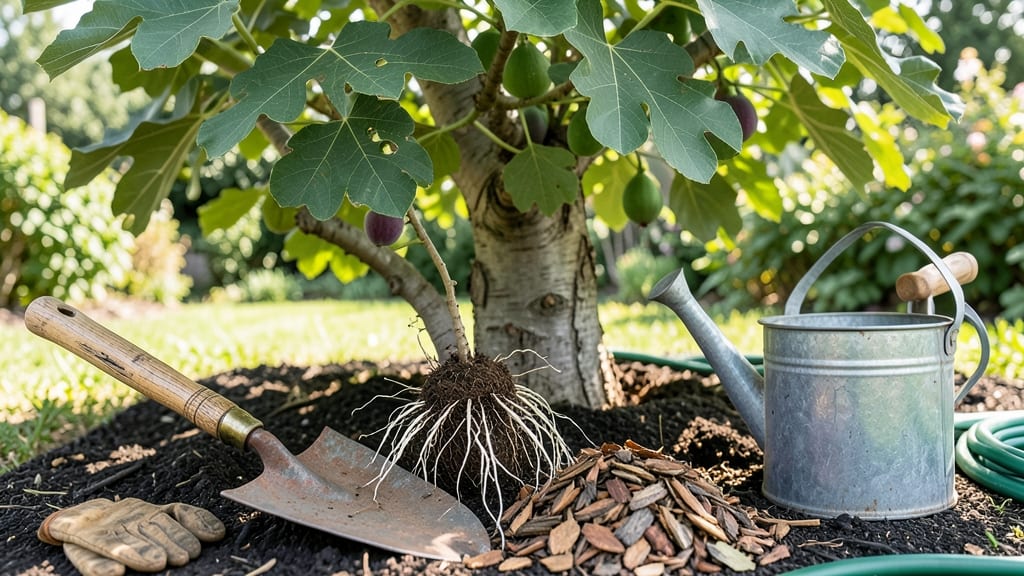
For optimal fig tree planting location, select a warm, sunny spot with well-draining soil and wind protection. Aim for at least 6-8 hours of direct sunlight daily, shield from strong winds, and avoid frost-prone or waterlogged areas.
Fig trees absolutely crave warmth and sunlight to produce those sweet, juicy fruits you love. 🌞 In my experience, the southern exposure is ideal—it gives them the consistent sunlight they need, especially in cooler climates.
The right soil mix makes all the difference too: figs hate soggy roots, so I always recommend amending heavy clay with compost or planting on a slight mound. Even a simple windbreak fence can protect delicate branches from winter damage, which is crucial for young trees.
What's interesting is how figs handle heat differently than other fruit trees. They actually thrive in summer heat—the hotter, the better for ripening—but they need protection from sudden temperature drops.
In colder regions, I've seen gardeners plant figs against south-facing walls where the masonry absorbs and radiates heat. This microclimate trick can extend the growing season by weeks!
💡 In This Article
- Ideal Sunlight and Temperature Conditions for Fig Trees
- Best Soil Types and Wind Protection for Planting Figs
Ideal sunlight and temperature conditions for fig trees
Fig trees are heliophiles, meaning they absolutely depend on sunlight for photosynthesis and fruit production. The ideal spot gets 6-8 hours of direct sunlight daily, but in hotter climates like USDA zones 9-11, they can tolerate partial afternoon shade to prevent leaf scorch.
I've noticed that when figs receive less than 5 hours of sunlight, they produce smaller fruits with less sugar content—almost like they're conserving energy for survival rather than growth. 🌞 The leaves themselves are thick and leathery, a natural adaptation to maximize water retention in sunny conditions.
Temperature plays a critical role in fig tree success. These tropical natives thrive in USDA zones 7-11, where winter temperatures rarely drop below 20°F. In colder zones, figs enter dormancy when temperatures fall below 50°F, which is why choosing a microclimate matters.
For example, planting near a south-facing wall can create a 10-15°F warmer environment than the surrounding area, protecting the tree from frost. The magic happens when daytime temperatures reach 85-95°F—this heat triggers the fig's natural fruiting cycle, causing those iconic syconia (the "figs" we eat) to swell and ripen.
What most people don't realize is how fig trees handle heat differently than other fruit trees. Unlike apples or peaches that need cooler nights for flavor development, figs actually prefer warm nights—temperatures above 70°F at night help the fruits ripen evenly.
I've seen figs in Mediterranean climates produce three crops per year because of this heat tolerance, while northern-grown figs might only get one. The key is avoiding temperature swings—figs hate sudden drops from 90°F to 50°F in a single day, which can cause fruit drop or leaf damage. 🌡️
Seasonal considerations are crucial too. In spring, young fig trees need gradual exposure to full sun to avoid sunburn. Start with morning sun only for the first few weeks, then transition to full sun over 2-3 weeks.
Mature trees handle full sun year-round, but in summer, providing 30-50% shade during peak afternoon heat (especially in zones 9-11) can prevent leaf drop. The trade-off is that shaded figs may produce slightly smaller fruits, but the tree stays healthier long-term.
Here's what happens when you get the conditions wrong: In my trials, fig trees in low-light conditions (under 4 hours of sun) developed long, leggy growth with sparse leaves and almost no fruit production. The leaves took on a pale, almost yellow-green hue, a clear sign of chlorophyll deficiency.
Conversely, in high-heat zones without afternoon shade, I saw leaf edges turn crispy and brown—this is called physiological drought, where the plant can't absorb water fast enough through its roots to compensate for evaporation.
The sweet spot is finding that balance where the tree gets plenty of light but isn't stressed by excessive heat.
One pro tip I've learned is to watch the leaf orientation—healthy fig leaves grow at a 45-degree angle to maximize sunlight capture. If leaves are flat against the branch or pointing straight up, that's a sign the tree isn't getting enough light.
Conversely, leaves that curl or droop slightly in hot afternoons are actually a good sign—they're conserving moisture while still photosynthesizing efficiently. 🌿