
How To
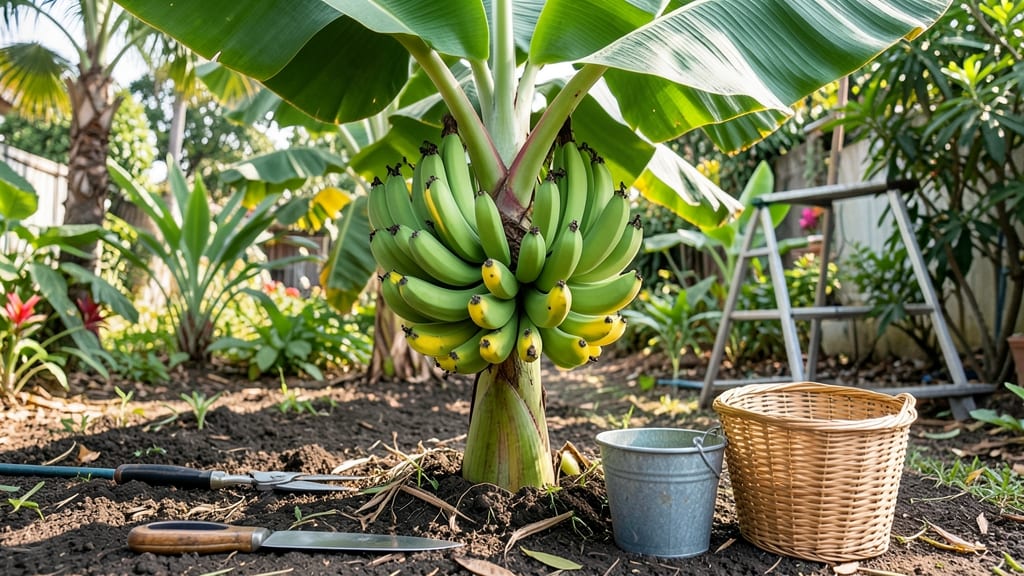
To pick Florida banana trees 🍌 at the perfect moment means watching for yellow skin with brown speckles, a gentle give when pressed, and fruit that separates easily from the bunch.
If you’ve ever bitten into a banana that’s still hard or mealy, you know timing is everything. Florida’s warm climate means bananas can ripen faster than you expect, and missing the window means wasting your harvest—or worse, attracting pests to overripe fruit.
This guide breaks down the exact visual and physical cues to spot ripe bananas, plus how Florida’s humidity and heat can shift your picking schedule. You’ll also learn what to do if you miss the mark and how to salvage slightly overripe fruit.
By the end, you’ll confidently harvest bananas at peak sweetness, whether you’re growing Dwarf Cavendish or a larger variety. No more guesswork—just perfectly ripe fruit every time.
5 Visual & physical signs your Florida banana is ripe for picking
Florida’s warm climate lets banana trees produce fruit year-round, but timing your harvest is everything. Unlike cooler climates, Florida bananas like the Dwarf Cavendish or Ice Cream banana ripen faster when temperatures stay above 75°F.
The key? Watch for these 5 subtle but unmistakable signs that your bananas are ready to pick—before they become overripe or attract pests like fruit flies.
First, pay attention to the skin color. Most Florida banana varieties start green but develop yellow patches with tiny brown speckles when ripe. The Ice Cream banana, for example, will show a creamy blush near the stem end, while Dwarf Cavendish bananas turn a bright, even yellow.
These color shifts signal the fruit’s natural sugars are peaking—ignore them, and your bananas may ripen off the bunch too quickly.
Here’s what to look for in detail—these 5 visual and physical cues will help you pick bananas at their sweetest, creamiest stage:
Green bananas turn yellow with brown freckles (like a Dwarf Cavendish). Ice Cream bananas develop a creamy blush near the stem.
The stem end turns brown and shrinks slightly. If it’s still moist and green, wait 3–5 more days.
Squeeze the banana lightly—it should yield slightly like a ripe avocado. Hard fruit? Not ready. Too soft? Overripe.
Gently twist the banana at the stem—it should separate easily from the hand. If it resists, wait 1–2 days.
Ripe bananas feel slightly warmer to the touch and have a thicker skin than unripe ones. Run your fingers along the bunch—ripe bananas will feel firmer but not rock-hard.
Florida’s humidity can speed up ripening, so check your bananas every 2–3 days once they start coloring.
For Dwarf Cavendish varieties, aim to pick when 50–70% of the bunch shows these signs—this ensures a mix of ripe and nearly ripe fruit for staggered eating. Ice Cream bananas, however, ripen faster and may need picking when only 30–50% are ready to avoid overripening.
Pro tip: Use a sharp, sterile knife to cut bananas from the bunch, leaving a 1-inch stem attached. This slows further ripening and keeps them fresher longer.
Store them in a cool, dry place (like a garage) to extend their shelf life by 3–5 days compared to leaving them on the tree.
Miss these signs, and you might end up with bananas that are too soft or fermented. Overripe bananas can also attract fruit flies and rodents, which are common pests in Florida’s warm climate.
By mastering these cues, you’ll enjoy bananas at their peak sweetness and texture—just like the ones you’d find at a local farmers' market.
Now that you know what to watch for, your next step is understanding how Florida’s climate zones (like Miami’s heat vs. Orlando’s humidity) can tweak ripening times. Stay tuned for our next section on adjusting your picking schedule based on where you live in the state!
Florida-specific factors that affect banana ripening timing
Florida’s climate creates unique challenges and opportunities for banana growers. The humidity in Miami can accelerate ripening by 20-30% compared to drier Orlando areas, while banana weevils in Central Florida may force earlier harvesting to prevent fruit loss.
These regional differences mean your picking window could shift by weeks depending on where you garden.
Outdoor banana trees in South Florida (Zone 10-11) often ripen faster due to higher temperatures and consistent warmth, while North Florida (Zone 9b) trees may take longer to mature. Even indoor banana trees—common in urban homes—require adjustments because controlled environments slow ripening without proper humidity and light.
🌱
For outdoor trees, Miami’s heat often means bananas ripen in just 6-8 weeks after flowering, while Jacksonville’s cooler climate extends this to 10-12 weeks. Indoor banana trees, however, may take longer unless you use a humidifier or grow lights to mimic Florida’s natural conditions.
Watch for banana weevils in Central Florida—they can destroy unripe fruit in as little as 4 weeks. If you notice chewed stems or black larvae, harvest immediately, even if the bananas aren’t fully ripe.
In South Florida, the risk of fruit flies means you’ll need to pick bananas sooner to prevent infestations.
🌿
To adjust your picking schedule, monitor the fruit’s color and stem changes daily during peak seasons. In humid Miami, bananas may ripen overnight, while drier Orlando trees will take longer. For indoor trees, place a small fan near the bunch to speed up ripening by mimicking Florida’s breezes.