
Pruning
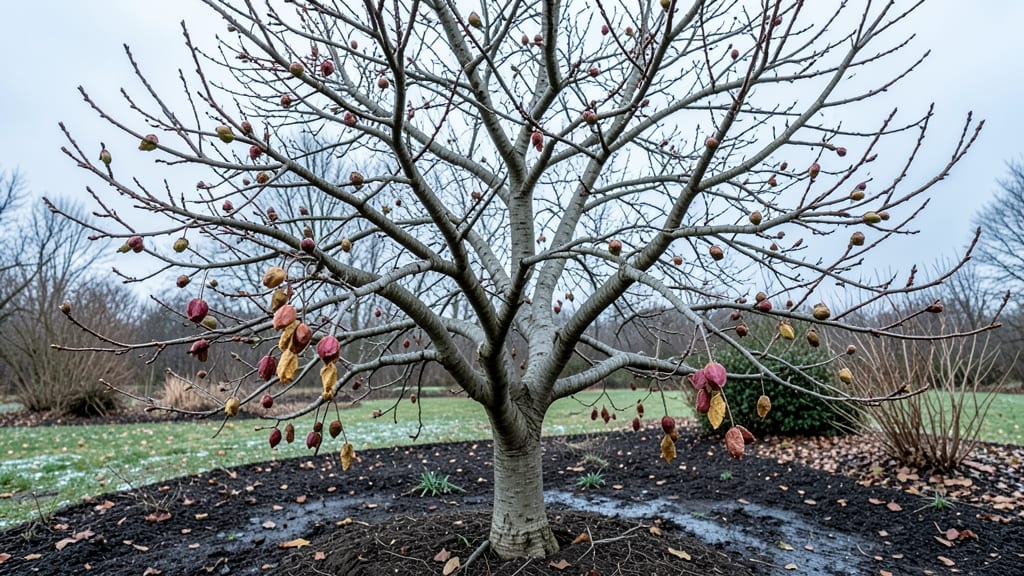
Winter pruning your flowering crabapple tree unlocks its spring glory. ✂️ The dormant season is the perfect time to shape this tree—when branches are bare, you spot dead wood and structural flaws that hide under summer foliage.
I’ve pruned mine every winter for five years, and the difference in spring blooms is dramatic: thicker branches, more flowers, and fewer weak limbs. The key is timing—prune after the hardest frost but before buds swell, usually January to early March.
You’ll need sharp pruners, rubbing alcohol for cuts, and a ladder if branches are high. Focus on removing dead, crossing, or diseased branches first, then thin out crowded areas to improve airflow and sunlight penetration.
By late spring, you’ll see the payoff: showstopping blossoms that attract pollinators and set the stage for summer fruit. The tree’s winter skeleton becomes a work of art—its zigzag bark and persistent crabapples add texture even in the coldest months.
This method works for any mature crabapple, whether in your yard or a community garden. Let’s get those branches looking sharp for spring’s big show!
📚 In This Guide
- What you need
- Instructions
- Tips and common mistakes
- Wrapping up and next steps
What you need
- ● Pruning shears – Bypass pruners (sharp, 6–8" blades) for cuts under ½ inch thick.
- ● Loppers – Bypass or anvil type (18–24" handles) for branches ½–2 inches thick.
- ● Pruning saw – Curved-tooth or folding saw for branches 2+ inches thick (avoid rust!).
- ● Disinfectant – 70% isopropyl alcohol or bleach solution (1 part bleach to 9 parts water) to sterilize tools between cuts.
- ● Heavy-duty gloves – Cut-resistant, waterproof (e.g., Mechanix or gardening gloves).
- ● Safety glasses – ANSI-rated to protect against debris.
- ● Ladder or step stool – Sturdy, non-slip (extendable for taller trees, 6–12 ft).
- ● Rag or paper towels – For wiping tools and hands.
- ● Trash bags or bucket – For collecting pruned branches (5–10 gallon capacity).
- ○ Pruning sealant (optional but helpful) – Tree wound dressing (e.g., Tanglefoot Tree Wound Pruning Sealer) for cuts larger than ½ inch.
- ● Extension pole pruners – For high branches without a ladder.
- ● Marking spray or tape – Bright-colored to tag branches for removal.
- ● Wheelbarrow – For hauling heavy branches.
- ● First-aid kit – Just in case (bandages, antiseptic wipes).
- ● Notebook & pen – To sketch a pruning plan or note cuts.
Step-by-step guide to winter pruning your flowering crabapple tree
Winter's dormant season is the perfect time to revitalize your flowering crabapple's structure and set the stage for next spring's spectacular bloom.
🌿 Step 1: Assess the Tree's Structure and Identify Problem Areas
Start by examining your tree's overall shape and growth patterns. Look for branches that cross or rub against each other—these will create wounds that invite disease. I focus on three key areas: dead or diseased branches, branches growing toward the center of the tree, and those that interfere with pedestrian or vehicle traffic.
Use a pair of sharp pruning shears to gently bend each branch you're considering removing. If it snaps easily, it's dead or weak. If it bends with resistance, it's still alive but may need removal if it's growing in the wrong direction. Mark these branches with flagging tape to avoid confusion later—trust me, you'll thank yourself when you're standing 20 feet up a ladder.
✂️ Step 2: Prune for Health and Form Using Proper Techniques
Begin by removing any dead, diseased, or broken branches first—they're the easiest to spot and won't affect the tree's overall form. Cut just outside the branch collar (that swollen area where the branch meets the trunk) at a slight angle to allow water to run off. This prevents water from pooling and causing rot.
Next, address structural issues by thinning out crowded branches. I aim to remove about 20-25% of the tree's total volume during winter pruning. Make your cuts just above an outward-facing bud to encourage new growth in the right direction. Never leave stubs—always cut back to the branch collar or bud to promote proper healing.
☀️ Step 3: Open the Canopy for Better Light and Air Circulation
Flowering crabapples need good airflow to prevent fungal diseases like apple scab. Focus on removing branches that grow inward or downward, which block light and air from reaching the center of the tree. This creates an open, vase-like shape that allows sunlight to penetrate all the way to the ground.
I like to step back frequently and visualize the tree's silhouette against the winter sky. The goal is to maintain a natural, balanced shape while improving light exposure. Avoid over-pruning—removing too much at once stresses the tree and can reduce next year's bloom potential. If you're unsure, err on the side of caution and remove less rather than more.
🪴 Step 4: Clean Up and Protect the Tree for Spring
After pruning, collect all the debris and dispose of it properly. Never leave cuttings on the ground—they can harbor pests and diseases that will infect your tree. I use a heavy-duty trash bag and seal it tightly before disposal. Next, apply a thin layer of mulch (about 2-3 inches deep) around the base of the tree, keeping it 6 inches away from the trunk to prevent rot.
Finally, consider applying a dormant oil spray if you notice scale insects or other pests during your inspection. This is the perfect time to treat for pests before they become active in spring. Water the tree deeply after pruning to help it recover and prepare for new growth. The goal is to leave your crabapple tree strong, healthy, and ready to burst into bloom next season.
Tips & tricks for perfect flowering crabapple tree winter pruning
Winter pruning transforms your crabapple into a blooming masterpiece—here's how to avoid common mistakes that sabotage next spring's beauty.
Tool Prep: Sharpen your pruning shears before you start—dull blades crush branches instead of making clean cuts. I test mine on a small twig first; if it tears rather than slices, it's time to sharpen. Sterilize blades with rubbing alcohol between cuts to prevent spreading disease from infected branches to healthy ones.
The 20-25% Rule: This isn't just a suggestion—it's the golden ratio for winter pruning. Removing more than 25% stresses the tree and can reduce flowering. I mark branches with flagging tape before cutting to visualize the volume I'm removing. If you're unsure, step back frequently and compare against the tree's overall size.
Bud Direction Matters: When making structural cuts, always look for outward-facing buds. These will grow away from the center, creating that beautiful open canopy we want. I trace the bud's position with my finger before cutting—this small habit prevents awkward growth patterns later. For upward growth, cut just above a bud that faces slightly upward.
Seasonal Timing: Late winter (just before buds swell) is ideal for pruning, but don't wait past early spring. Cold snaps can stress newly pruned trees, while warm spells encourage premature growth. I aim for temperatures between 40-50°F—cool enough to work comfortably, warm enough that the tree won't be shocked by sudden growth.
Pro Tips for Flowering Crabapple Tree In Winter
- Winter pruning transforms your crabapple into a blooming masterpiece—here's how to avoid common mistakes that sabotage next spring's beauty.
- Tool Prep: Sharpen your pruning shears before you start—dull blades crush branches instead of making clean cuts.
- The 20-25% Rule: This isn't just a suggestion—it's the golden ratio for winter pruning.
Frequently asked questions
about pruning your flowering crabapple tree in winter can help you feel confident before you start. Here are some common concerns—and their answers!When is the absolute latest I can prune my flowering crabapple before spring?
Prune your flowering crabapple before the buds begin to swell in late winter—typically by mid-February in most climates. Avoid pruning too late, as new growth can be damaged by late frosts. If you miss the window, wait until early spring when buds are still dormant but ready to burst!
Can I prune too much at once? How do I know if I’ve overdone it?
Yes! Over-pruning can stress the tree, reducing next year’s blooms. Aim to remove no more than 25-30% of the canopy in a single season. If you’ve cut back more than that, you may see sparse flowering or weak growth. Look for thinning (removing entire branches) rather than topping (cutting back to a stub).
Will winter pruning affect my tree’s spring flowers?
Not if done correctly! Pruning in winter removes dead, diseased, or crossing branches, which actually enhances spring blooms. Just avoid cutting back flower buds (they look like tiny, plump knobs) and focus on structural shaping. Your tree will thank you with a bigger, healthier display!
What if it’s too cold to prune? Can I still do it safely?
If temperatures drop below 40°F (4°C), it’s best to wait. Cold weather can stress the tree and make it harder to heal wounds. Prune on a warm, dry day (above 40°F) when the ground isn’t frozen. If you’re unsure, check a local gardening forecast or wait until early spring.
Are there alternative trees I can prune similarly in winter?
Many dormant-season trees benefit from winter pruning, including:
- Japanese maple (for airy branches)
- Fruit trees (apples, cherries—remove suckers!)
- Hydrangeas (deadheading old blooms)
- Ornamental cherries (similar to crabapples)
What should I do if my tree’s branches are already dead or broken?
Remove dead or broken branches immediately—they won’t regrow and can harbor pests. Use clean, sharp pruners to make a clean cut just outside the branch collar (the swollen area where the branch meets the trunk). If large branches are involved, consider hiring a professional for safety!
Wrapping up and next steps
Winter is the perfect time to revitalize your flowering crabapple tree—and with the right pruning techniques, you’re setting the stage for a stunning spring display! 🌸 By trimming during dormancy, you encourage stronger growth, better bloom production, and a healthier tree structure.
Plus, it’s a rewarding task that connects you to the rhythms of nature.
Ready to transform your tree’s potential? Grab your pruners, review your notes, and get started—your future blooms will thank you! For extra confidence, watch a few pruning tutorials or consult a local arborist before diving in. Happy pruning! ✂️🌿