
Pruning
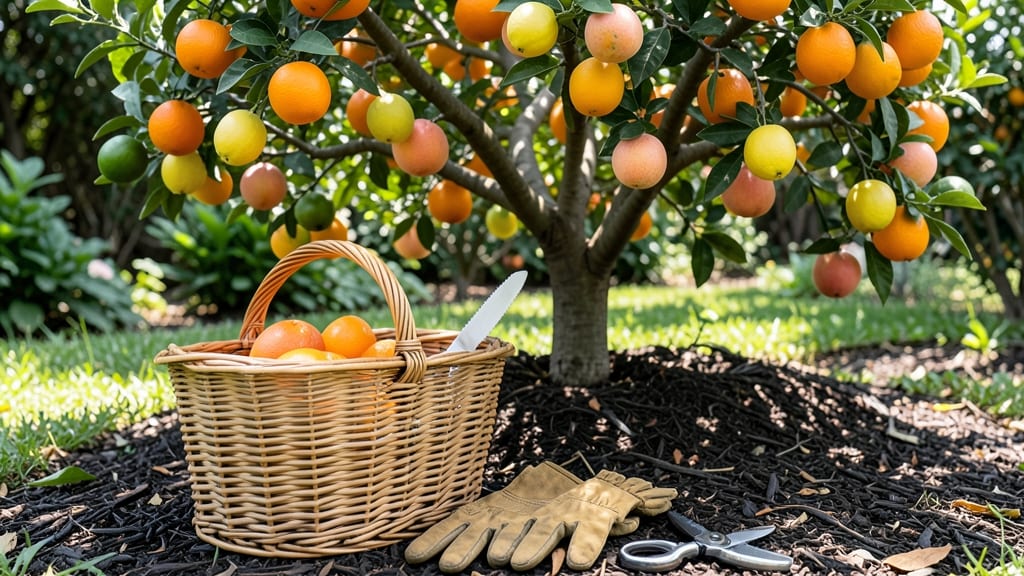
California's fruit salad tree concept turns your yard into a year-round harvest hub by strategically combining fruit varieties on a single tree. 🌿 I first tried this after my neighbor's lemon tree bore fruit for only three weeks—now I'm harvesting peaches, plums, and citrus all season long.
The magic happens with careful pruning and grafting to blend compatible varieties. Think figs with grapes, apples with cherries, or citrus with berries—California's mild winters and long growing season make this possible. Start with dwarf rootstock for easier management, and space trees 10-15 feet apart for airflow and sunlight.
By summer, you'll be picking ripe fruit every few weeks instead of waiting for one big harvest. The trees stay compact, produce more efficiently, and resist pests better than single-variety options. My lemon-lime-quince tree alone gives me fresh fruit from May through October.
California's biggest challenge? Water management—drip irrigation keeps roots happy without waste. Add mulch to retain moisture, and you've got a low-maintenance, high-reward system that works in any backyard, from coastal to desert climates.
Root Causes Behind Failing Trees
If your fruit salad tree in California isn’t thriving—or worse, is struggling to produce a bountiful harvest—understanding the underlying causes is key to reviving it. California’s unique climate, soil conditions, and gardening challenges can create specific hurdles.
Below, we break down the most common reasons why these trees fail to flourish, along with the science behind them.
California’s diverse soil types—from sandy coastal soils to heavy clay in inland regions—can drastically affect your tree’s health. Fruit salad trees (often grafted hybrids like citrus, figs, or stone fruits) thrive in well-draining, nutrient-rich soil with a slightly acidic to neutral pH (6.0–7.0).
If your tree is struggling, soil issues are likely the culprit.
- Compacted or Waterlogged Soil:
Heavy clay soils retain too much moisture, suffocating roots and promoting fungal diseases like Phytophthora. Sandy soils, common in coastal areas, drain too quickly, depriving roots of essential nutrients.
Fix it: Amend soil with organic matter (compost, aged manure) to improve structure. For clay, mix in perlite or coarse sand. For sandy soil, incorporate peat moss or coconut coir.
- Nutrient Imbalances:
California’s Mediterranean climate accelerates nutrient depletion. Trees may show signs of deficiency—yellowing leaves (iron/chlorosis), stunted growth (nitrogen), or poor fruiting (phosphorus/potassium). Citrus trees, for example, are particularly prone to iron deficiency in alkaline soils.
Fix it:
- Test soil pH (aim for 6.0–7.0 for most fruit trees). Use chelated iron or sulfur to lower pH if needed.
- Apply a balanced fertilizer (e.g., 6-6-6 or 10-10-10) in early spring, followed by a potassium-rich boost (like banana peel tea) before fruiting.
California’s intense sun, heatwaves, and seasonal droughts can push even hardy fruit salad trees to their limits. Poor adaptation to these conditions often leads to leaf scorch, reduced flowering, or fruit drop.
- Heat & Drought Stress:
Temperatures exceeding 90°F (32°C) for prolonged periods cause physiological drought, where trees can’t absorb water fast enough. This leads to:
- Wilting leaves (even when soil is moist)
- Premature fruit drop
- Sunburned bark (common in thin-skinned varieties like peaches)
Fix it:
- Mulch heavily (3–4 inches of wood chips or straw) to retain moisture.
- Water deeply 2–3 times per week during heatwaves (early morning or evening).
- Use shade cloth (30–50%) for young trees or delicate varieties.
- Frost & Cold Damage:
While most fruit salad trees are frost-sensitive, unexpected late frosts (common in inland valleys like the Central Valley) can kill blossoms before they set fruit. Even 28°F (-2°C) can damage tender varieties like lychee or longan.
Fix it:
- Plant in microclimates (e.g., near south-facing walls or against buildings).
- Use row covers or frost cloth for young trees during late spring.
- Choose cold-hardy grafted varieties (e.g., ‘Satsuma’ mandarins or ‘Improved Meyer’ lemons).
Pruning is both an art and a science—do it wrong, and your tree can suffer from poor air circulation, disease entry points, or excessive stress. Common errors include:
- Over-Pruning or Improper Timing:
Cutting back too aggressively (especially in summer or fall) triggers excessive sap flow and weakens the tree’s ability to store energy for flowering. Heavy pruning in late summer can also delay dormancy, making trees vulnerable to frost.
Fix it:
- Prune dormant season (late winter/early spring) for most trees, or right after harvest for summer-bearing varieties.
- Remove no more than 25% of foliage in a single session.
- Poor Cutting Technique:
Leaving stubs or making tear-out wounds creates entry points for pests (e.g., Xylella fastidiosa, which causes citrus leaf blight) and diseases. Improper cuts can also lead to suckering (unwanted shoots) or dieback.
Fix it:
- Use clean, sharp pruners and make cuts just outside the branch collar (the swollen area where the branch meets the trunk).
- Avoid topping (cutting the main stem flat)—this encourages weak, vertical growth.
California’s warm, dry climate doesn’t mean pests and diseases are absent—in fact, invasive species and fungal pathogens thrive in the state’s Mediterranean ecosystem. Common culprits include:
- Scale Insects & Aphids:
These sap-sucking pests weaken trees by blocking nutrient flow and excreting honeydew (a sticky substance that attracts sooty mold). Citrus and fig trees are particularly vulnerable.
Fix it:
- Spray with neem oil or insecticidal soap during early pest stages.
- Introduce beneficial predators like ladybugs or lacewings.
- Fungal Diseases (Anthracnose, Powdery Mildew):
High humidity (even in dry climates during coastal fog seasons) and poor air circulation create ideal conditions for fungal spores. Symptoms include:
- White powdery patches (powdery mildew)
- Dark, sunken lesions on leaves/fruit (anthracnose)
Fix it:
- Prune to improve airflow (remove dense, crossing branches).
- Apply copper fungicide or baking soda spray (1 tbsp baking soda + 1 gallon water + a drop of dish soap) preventatively.
Revitalize Your Fruit Salad Tree
Reviving a struggling fruit salad tree in California—whether it’s a citrus grove, avocado orchard, or mixed fruit orchard—requires a mix of targeted care and smart pruning. Below, we’ll tackle the most common issues with practical fixes and prevention tips to keep your tree thriving year-round. 🌿✂️
Cause: Overcrowded branches, improper pruning, or nutrient deficiencies. Fix:
- Thin Out Branches 🌿: Remove 10-20% of old wood to improve airflow and sunlight exposure. Focus on crossing or weak branches first.
- Fertilize Smartly 🌱: Use a balanced citrus/avocado fertilizer (10-10-10 or organic compost) in early spring. Avoid over-fertilizing—too much nitrogen reduces fruit quality.
- Hand-Pollinate 🐝: If your tree lacks bees, gently shake branches during bloom or use a small brush to transfer pollen.
Prevention: ✔ Prune in late winter (before buds swell) to avoid stressing the tree. ✔ Mulch heavily (3-4 inches) to retain moisture and nutrients. ✔ Monitor soil pH (6.0-7.0 ideal for most fruit trees)—test annually.
Cause: Overwatering, underwatering, or micronutrient deficiencies (iron, zinc, or magnesium). Fix:
- Check Watering Habits 💧:
- Too much water? Let soil dry 2-3 inches deep between waterings.
- Too little? Deep water 1-2 times per week (more in summer heat).
- Apply Chelated Nutrients 🧪:
- Iron deficiency (yellow leaves with green veins)? Use iron sulfate or Epsom salt (1 tbsp/gallon of water).
- Magnesium deficiency (yellow patches between veins)? Sprinkle Epsom salt around the base (follow package rates).
Prevention: ✔ Water at the base (avoid wetting leaves to prevent fungal diseases). ✔ Use drip irrigation for consistent moisture without runoff. ✔ Avoid heavy clay soil—amend with compost or sand if drainage is poor.
Cause: Aphids, scale insects, or citrus leaf miners weakening the tree. Fix:
- Manual Removal 🪰:
- Aphids/Scale: Spray with soapy water (1 tsp mild soap per quart of water) or neem oil (1% solution).
- Leaf Miners: Prune infested leaves and destroy them (don’t compost!).
- Beneficial Insects 🐝: Introduce ladybugs or parasitic wasps (available at garden centers).
- Horticultural Oil 🛡️: Apply in early spring (before pests emerge) to smother eggs.
Prevention: ✔ Inspect trees weekly during growing season. ✔ Encourage biodiversity—plant marigolds or basil nearby to repel pests. ✔ Avoid broad-spectrum pesticides—they kill beneficial insects too.
Cause: California’s summer heat can scorch leaves and reduce fruit set. Fix:
- Shade Cloth ☀️: Install 30-50% shade cloth for young trees or during heatwaves.
- Mulch Thickly 🌿: Use wood chips or straw (4+ inches deep) to insulate roots.
- Mist Leaves 💦: Lightly mist early morning to cool the canopy (avoid evening misting to prevent fungal growth).
Prevention: ✔ Plant heat-tolerant varieties (e.g., ‘Carrizo’ citrus, ‘Hass’ avocado). ✔ Water deeply in early morning to reduce evaporation. ✔ Avoid pruning in peak heat—wait for cooler months.
Cause: Humid conditions, poor airflow, or contaminated pruning tools. Fix:
- Prune for Airflow 🌬️: Remove suckers and dense growth to reduce humidity near the canopy.
- Copper Fungicide 🛡️: Spray preventatively in spring (follow label rates).
- Sterilize Tools 🔪: Clean pruners with rubbing alcohol between cuts to prevent spreading diseases like citrus canker.
Prevention: ✔ Remove fallen leaves/fruit promptly to eliminate spores. ✔ Space trees properly (15-20 ft apart for citrus, 25+ ft for avocados). ✔ Avoid overhead watering—use drip or soaker hoses.
Cause: Root rot, girdling roots, or soil compaction. Fix:
- Aerate the Soil 🏗️: Use a manual aerator or deep fork to loosen compacted soil.
- Root Pruning ✂️: If roots are circling, prune 1-2 inches of roots in a trench around the drip line.
- Mycorrhizal Fungi 🍄: Apply mycorrhizal inoculant to boost root health and nutrient uptake.
Prevention: ✔ Test soil drainage—amend with sand or perlite if needed. ✔ Avoid heavy foot traffic near the tree base. ✔ Plant deep-rooted companions (e.g., comfrey) to improve soil structure.
🔥 Prune in Stages: Heavy pruning can shock trees—space cuts over 2-3 years for large orchards. 🌡️ Monitor Microclimates: Coastal areas vs. inland valleys have different needs—adjust care accordingly. ✨ Harvest Strategically: Pick fruit when fully ripe (but not overripe) to encourage next year’s yield. 📅 Calendar Check: Follow a California-specific pruning schedule (e.g., citrus in late winter, avocados in summer).
By addressing these issues proactively, your fruit salad tree will reward you with bountiful, healthy harvests all year. 🍉🍇🍊 Need a deeper dive? Check out our California-specific pruning guide for seasonal timelines!
Frequently asked questions
1What's the best fruit combination for a California fruit salad tree?
California's mild climate works perfectly for citrus-based combos like lemon-lime-quince or orange-tangerine-grapefruit. For extended harvests, try fig-peach-apricot or persimmon-pomegranate. Always choose varieties with similar water needs and sunlight requirements to avoid stressing the tree.
2How long does it take for a fruit salad tree to bear fruit?
With proper care, most grafted fruit salad trees produce fruit within 2-3 years after planting. Dwarf varieties may fruit even sooner (1-2 years). Patience is key—young trees need time to establish roots before focusing on fruit production. Regular pruning helps direct energy toward fruiting branches.
3Can I grow a fruit salad tree in containers?
Yes! Use large containers (15+ gallons) with drainage holes and quality potting mix. Dwarf rootstock varieties work best. Place containers in full sun and water regularly—container-grown trees dry out faster. Just remember to fertilize monthly during growing season and repot every 2-3 years to refresh the soil.
4What's the best time to prune a California fruit salad tree?
For most varieties, prune during late winter/early spring (before buds swell) or right after harvest. Avoid heavy pruning in summer—it stresses trees during peak heat. Focus on removing dead wood, crossing branches, and shaping the tree. Never prune more than 25% of foliage in one session.
5How do I prevent fruit drop in my California fruit salad tree?
Fruit drop often occurs from inconsistent watering or nutrient deficiencies. Maintain even moisture with drip irrigation and fertilize with potassium-rich supplements before flowering. Thin overloaded branches to reduce stress. For citrus trees, ensure soil pH stays between 6.0-7.0 to prevent iron deficiency.