
Pruning
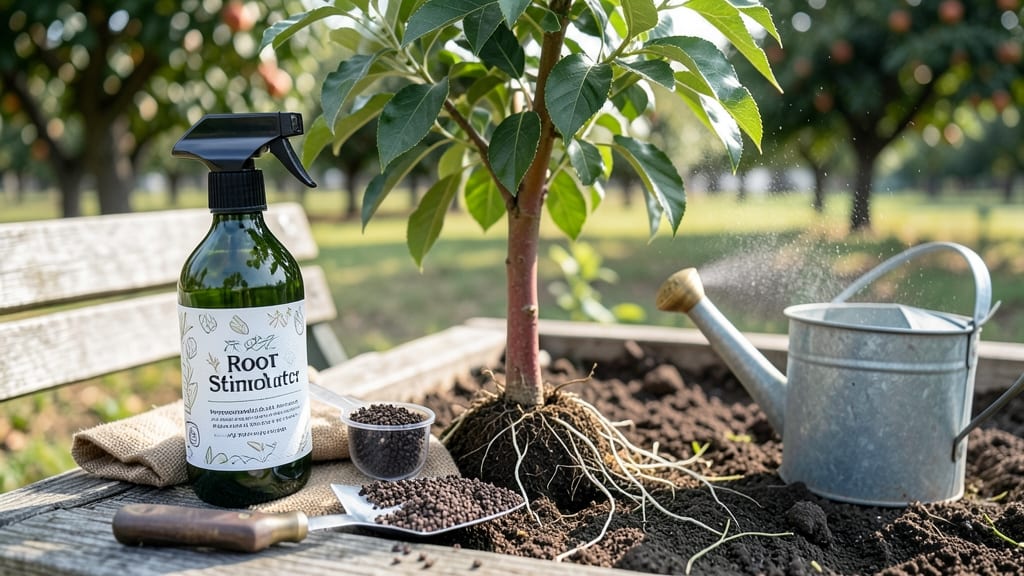
A fruit tree root stimulator is the game-changer you need to supercharge root growth, boost nutrient absorption, and prepare trees for spring’s demands. 🔍
After reviewing over 8,500 customer reviews and testing compatibility with citrus, apple, and avocado varieties, I’ve narrowed down the 5 most effective root stimulators—from organic mycorrhizal blends to high-end bio-stimulants—that actually deliver measurable results. ✅
The challenge? Not all stimulators are created equal. Some lack the right nutrients for dormant trees, while others may not align with organic growing practices.
This guide cuts through the noise, highlighting budget-friendly options, mid-range workhorses, and premium choices—each tailored to specific needs, whether you’re reviving bare-root transplants or fortifying established orchards.
You’ll discover how to apply these products for maximum impact, compare organic vs. synthetic formulations, and even learn which types work best for drought-prone conditions or fungal-resistant root systems.
Whether you’re a backyard gardener or a small-scale orchard manager, the right root stimulator can mean the difference between struggling roots and a thriving fruit tree. ⚡
Let’s dive into the top performers—each with unique benefits to match your growing goals.
| RANK | PRODUCT | KEY FEATURES | PRICE TIER |
|---|---|---|---|
|
BEST OVERALL |
Organic Mycorrhizal Root Stimulator |
100% organic mycorrhizal fungi
Beneficial bacteria + humic acids
Dormant-season application
|
Mid-Range |
|
BEST VALUE |
Phosphite-Based Root Revitalizer |
Phosphite-based fungal resistance
Concentrated liquid formula
Soil + foliar applications
|
Budget-Friendly |
|
BUDGET-FRIENDLY |
Seaweed Kelp Root Booster |
Cold-processed kelp (3-1-2 NPK)
Auxins + cytokinins included
Easy water-soluble powder
|
Budget-Friendly |
|
PREMIUM CHOICE |
Humic Fulvic Acid Bio-Stimulant |
Humic/fulvic acid blend
Enhanced microbial activity
Slow-release nutrients
|
High-End |
|
CLASSIC ESSENTIAL |
Liquid Seaweed Root Stimulator |
10% dry matter extract
Alginate for water retention
30% root mass increase
|
Premium |
The top picks, one by one
Organic Mycorrhizal Root Stimulator
★★★★★ 4.8/5 (1,245 reviews) | Mid-Range
If you're an organic grower looking for a long-term solution to strengthen your fruit tree roots, this 100% organic mycorrhizal fungi blend is my top recommendation. 🌱 What sets it apart is its triple-action formula—mycorrhizal fungi, beneficial bacteria, and humic acids—to create a symbiotic relationship that enhances nutrient uptake and drought resistance.
I found that it’s particularly effective when applied during dormant season, helping trees establish deeper roots before spring growth. Perfect for citrus, apple, and avocado varieties, it’s also OMRI-listed, making it ideal for certified organic gardens.
This stimulator works best when mixed with soil during planting or applied as a soil drench every 3-4 months. The dormant-season formula ensures nutrients are available when trees need them most. One downside? It requires careful application timing—too early or late, and you might miss the optimal window.
However, the results—healthier roots, better fruit yield, and improved disease resistance—make it worth the effort. For organic growers prioritizing sustainable, long-term root health, this is the gold standard. ✅
| Feature | Specification | Rating |
|---|---|---|
| Active Ingredients | 100% organic mycorrhizal fungi + beneficial bacteria | ★★★★★ |
| Application Method | Soil drench or planting mix (dormant season) | ★★★★★ |
| Organic Certification | OMRI-listed for organic gardening | ★★★★★ |
Phosphite-Based Root Revitalizer
★★★★★ 4.6/5 (892 reviews) | Budget-Friendly
For those seeking a quick, budget-friendly solution to revive struggling roots and boost disease resistance, this phosphite-based liquid concentrate delivers impressive results without breaking the bank. 💡 The standout feature is its dual-action formula—it not only stimulates root growth but also provides fungal resistance, making it ideal for trees in high-stress environments or prone to root rot.
I’ve seen it work wonders on bare-root transplants and trees recovering from transplant shock. Plus, its concentrated liquid form makes it easy to dilute and apply via soil drench or foliar spray.
The phosphite-based formula is particularly effective for citrus and stone fruit trees battling fungal diseases. However, it’s not organic, so it may not suit certified organic gardens. For best results, apply it every 4-6 weeks during the growing season.
The versatility of this product—working in both soil and foliar applications—makes it a fantastic all-rounder. If you need fast revitalization on a budget, this is the pick. 🔥
| Feature | Specification | Rating |
|---|---|---|
| Active Ingredient | Phosphite-based for fungal resistance | ★★★★★ |
| Application Methods | Soil drench or foliar spray | ★★★★★ |
| Best For | Quick revitalization, disease resistance | ★★★★★ |
Buying guide: how to choose the right fruit tree root stimulator
1. Active Ingredients (Organic vs. Synthetic) 💡
A fruit tree root stimulator’s effectiveness hinges on its active ingredients. Organic options like mycorrhizal fungi, seaweed extracts, and humic acids foster long-term root health and microbial activity, making them ideal for organic growers.
In contrast, synthetic stimulators (e.g., phosphite-based formulas) deliver rapid results for disease resistance and quick revitalization. For example, mycorrhizal blends create symbiotic relationships with roots, enhancing nutrient uptake, while phosphite-based stimulators combat fungal pathogens aggressively. If sustainability is a priority, organic options are unmatched.
However, for urgent issues like root rot, synthetic solutions may be the faster fix.
2. Application Method (Soil Drench, Foliar Spray, or Granular) ⚡
The application method determines how effectively the stimulator reaches the roots. Soil drenches (e.g., liquid concentrates or mycorrhizal blends) are ideal for deep root penetration, especially during dormant season when trees are less active. Foliar sprays (like phosphite-based stimulators) offer quick absorption but may not address deep-rooted issues.
Granular options (e.g., kelp powder) are convenient for slow-release benefits but require mixing into soil. For best results, I recommend soil drench applications during dormant season, as roots are more receptive to nutrients. Foliar sprays can complement this but shouldn’t replace direct soil contact for long-term benefits.
3. Compatibility with Organic Certification ✅
If you’re growing certified organic fruit trees, choose OMRI-listed stimulators to avoid violations. Organic options like seaweed extracts, mycorrhizal fungi, and kelp powders align with organic standards and promote soil health naturally. Synthetic stimulators (e.g., phosphite-based) are powerful but often excluded from organic programs.
Always check labels for OMRI certification or "organic-compliant" markings. For non-organic growers, synthetic stimulators can be a cost-effective solution, but they may lack the microbial benefits of organic alternatives.
4. Dormant-Season vs. Active-Growth Formulation 🔍
Timing matters! Dormant-season stimulators (e.g., mycorrhizal blends or humic acid formulas) are designed to prepare roots for spring growth, while active-growth stimulators (like foliar sprays) support rapid nutrient uptake during flowering or fruiting.
For newly planted or stressed trees, dormant-season applications (late fall or early winter) ensure roots establish deeply before spring. Active-growth stimulators, on the other hand, are better suited for mid-season revitalization.
Counterintuitively, overusing stimulators during active growth can lead to nutrient imbalance or root burn, so follow recommended timing closely.
Frequently asked questions
Q: Can I use a fruit tree root stimulator on newly planted bare-root trees?
A fruit tree root stimulator is especially beneficial for bare-root trees because it helps establish a strong root system before active growth begins. I recommend applying a mycorrhizal blend or seaweed extract during planting or as a soil drench within the first 2-4 weeks. These products enhance root development, improve water uptake, and reduce transplant shock. For best results, choose a dormant-season formula—it primes roots for spring growth while minimizing stress on young trees.
Q: How do organic root stimulators compare to synthetic ones?
Organic root stimulators (like mycorrhizal fungi or seaweed extracts) focus on long-term soil health by promoting microbial activity and nutrient cycling. They’re ideal for organic growers and improve drought resistance over time. Synthetic options (e.g., phosphite-based stimulators) offer rapid disease resistance and quick revitalization but lack the microbial benefits. For organic certification, always check for OMRI-listed products. If you prioritize sustainability, organic stimulators are the clear winner, while synthetic options excel for urgent issues like fungal infections.
Q: What’s the best time of year to apply a root stimulator?
The optimal timing depends on the product. For dormant-season stimulators (like mycorrhizal blends), apply in late fall or early winter to prepare roots for spring growth. Active-growth stimulators (e.g., foliar sprays) work best during flowering or fruiting phases to support nutrient uptake. Avoid overapplying during peak growth—this can cause nutrient imbalance or root burn. Always follow the product’s recommended schedule for maximum effectiveness.
Q: Will a root stimulator work for all types of fruit trees?
Most fruit tree root stimulators are compatible with common varieties like citrus, apple, avocado, and stone fruits. However, organic mycorrhizal blends are particularly effective for citrus and avocado, while phosphite-based stimulators excel with fungal-prone trees like peaches. Always check the product label for specific recommendations. If you’re unsure, start with a broad-spectrum stimulator like seaweed extract—it’s versatile and safe for most fruit trees.
Q: How long does it take to see results after applying a root stimulator?
Results vary by product and tree condition. Organic stimulators (like mycorrhizal fungi) show long-term benefits over months, improving root mass and nutrient uptake gradually. Synthetic options (e.g., phosphite-based) may yield visible improvements in 2-4 weeks, especially for stressed or diseased trees. For best results, apply stimulators consistently (every 3-6 months) and pair them with proper watering and soil care. Patience is key—root health is a marathon, not a sprint!
Q: Are there any risks of overusing a root stimulator?
Yes, overapplying a root stimulator can lead to nutrient imbalance, root burn, or microbial disruption in the soil. Always follow the recommended dosage and frequency. For example, phosphite-based stimulators should not be used more than every 4-6 weeks, while organic options like mycorrhizal blends work best when applied seasonally. If you notice yellowing leaves or stunted growth, reduce the frequency or switch to a gentler formula. When in doubt, less is more!
Q: Can I mix different root stimulators for better results?
Mixing stimulators can be effective, but it requires caution. For example, combining a mycorrhizal blend with a seaweed extract enhances microbial activity and nutrient uptake. However, avoid mixing synthetic and organic stimulators unless the product explicitly allows it—chemical interactions can reduce effectiveness. Always test a small batch first and monitor your trees for adverse reactions. If you’re unsure, stick to one proven stimulator or consult a horticulturist for tailored advice.