
Pruning
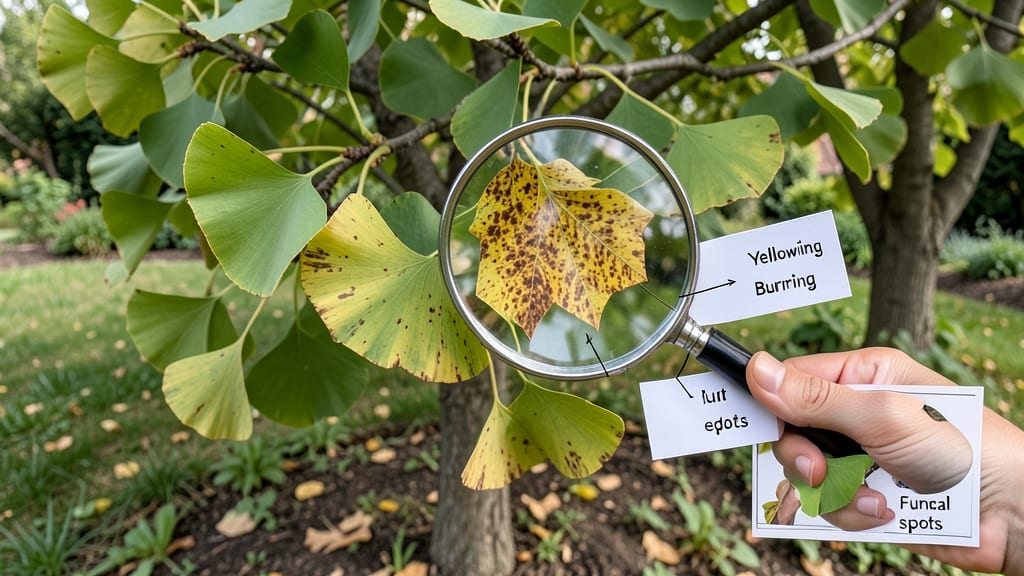
Ginkgo trees develop leaf problems like yellowing, curling, or spotting that can turn your majestic specimen into a sad, bare silhouette. 🌿 I’ve seen it happen—first as subtle discoloration, then full-blown leaf drop—until I learned the early warning signs and fixes.
The key is catching issues before they spread, whether it’s fungal infections, pest invasions, or nutrient stress.
Most problems start with yellowing leaves—a classic sign of nutrient deficiencies (like iron or zinc) or overwatering. Curling leaves often mean spider mites or scale insects sucking sap, while brown spots usually point to fungal diseases like anthracnose.
The good news? Each issue has a targeted fix, from pruning infected branches to applying neem oil or adjusting watering habits.
With the right approach, your ginkgo can bounce back to its glorious golden fall foliage in no time. I’ll walk you through diagnosing symptoms, treating the root cause, and preventing future outbreaks—so you can keep your tree thriving for decades. Let’s get those leaves looking healthy again.
For severe cases, like large-scale dieback or persistent fungal infections, it’s time to call an arborist. But for 90% of common issues, you’ve got this—just follow the step-by-step fixes ahead.
Root Causes Behind Leaf Struggles
Ginkgo trees (Ginkgo biloba) are resilient, ancient survivors—but even they can show signs of distress through leaf issues like yellowing, curling, or spotting. Understanding the why behind these problems is the first step to restoring your tree’s health.
Below, we break down the most common culprits, from environmental stressors to hidden pests, with clear explanations of how they damage leaves.
Ginkgos thrive in full sun and well-drained soil, but extreme conditions—whether heatwaves, drought, or sudden temperature swings—can trigger leaf problems. Here’s how:
- Water Deficiency (Drought Stress):
Ginkgo leaves are fan-shaped and leathery, but they still need consistent moisture. When roots dry out, leaves curl inward (to reduce water loss) and develop brown, crispy edges. This is your tree’s desperation signal—it’s conserving water by shutting down less critical functions.
- Actionable clue: Check soil 2–3 inches deep; if it’s dry, your tree is thirsty.
- Fix: Deep watering (1–2 inches per week) with mulch to retain moisture.
- Excess Moisture (Root Rot Risk):
Ginkgos hate soggy soil. Overwatering or poor drainage forces roots to suffocate, cutting off nutrient flow. Leaves may yellow uniformly (chlorosis) or develop black, mushy spots as fungal pathogens like Phytophthora move in.
- Actionable clue: Yellowing starts at the bottom of the tree (oldest leaves) and moves upward.
- Fix: Improve drainage with sand or gravel, or plant on a slight slope.
- Temperature Shock:
Ginkgos tolerate cold but hate sudden freezes (below 10°F) or late spring frosts. Cold damage causes leaves to blacken or develop white, frost-bitten patches. Heat stress (above 90°F for weeks) leads to bleached, sun-scorched edges.
- Actionable clue: Look for irregular brown patches on leaves exposed to direct afternoon sun.
- Fix: Provide afternoon shade in extreme heat; avoid planting in low-lying areas where cold air pools.
Ginkgos are pest-resistant, but a few troublemakers can still target leaves, sapping nutrients and inviting secondary infections. Here’s what to watch for:
| Pest/Pathogen | Leaf Symptoms | Why It Happens |
|---|---|---|
| Ginkgo Psyllid (tiny yellow insects) | Sticky honeydew on leaves, curled or thickened leaf edges (galls) | These sap-suckers inject toxins, causing leaves to distort and harden. Heavy infestations weaken the tree, making it prone to sooty mold (black fungus). |
| Japanese Beetles (green/gold metallic bugs) | Skeletonized leaves (chewed edges), yellowing between veins | Adult beetles devour leaf tissue, leaving only veins. Larvae attack roots, further stressing the tree. |
| Fungal Leaf Spot (e.g., Cercospora) | Dark brown/black spots with yellow halos, often on lower leaves | Fungal spores thrive in wet, humid conditions. They block stomata (pores), preventing gas exchange and causing premature leaf drop. |
| Spider Mites (tiny red/yellow pests) | Stippling (tiny white/yellow dots), webbing on undersides | These microscopic vampires pierce cells to drink sap, causing chlorotic speckling. Severe cases lead to leaf drop. |
💡 Pro Tip: Inspect leaves undersides with a magnifying glass—pests often hide there! A strong blast of water can dislodge psyllids and mites.
Ginkgos are low-maintenance, but poor soil can starve roots, leading to telltale leaf symptoms. Here’s how to decode the clues:
- Yellowing Between Veins (Chlorosis):
- Cause: Iron or manganese deficiency (common in alkaline soil). These nutrients are immobile in plants, so new leaves show symptoms first.
- Fix: Apply chelated iron (e.g., iron sulfate) or lower soil pH with sulfur.
- Purple/Red Tinge on New Growth:
- Cause: Phosphorus deficiency (often from over-fertilizing with nitrogen). The tree can’t produce enough chlorophyll, so it makes anthocyanins (pigments) as a stress response.
- Fix: Add bone meal or rock phosphate in early spring.
- Small, Pale Leaves with Weak Stems:
- Cause: Nitrogen deficiency (or over-pruning). Nitrogen is the building block of chlorophyll—without it, leaves can’t photosynthesize efficiently.
- Fix: Apply slow-release nitrogen (e.g., blood meal) in early spring.
🔥 Warning: Over-fertilizing can burn roots, causing brown leaf tips or premature drop. Always test soil before adding amendments!
Next, we’ll tackle how to diagnose these issues in your ginkgo—and the step-by-step fixes to bring it back to full, vibrant health. 🌿
Quick Fixes for Ginkgo Tree Leaf Issues
Reviving your ginkgo tree’s vibrant green foliage starts with identifying the root cause—whether it’s nutrient deficiency, pests, disease, or environmental stress. Below are practical, step-by-step solutions tailored to the most common leaf problems, plus prevention tips to keep your tree thriving long-term.
Cause: Iron or zinc deficiency (common in alkaline soils), overwatering, or poor drainage.
How to Treat It: 🔥 Test the Soil
- Grab a soil sample (6 inches deep) and send it to a local extension office for a pH test. Ginkgos prefer slightly acidic to neutral soil (pH 6.5–7.5).
- If pH is above 7.5, amend the soil with elemental sulfur (follow package rates) to lower it gradually.
🍳 Fertilize for Micronutrients
- Iron deficiency? Apply chelated iron fertilizer (like Ironite) in early spring or fall. Water the soil thoroughly after application.
- Zinc deficiency? Use a balanced fertilizer (10-10-10) with added zinc sulfate. Sprinkle around the tree’s drip line and water in.
👨🍳 Improve Drainage
- If your tree is in clay-heavy or compacted soil, mix in compost or organic matter (like peat moss) to aerate the roots.
- Avoid overwatering—ginkgos hate soggy roots! Water deeply 1–2 times per week (adjust for rainfall).
💡 Prevention Tip:
- Mulch properly with 2–3 inches of wood chips (keep mulch 6 inches away from the trunk) to retain moisture and nutrients.
- Avoid heavy-handed nitrogen fertilizers—they can worsen deficiencies by altering soil pH.
Cause: Spider mites, aphids, environmental stress (wind, drought), or fungal infections (like powdery mildew).
How to Treat It: 🔪 Inspect for Pests
- Spider mites? Spray leaves with a strong stream of water to knock them off, then apply neem oil (1 tsp per quart of water) every 7–10 days.
- Aphids? Use insecticidal soap or a hose spray to dislodge them. Repeat weekly until gone.
🌡️ Reduce Environmental Stress
- Wind damage? Plant ginkgos in a sheltered spot or use burlap windbreaks during high-wind seasons.
- Drought stress? Water deeply once a week (more in extreme heat) and mulch heavily to retain moisture.
✨ Treat Fungal Issues
- If leaves have white powdery spots, spray with baking soda solution (1 tbsp baking soda + 1 tsp dish soap + 1 gallon water) or copper fungicide.
- Prune affected branches in late winter to improve airflow.
🎯 Prevention Tip:
- Prune in late winter/early spring to remove dead or weak branches before pests arrive.
- Avoid overhead watering—water at the base to prevent fungal spores from splashing onto leaves.
Cause: Fungal diseases (anthracnose, leaf spot), bacterial infections, or ginkgo’s natural leaf drop (healthy trees shed 30–50% of leaves in fall).
How to Treat It: 📊 Rule Out Natural Shedding
- Ginkgos are deciduous—they drop leaves in fall/winter. If it’s not peak drop season, check for other issues.
💪 Fight Fungal/Bacterial Infections
- Remove infected leaves and sterilize pruners with rubbing alcohol between cuts.
- Apply copper fungicide (like Bonide Copper Fungicide) every 2–3 weeks during wet seasons.
- For bacterial leaf spot, use streptomycin spray (follow label instructions).
🥗 Boost Tree Health
- Fertilize in early spring with a balanced, slow-release fertilizer (like 10-10-10).
- Water consistently—ginkgos hate drought stress, which weakens their defenses.
💡 Prevention Tip:
- Plant ginkgos in full sun (6+ hours/day) to reduce humidity around leaves (fungi love damp conditions).
- Space trees 30+ feet apart for airflow—crowding invites disease.
Final Pro Tip: 🌱 Monitor your ginkgo regularly—catching problems early (like yellowing or curling) means less drastic fixes and a happier tree! Most issues resolve within 4–8 weeks with consistent care.
Frequently asked questions
Why are my ginkgo leaves turning yellow but staying on the tree?
Yellowing leaves that stay attached often signal nutrient deficiencies, especially iron or manganese (common in alkaline soil). Check if the yellowing starts between the veins—this is classic chlorosis. Test your soil pH (ideal: 6.5-7.5) and amend with chelated iron or elemental sulfur if needed. Overwatering can also cause yellowing by suffocating roots.
What should I do if my ginkgo leaves have brown spots with yellow halos?
Those symptoms point to fungal leaf spot (like Cercospora), which thrives in wet conditions. Prune infected branches immediately and apply copper fungicide every 2-3 weeks during damp periods. Improve airflow by spacing trees 30+ feet apart and avoid overhead watering. For severe cases, consider a baking soda spray (1 tbsp baking soda + 1 tsp dish soap per gallon of water).
Are curled ginkgo leaves always caused by pests?
Not always! Curling can also result from drought stress (leaves curl inward to conserve water) or wind damage. First check for pests like ginkgo psyllids (tiny yellow insects) or spider mites (look for webbing). If no pests are found, water deeply 1-2 times per week and mulch to retain moisture. For wind damage, consider temporary burlap windbreaks during stormy seasons.
When should I call an arborist for my ginkgo's leaf problems?
Consult an arborist if you see large-scale dieback (more than 30% of branches affected), oozing cankers on the trunk, or persistent fungal/bacterial infections despite treatment. Also call if your tree is young (under 10 years old) or if you suspect root rot (mushy brown spots on leaves + foul-smelling soil). Early intervention prevents permanent damage.
Can I save my ginkgo if it's already lost most of its leaves?
Yes, but act fast! First determine if it's natural shedding (fall/winter) or stress-related. For stressed trees, deep water the roots, apply balanced fertilizer (10-10-10), and check for pests. If the tree is under 20 years old, it may recover fully. Older trees with cankers or decay may need professional assessment. Prune only dead branches—never more than 25% of the canopy at once.