
Pruning
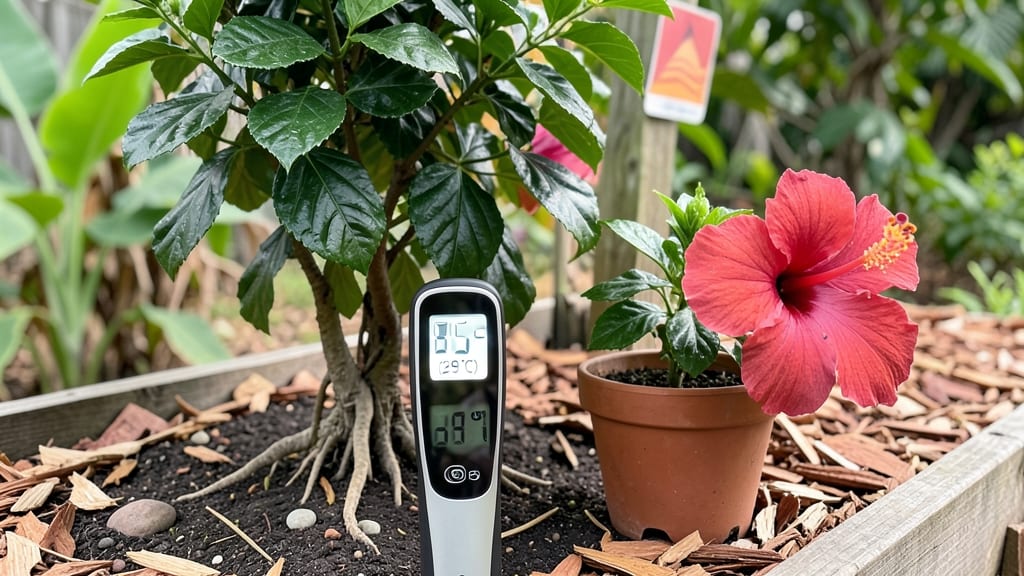
Your hibiscus tree’s temperature tolerance is the key to its survival through brutal winters or scorching summers—pick the wrong variety or care routine, and you’ll end up with crispy leaves or frozen roots.
Picture this: three days of 100°F heat and your hibiscus wilts faster than a houseplant left in a sauna. Or a sudden 20°F freeze that turns its glossy leaves into brittle paper. The right hibiscus type and a few smart adjustments can turn these disasters into thriving blooms.
From cold-hardy hybrids that shrug off USDA Zone 5 winters to heat-loving varieties that flourish in Zone 11 summers, we’ll break down which hibiscus trees handle extremes—and how to protect any variety when the thermometer spins out of control.
You’ll learn how to read your plant’s stress signals, adjust watering and mulching for temperature swings, and even overwinter potted hibiscus without losing a single leaf. Let’s keep your 🌺 hibiscus tree happy year-round.
Cold-hardy hibiscus tree varieties for freezing temperatures
If you love the dramatic blooms of hibiscus trees but live in a USDA Zone 5 or colder, don’t assume these tropical beauties are off-limits!
While traditional tropical hibiscus (Hibiscus rosa-sinensis) wilt at below 30°F, several hardy hibiscus varieties thrive in temperatures as low as -20°F with proper care. These cold-resistant types—often called rose-of-Sharon or hardy hibiscus—are game-changers for northern gardeners.
The key to success lies in choosing the right hibiscus species and implementing seasonal protection strategies. Unlike their tropical cousins, cold-hardy hibiscus enter dormancy in winter, regrowing leaves and blooms come spring.
Below, I’ll compare the top freeze-tolerant hibiscus varieties, their USDA zone ranges, and essential winter care tips to keep your plants healthy through brutal cold snaps.
| Variety | Cold Tolerance (°F) | USDA Zones | Winter Care Needs | Bloom Season |
|---|---|---|---|---|
| Hardy Hibiscus (Hibiscus moscheutos) | -20°F | 4-9 | Mulch heavily; prune in late winter | Summer to early fall |
| Rose-of-Sharon (Hibiscus syriacus) | -30°F | 4-8 | Wrap trunk in burlap; minimal pruning | Late summer to fall |
| Lacecap Hibiscus (Hibiscus moscheutos 'Summer If You Can') | -20°F | 5-9 | Stake tall stems; mulch 4-6 inches | Summer |
| Blue Hibiscus (Hibiscus syriacus 'Blue Chiffon') | -30°F | 4-8 | Prune lightly in early spring; no wrapping needed | Mid-summer to fall |
| Hybrid Hardy Hibiscus (Hibiscus x 'Southern Belle') | -15°F | 5-10 | Mulch with straw; protect from wind | Summer |
Hardy hibiscus (Hibiscus moscheutos) is the gold standard for cold climates, surviving down to -20°F with minimal fuss. This native North American species boasts showy, dinner-plate blooms in shades of pink, white, and red. Varieties like 'Summer If You Can' and 'Luna Rose' are prized for their prolonged bloom time and drought tolerance once established.
For even colder zones (USDA Zone 4 or lower), Rose-of-Sharon (Hibiscus syriacus) is your best bet. This shrub-like hibiscus handles -30°F temperatures and offers fragrant flowers in purple, blue, and white.
Unlike its tropical relatives, it loses all foliage in winter but regrows vigorously in spring. Pro tip: Plant it where it can catch morning sun to dry dew quickly and prevent fungal issues.
When selecting a variety, consider your garden’s microclimate. A south-facing wall can add 5-10°F of warmth in winter, extending the range of marginally hardy hibiscus like Hibiscus x 'Southern Belle', which tolerates -15°F but benefits from extra winter protection.
Always choose container-grown plants over balled-and-burlapped ones for cold zones—they establish roots faster and recover better from transplant shock.
Winter care starts in late fall with mulching. Apply 4-6 inches of straw or shredded leaves around the base of your hibiscus to insulate roots and regulate soil temperature.
For Zone 5 and colder, wrap the trunk and branches in burlap or frost cloth to prevent sunscald (when winter sun warms the bark, causing it to crack). Avoid using plastic wraps—they trap moisture and lead to rot.
Pruning is another critical step. Hardy hibiscus should be pruned in late winter or early spring (just before new growth starts) to remove dead wood and shape the plant. Never prune in fall, as this stimulates new growth that won’t harden off before winter.
For Rose-of-Sharon, a light pruning in early spring is sufficient—these plants bloom on old wood, so heavy pruning reduces flowers.
If you’re pushing the limits in Zone 4 or colder, consider growing hibiscus in
Heat survival tips for hibiscus trees in hot climates
When summer temperatures soar, your hibiscus tree can suffer from heat stress, drought damage, or even sunburn on delicate leaves. Unlike tropical varieties that wilt in extreme heat, some hibiscus types thrive with the right care.
The key is understanding their temperature tolerance and implementing simple but effective strategies to keep them lush and blooming.
I’ve grown hibiscus in USDA Zones 8-11 and learned that even heat-loving varieties need protection during 100°F+ days. Overwatering or neglecting shade can turn vibrant blooms into crispy brown leaves overnight. Let’s dive into actionable tips to shield your hibiscus from scorching conditions while keeping it healthy and productive.
- 🌡️ Optimal Temperature Range: Hibiscus thrives in 70-90°F but can handle brief spikes up to 105°F with proper care.
- 💧 Watering Schedule: Deep water every 2-3 days in extreme heat (morning only to prevent fungal growth).
- 🌿 Mulching: Apply 3-inch mulch layer (straw or wood chips) to retain moisture and cool roots.
- ☀️ Shade Solutions: Use light shade cloth (30-50%) during peak sun (11 AM–3 PM) to prevent leaf scorch.
- ✂️ Pruning: Trim wilting leaves and overcrowded branches to improve airflow and reduce stress.
- 🌱 Soil Moisture: Test soil moisture 2 inches deep—if dry, water immediately. Hibiscus roots need consistent hydration.
- 🚫 Avoid: Overhead watering (causes leaf burn) and fertilizing during heatwaves (stresses roots).
Start with a morning watering routine—this gives roots time to absorb moisture before the sun evaporates it. I’ve seen hibiscus recover from near-death drought stress when I switched to drip irrigation during heatwaves.
A simple soaker hose placed at the base delivers water directly to roots without wetting leaves, which is critical in 100°F+ heat.
Mulching isn’t just for looks—it’s a heat shield for your hibiscus. Organic mulch like pine straw or compost insulates roots, keeping them 5-10°F cooler than surface temps. For container-grown hibiscus, move pots to shaded patios or wrap containers in burlap to protect roots from radiant heat.
Even a white plastic pot sleeve can reflect up to 30% of sunlight away from the plant.
Watch for heat stress signs like drooping leaves, yellowing edges, or brown leaf tips. These are early warnings to adjust care immediately. If your hibiscus stops blooming, it’s often a sign of root stress from either overwatering or underwatering.
A quick soil check with your finger will tell you if it’s time to water or hold off. Pro tip: Prune spent blooms to redirect energy to root recovery instead of fruit production.
For extreme climates, consider heat-tolerant hibiscus varieties like Hibiscus rosa-sinensis ‘Dwarf Red’ or Hibiscus syriacus, which handle 95°F+ temps better than tropical types. If your hibiscus is already established, a light foliar spray (early morning) can help cool leaves, but avoid this in humid areas to prevent fungal diseases.
Pair these tips with regular pruning to maintain airflow, and your hibiscus will reward you with season-long blooms even in the hottest summers.