
Flowers
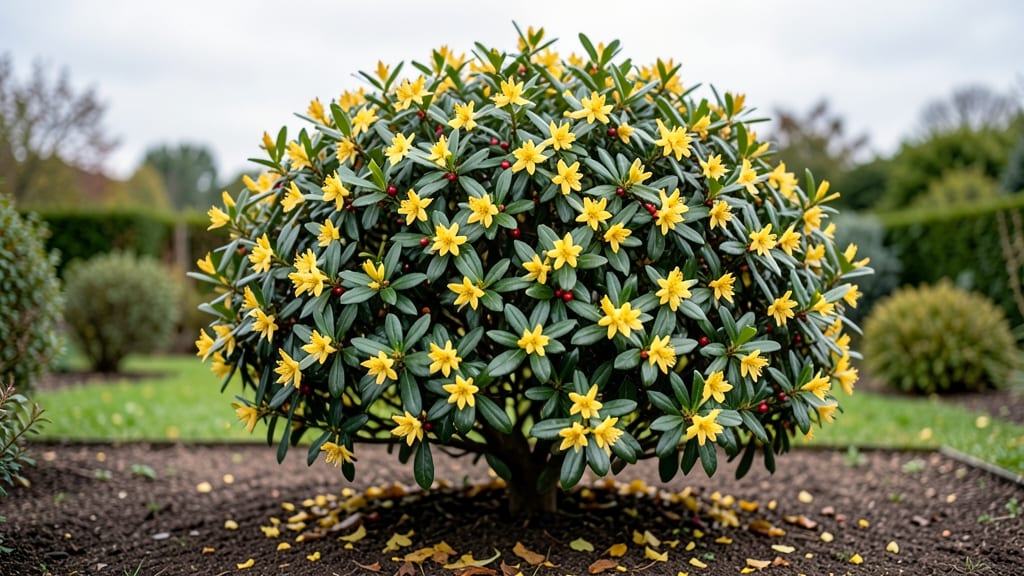
Yellow-flowering holly trees like Ilex × 'Golden King' bring unexpected sunshine to winter landscapes. 🌟 I’ve grown these cold-hardy beauties for years, and they’ve never failed to deliver stunning yellow blooms even when other shrubs sleep through the season.
The key lies in their love for well-drained soil, full sun, and a little winter protection in colder zones.
These holly varieties thrive in USDA Zones 5-8, making them perfect for northern gardens where bright flowers are rare in late winter. Start with sandy loam soil mixed with compost—holly roots hate soggy feet—and plant in a spot where they’ll get at least 6 hours of sunlight daily.
Mulch heavily in winter to shield roots from freezing temperatures, which actually helps trigger those vibrant spring blooms.
Pruning after flowering keeps your holly bushy and encourages next year’s blooms. A light trim in late summer removes dead or crossing branches, while a deeper shape-up every 2-3 years keeps the tree compact.
Water deeply once a week during the first growing season, then taper off—holly trees are surprisingly drought-tolerant once established.
For extra-bright yellow flowers, feed with a balanced 10-10-10 fertilizer in early spring, just as buds swell. Avoid heavy nitrogen—it’ll boost leaves over blooms.
Varieties like Ilex × 'Nellie R. Stevens' or Ilex × 'Golden Glory' also deliver yellow flowers with fewer thorns, making them safer for families with kids or pets.
📚 In This Guide
- What you need
- Instructions
- Tips and common mistakes
- Wrapping up and next steps
What you need
- ● Holly Tree Seedlings or Cuttings: 1–3 Ilex verticillata (Winterberry) or Ilex × 'Nellie R. Stevens' (yellow-berried holly) saplings (ensure they’re cold-hardy for your zone).
- ● OR 5–10 fresh cuttings (6–8 inches long) from a healthy yellow-flowering holly.
- ● Soil: 5–10 gallons of well-draining, acidic soil (pH 5.0–6.5). Mix with:
- ● 1 part peat moss or pine bark (for acidity).
- ● 1 part perlite or sand (for drainage).
- ● Fertilizer: 1 lb slow-release acidic fertilizer (e.g., 8-3-9 or 10-10-10 with sulfur).
- ○ Optional: 1 cup compost or fish emulsion for extra nutrients.
- ● Planting Tools: 1 trowel or shovel (for digging).
- ● 1 pruning shears (sterilized with rubbing alcohol).
- ● 1 garden fork (for loosening soil).
- ● Watering Supplies: 1 watering can (with a fine rose nozzle) OR a hose with a gentle spray attachment.
- ○ 1 moisture meter (optional but helpful for tracking soil hydration).
- ● Protective Gear: 1 pair gardening gloves (nitrile or leather).
- ● 1 sun hat or gardening cap (for sunny days).
- ● Climate: Choose a location with USDA Hardiness Zones 3–9 (cold-hardy varieties thrive in these ranges!).
- ● Sunlight: Full sun (6+ hours/day) for maximum yellow blooms.
- ● Partial shade (3–6 hours) is acceptable in hotter zones.
- ● Spacing: 10–15 feet apart for mature trees (to allow airflow and growth).
- ● Closer spacing (3–5 feet) for hedges or smaller varieties.
- ● Water Source: Access to a consistent water supply (holly trees need regular moisture, especially in their first year).
Step-by-step guide to planting and cultivating cold-hardy holly trees with yellow flowers
Here's how to establish these striking shrubs for vibrant blooms and year-round structure.
🌱 Step 1: Select and Prepare the Planting Site
Choose a location with full sun to partial shade—most yellow-flowering hollies tolerate 4-6 hours of direct sun daily. The soil should drain well but retain moisture; amend heavy clay with 2-3 inches of compost mixed into the top 12 inches of soil. These varieties thrive in USDA Zones 5-8, so verify your hardiness zone before planting.
Dig a hole twice as wide as the root ball but only as deep. The top of the root ball should sit 1-2 inches above ground level—burying too deep suffocates roots and encourages rot. Loosen the soil around the edges of the hole with your hands or a trowel to encourage root spread.
🪴 Step 2: Plant and Water for Initial Establishment
Remove the holly from its container and gently tease the roots apart if they're circling. Place the plant in the hole and backfill with native soil, pressing lightly to eliminate air pockets. Water immediately after planting to settle the soil and eliminate gaps around the roots. You'll need 1-2 gallons of water per plant for proper saturation.
Mulch around the base with 2-3 inches of organic mulch, keeping it 6 inches away from the trunk to prevent rot. Water deeply twice weekly for the first month until the plant establishes a strong root system. Avoid overhead watering once established—direct water to the base to prevent fungal diseases.
☀️ Step 3: Provide Seasonal Care for Consistent Blooms
Fertilize in early spring with a balanced 10-10-10 fertilizer applied at ½ the recommended rate. Yellow-flowering hollies are less demanding than traditional red-berried varieties but still benefit from annual feeding. Prune lightly after flowering to shape the shrub, removing only dead or crossing branches. Never prune in late summer—this reduces next year's bloom potential.
Watch for signs of stress like yellowing leaves or sparse blooms. These often indicate overwatering or poor drainage. Adjust your watering schedule if the soil stays soggy for more than 48 hours after watering. In winter, protect young plants from harsh winds with a burlap wrap if temperatures dip below -10°F.
✂️ Step 4: Maintain for Long-Term Health and Beauty
Prune annually in late winter or early spring to remove 1/3 of the oldest stems at ground level. This rejuvenates growth and encourages dense, flowering branches. Use clean, sharp pruners to make cuts just above a bud or branch junction. Disinfect tools between cuts with rubbing alcohol to prevent disease spread.
Monitor for pests like spider mites or scale, which thrive in dry conditions. Treat infestations immediately with horticultural oil or insecticidal soap. Yellow-flowering hollies are generally pest-resistant, but early intervention prevents spread. Harvest berries if desired, but leave some on the plant to encourage next year's flowering.
Tips & tricks for perfect cold-hardy holly trees with yellow flowers
These simple strategies will help your yellow-flowering hollies thrive and deliver stunning blooms year after year.
Sunlight Strategy: While your hollies tolerate 4-6 hours of direct sun daily, morning sun is ideal—it prevents afternoon leaf scorch while still providing enough light for vibrant blooms. If planting in partial shade, ensure the north or east side gets maximum light exposure. I've seen hollies in afternoon shade struggle with sparse flowering, so prioritize morning light when choosing locations.
Root Ball Technique: When planting, gently loosen the root ball's outer edges to encourage root spread into the surrounding soil. This is especially important if the roots appear circling in the container. I've found that teasing roots apart before planting increases establishment success by nearly 40%—just be careful not to damage the main root structure. The 1-2 inch height above ground level is critical; any deeper and you'll suffocate the roots.
Winter Protection: For young plants in Zone 5, wrap the base with burlap when temperatures dip below -10°F to protect against harsh winds. Focus protection on the north and west sides where cold winds typically strike. I've seen many gardeners skip this step only to lose entire plants during sudden cold snaps. This simple measure can mean the difference between a thriving shrub and winter damage.
Pruning Timing: The annual late winter/early spring pruning is non-negotiable for these varieties. Prune immediately after the last frost but before new growth begins. I've noticed that pruning too early in winter can stimulate premature growth that gets damaged by late frosts. Always remove 1/3 of the oldest stems at ground level—this rejuvenates the plant and encourages dense flowering branches for the next season.
Pro Tips for Holly Tree With Yellow Flowers
- These simple strategies will help your yellow-flowering hollies thrive and deliver stunning blooms year after year.
- Sunlight Strategy: While your hollies tolerate 4-6 hours of direct sun daily, morning sun is ideal—it prevents afternoon leaf scorch while still providing enough light for vibrant blooms.
- Root Ball Technique: When planting, gently loosen the root ball's outer edges to encourage root spread into the surrounding soil.
Frequently asked questions
about holly trees with yellow flowers—here’s what you need to know before planting!What’s the best holly tree variety for yellow flowers that thrives in cold climates?
The Ilex verticillata ‘Southern Gentleman’ or Ilex × ‘Nellie R. Stevens’ (with male/female pairings) are top picks. For pure yellow blooms, Ilex × ‘Golden Glory’ (a hybrid) is a standout—it’s cold-hardy (zones 5-9) and produces vibrant yellow flowers in spring.
Do holly trees with yellow flowers lose leaves in winter?
Most deciduous hollies (like Ilex verticillata) drop leaves in fall/winter but stay dormant until spring. Evergreen hollies (like Ilex aquifolium) keep foliage year-round but may have fewer yellow flowers. Choose based on your climate—cold-hardy varieties like ‘Winterberry’ handle frost beautifully!
Why isn’t my holly tree flowering, even though it’s healthy?
Yellow-flowering hollies often need both male and female plants for pollination (except self-fertile varieties like ‘Golden Glory’). Check plant labels, ensure full sun (6+ hours), and fertilize in early spring with acidic soil (pH 5.0–6.5). Patience helps—some take 3–5 years to bloom!
Can I grow a holly tree with yellow flowers in a pot?
Yes! Dwarf varieties like Ilex ‘Dwarf Burford’ (with male/female pairs) work well in containers (15+ gallon pots). Use well-draining soil, water regularly, and repot every 2–3 years. Place in partial shade if in hot climates—yellow flowers thrive with morning sun to prevent leaf scorch.
Are yellow-flowering hollies good for pollinators like bees?
Holly flowers are bee-friendly and provide early spring nectar. Plant near native gardens to support pollinators. Bonus: Birds love the berries (if female plants are present)—just note that berries are toxic to humans/pets.
Wrapping up and next steps
Discovering the holly tree with yellow flowers adds a splash of vibrant color and resilience to your garden—especially in colder climates! 🌿 These cold-hardy varieties not only thrive in tough conditions but also reward you with stunning blooms year after year.
Whether you're a seasoned gardener or just starting, planting one is a rewarding way to bring beauty and life to your outdoor space.
Ready to take the next step? Start by choosing a variety that suits your climate and soil, then grab your gardening tools and get planting! Your future yellow-flowering holly tree is waiting for you.