
How To
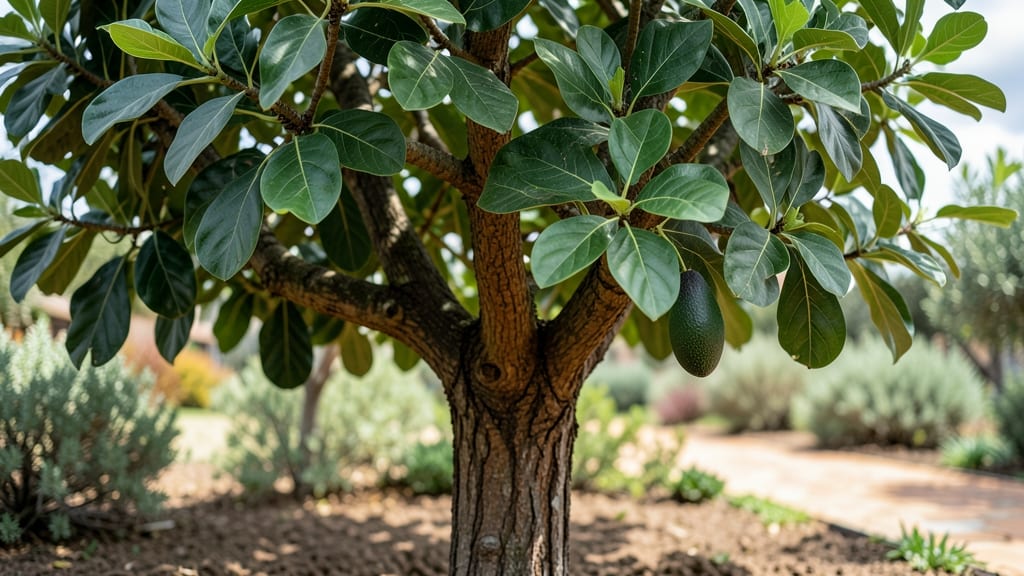
An avocado tree grows to how tall it can reach heights ranging from a manageable 8 feet to towering 80 feet, depending on the variety and growing conditions.
Wondering if your backyard can accommodate one? The height of these tropical giants isn’t just about space—it’s about variety, climate, and proper care.
Whether you’re dreaming of a dwarf Hass in a pot or a full-size Fuerte reaching for the sky, knowing the growth potential is the first step to planning.
Standard varieties like Hass and Fuerte can easily outgrow a two-story house, while dwarf types stay compact enough for containers. But here’s the catch: climate plays a huge role.
In frost-free zones like 9b, trees grow faster and taller, while in colder areas like Zone 6, they may stay smaller unless you prune aggressively.
In this guide, I’ll break down height predictions by variety, climate, and care tips to keep your avocado tree at your desired size—whether that’s a 6-foot tabletop tree or a 30-foot backyard giant.

Avocado tree height by variety: dwarf vs. standard vs. giant types
Avocado trees are stunning tropical specimens, but their mature height can vary dramatically depending on the variety. Some varieties stay compact enough for container growing, while others reach towering heights that require yard space and professional pruning.
Understanding these differences helps you choose the perfect tree for your space and climate.
Most avocado trees fall into three height categories: dwarf varieties (4–10 feet), standard types (20–30 feet), and rare giant cultivars that can exceed 50 feet. The variety you select will determine not just the tree’s height, but also its growth rate, fruiting potential, and maintenance needs.
Below is a detailed comparison of popular avocado varieties, including their mature heights, growth rates, and ideal growing conditions. Whether you're dreaming of a backyard harvest or a container-grown patio tree, this guide will help you make an informed choice.
🌱
| Variety | Type | Mature Height (ft) | Growth Rate (ft/year) | Fruiting Age (years) | Best For |
|---|---|---|---|---|---|
| Hass | Standard | 25–40 ft | 1.5–2 ft | 3–5 years | Large yards, commercial orchards |
| Fuerte | Standard | 30–50 ft | 2–3 ft | 4–6 years | Warm climates, large properties |
| Reed | Dwarf | 8–12 ft | 0.5–1 ft | 2–3 years | Containers, patios, small yards |
| Bacon | Semi-Dwarf | 15–25 ft | 1–1.5 ft | 3–4 years | Medium yards, urban gardens |
| Wurtz | Standard | 40–60 ft | 2–3 ft | 5–7 years | Rural properties, large estates |
| Mexicola | Dwarf | 6–10 ft | 0.5–1 ft | 2–3 years | Containers, indoor growing |
The Hass variety is the most popular in the U.S., known for its dark purple-black skin and creamy flesh. Standard Hass trees can grow up to 40 feet tall, making them ideal for rural areas or large backyards.
However, if you're limited on space, consider the Reed or Mexicola dwarf varieties, which stay under 12 feet and thrive in containers.
For those in warmer climates, the Fuerte variety is a classic choice, reaching heights of 30–50 feet. Its large, buttery fruit makes it a favorite for commercial growers, but its size requires careful planning.
If you're in a small urban space, the Bacon semi-dwarf variety offers a middle ground, typically reaching 15–25 feet with proper pruning.
Growth rates
Climate zones and their impact on avocado tree height
Avocado trees thrive in warm climates, but their height growth varies dramatically across USDA hardiness zones 8–11. In Zone 11, where temperatures rarely drop below 20°F, avocados can reach 40–80 feet without restraint.
However, in Zone 8, where winter lows dip to 10–20°F, growth slows significantly, often capping mature trees at 20–30 feet unless protected.
The Florida climate (Zone 9–11) creates ideal conditions for rapid vertical growth. A Hass avocado in Miami might hit 30 feet in 10 years, while California’s Mediterranean climate (Zone 9–10) produces slightly slower but still robust growth—25–40 feet in similar timeframes.
Container-grown trees in Zone 7 or cooler rarely exceed 10–15 feet due to stress from temperature fluctuations.
Seasonal changes also play a critical role. In Zone 10, avocados grow year-round, adding 2–4 feet annually under ideal conditions. But in Zone 9, growth slows during winter months (December–February), often halting entirely if temperatures drop below 40°F.
This seasonal pause can reduce total height by 30–50% compared to tropical zones.
For gardeners in Zones 7–8, container culture is essential to control height. A dwarf avocado like Mexicola may only reach 8–10 feet in 5 years when grown indoors near a south-facing window.
However, these trees still require bright light and consistent warmth—mimicking their native tropical environment—to prevent stunted growth. Without proper care, even dwarf varieties can struggle to exceed 6 feet.
Pruning becomes a game-changer in colder climates. In Zone 8, I recommend structural pruning in late winter to remove weak or crossing branches, which helps redirect energy upward while preventing wind damage.
For container trees, topping (cutting the main stem) can limit height to 6–8 feet while maintaining a bushier shape. Always use sterilized pruners and seal cuts with pruning paste to prevent disease in stressed trees.
Extreme weather events—like freezes in Zone 9 or hurricanes in Zone 1120-foot avocado in Florida might lose 50% of its canopy after a hurricane, requiring 3–5 years of recovery growth to regain height.
Similarly, a Zone 8 avocado exposed to 25°F temperatures may suffer terminal bud damage, stunting growth for an entire season. Protecting young trees with burlap wraps or microclimate shelters can mitigate these risks.
If you’re growing avocados in Zones 6–7, focus on slow-growing varieties like Bacon or Lamb Hass, which tolerate cooler temps better than Hass. Combine this with year-round indoor lighting (12+ hours daily) and heated containers to encourage 1–2 feet of growth annually.
With patience and the right techniques, even northern gardeners can enjoy a manageable-sized avocado tree—just don’t expect it to tower like its tropical cousins.