
How To
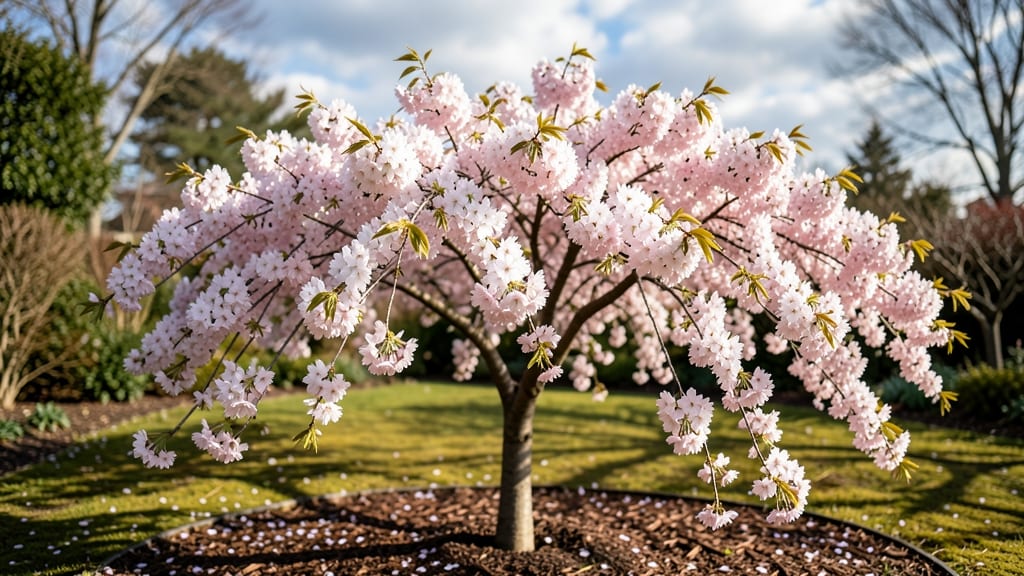
A cherry blossom tree can how tall does a cherry blossom tree grow from a compact 10 feet to a towering 40 feet—depending on the variety you choose and how you care for it.
Picture this: a single 🌸 cherry blossom tree in your yard, its branches heavy with delicate pink flowers in spring. But before you plant, you’ll want to know whether it’ll stretch toward the sky or stay manageable in your space.
Some varieties grow aggressively, while others remain small enough for containers or tight urban gardens.
The key to controlling its size lies in selecting the right cultivar—like the Yoshino, which can reach 30–40 feet, or the Akebono, a dwarf variety that tops out at 10 feet.
Soil quality, pruning habits, and even your climate zone play a role in how tall it ultimately becomes.
In this guide, I’ll break down exact height ranges by variety, share pruning tips to keep your tree in check, and help you pick the perfect size for your landscape—whether you dream of a grand specimen or a petite patio tree.

Cherry blossom tree height by variety: from dwarf to giant specimens
Choosing a cherry blossom tree isn't just about the stunning spring blooms—it's also about planning for its mature height. Some varieties grow tall enough to shade entire backyards, while others stay small enough for containers or urban gardens.
Understanding these height differences helps you select the perfect cherry blossom variety for your space and landscape goals.
Cherry blossoms belong to the Prunus genus, with heights ranging from compact 10-foot dwarf varieties to towering 40-foot giants. The size depends on the specific cultivar, growth habits (upright or weeping), and environmental conditions.
For example, the Yoshino cherry blossom (Prunus × yedoensis) is a classic that reaches 30–40 feet, while dwarf varieties like Akebono max out at just 6–10 feet.
Mature height is the key factor when planning your garden layout. A 20-foot tree needs ample space to avoid overcrowding nearby plants or structures. Meanwhile, weeping cherry blossoms like Kanzan spread wider than they grow tall, requiring extra horizontal clearance. Always check the growth habit—upright varieties grow straight up, while weeping types cascade elegantly, creating a different spatial dynamic.
The Yoshino cherry blossom is one of the most popular varieties, often used in public parks due to its 30–40-foot stature and prolific blooms. If you're working with limited space, consider dwarf varieties like Akebono, which stay under 10 feet and thrive in containers or small yards.
For a dramatic weeping effect, Kanzan and Shidare Yoshino create stunning cascades, perfect for focal points in larger gardens
How to control cherry blossom tree height: pruning, spacing, and variety selection
If you love the dreamy pink clouds of cherry blossoms but lack the space for a 40-foot giant, don't despair! With the right pruning techniques, spacing strategies, and dwarf varieties, you can enjoy these stunning trees in even the coziest yards.
The key is understanding how these trees grow—and how to guide their height from the start.
Most cherry blossom trees (like the iconic Prunus serrulata) reach 20–40 feet at maturity, but their growth rate depends on care, climate, and variety. For example, the Yoshino cherry can shoot up 2–3 feet annually, while slower growers like Autumn Royal add just 1–2 feet per year.
The good news? You can influence their height significantly through proactive care.
Without control, a standard cherry blossom can reach 30–40 feet in as little as 10–15 years. Even "dwarf" varieties can still grow 12–18 feet—plan your space accordingly! Overcrowding or poor pruning can lead to weak branches, disease, or even tree failure.
Start with proper spacing—plant your cherry blossom at least 15–20 feet from structures like houses or fences. If you're working with a smaller yard, opt for dwarf varieties like Kanzan (15–20 ft) or Shirotae (12–15 ft), which are bred to stay compact.
Always check the variety's mature height before planting to avoid surprises.
Pruning is your best tool for height control. The right time to prune is late winter or early spring, just before new growth begins. Remove 1/3 of the tree's height only if absolutely necessary—over-pruning stresses the tree and can reduce flowering.
Focus on selective pruning to shape the tree and remove dead or crossing branches that compete for energy.
Common mistakes that lead to overgrowth include neglecting regular pruning, planting too close to other trees, or using heavy-handed fertilizers that encourage rapid (but often weak) growth. Always use a balanced fertilizer (like 10-10-10) and avoid high-nitrogen blends, which promote leafy growth over flowers.
Mulch around the base to retain moisture and regulate soil temperature, which helps maintain healthy, controlled growth.
For container growing, choose dwarf varieties like Okame cherry (10–12 ft) and use a large pot (at least 24 inches wide) with well-draining soil. Keep in mind that even dwarf varieties need full sun and regular pruning to stay manageable.
Move containers to a sheltered spot in winter if you're in a cold climate (USDA zones 5–6).
With the right variety, spacing, and pruning plan, you can enjoy cherry blossoms without sacrificing your yard's layout. Whether you're aiming for a 10-foot specimen or a 30-foot statement tree, the secret is starting with a clear vision—and a sharp pair of pruners! 🌸