
How To
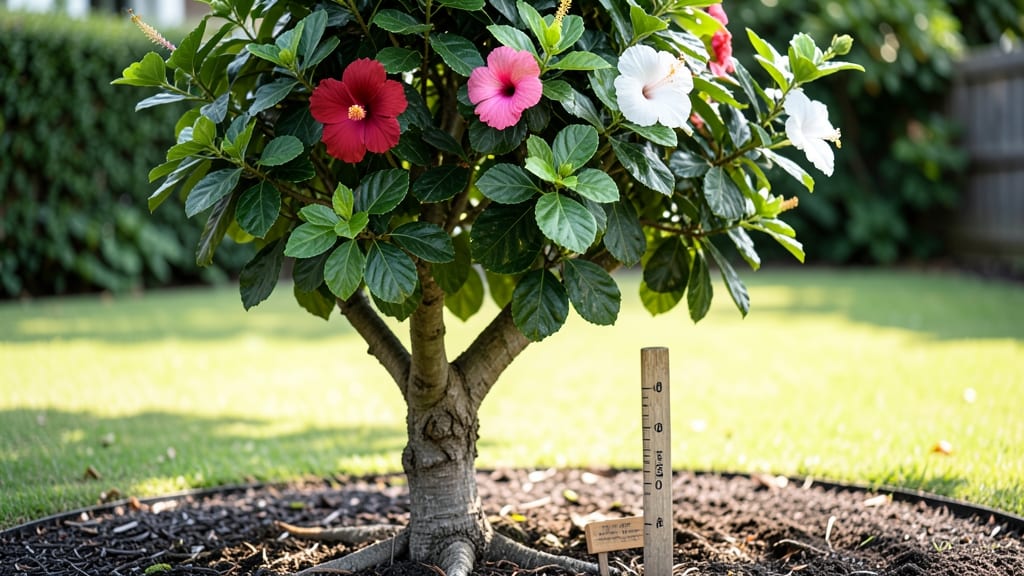
A hibiscus tree can grow how tall can a hibiscus tree grow anywhere from 5 feet to a towering 30 feet, depending on the variety and care you provide.
If you’ve ever admired a hibiscus tree’s vibrant blooms but worried about its towering height, you’re not alone—many gardeners struggle to balance beauty and space.
Standard varieties like Hibiscus syriacus typically reach 10 to 15 feet at maturity, making them perfect for medium-sized yards, while tropical species can soar much higher.
Discover how pruning techniques can shape your hibiscus into the perfect size for your garden while maximizing its stunning floral display.

Hibiscus tree height by variety: small, medium, and giant options
Choosing the right hibiscus variety is key to fitting its mature height into your garden plans. Some varieties stay compact at just 5 feet tall, while others can soar to 30 feet or more.
The difference often comes down to whether you're growing a tropical hibiscus (like the showy Hibiscus rosa-sinensis) or a hardy hibiscus (such as Hibiscus syriacus). Let’s break down the options so you can pick the perfect fit for your space.
For gardeners with limited space, dwarf varieties are game-changers. These stay under 6 feet tall and thrive in containers or small yards. Meanwhile, larger varieties can become stunning focal points in expansive landscapes. Understanding these height ranges helps you avoid surprises—like a 15-foot tree overshadowing your patio!
Below is a quick reference for hibiscus heights by category, including tropical, hardy, and dwarf types. This will help you visualize how each variety will look in your garden, whether you're dreaming of a privacy screen or a container centerpiece.
If you're working with limited space, dwarf varieties like Hibiscus rosa-sinensis 'Mini Maui' are perfect. These stay under 5 feet tall and can even thrive in 10-gallon containers.
Their vibrant blooms make them ideal for patios or small urban gardens. Just ensure they get full sun exposure—at least 6 hours daily—to keep them blooming year-round.
For medium-sized gardens, hardy hibiscus varieties like Hibiscus syriacus 'Blue Chiffon' reach 8–12 feet tall and offer stunning floral displays in shades of pink, white, and purple.
These are also cold-hardy, surviving down to USDA Zone 5 with proper winter care. They’re excellent for creating natural privacy screens or adding height to mixed borders.
When it comes to giant hibiscus trees, Hibiscus tiliaceus is the ultimate statement plant. This variety can grow 20–30 feet tall and is perfect for large landscapes or coastal gardens.
Its broad leaves and massive blooms create a tropical feel, but it requires plenty of space to spread its roots. If you're considering this variety, plan for its mature size early—it won’t stay small!
One of the biggest mistakes gardeners make is underestimating how quickly hibiscus trees grow. Even dwarf varieties can outgrow
Pruning secrets to control hibiscus tree height effectively
Controlling a hibiscus tree's height isn’t just about aesthetics—it’s about creating a thriving plant that fits your space while encouraging those showstopping blooms. The key lies in understanding when and how to prune, as hibiscus trees respond dramatically to strategic cuts.
Whether you want a compact shrub or a tall specimen, pruning techniques vary by growth stage and variety. Let’s dive into the secrets to shaping your hibiscus without sacrificing its beauty.
First, recognize that pruning timing is everything. Spring and early summer are ideal for structural pruning, while late summer encourages new growth for fall blooms. Avoid heavy pruning in late fall or winter, as hibiscus trees need their energy to recover before the next growing season.
Using the right tools—like bypass pruners or a sharp saw—ensures clean cuts that heal faster and reduce disease risk.
⚠️ callout warning ⚠️ Warning: Over-Pruning Risks Hibiscus trees can reach 10–20 feet if left unchecked, but aggressive pruning can stunt growth or reduce flowering. Never remove more than 1/3 of the plant in a single session, and avoid cutting into old wood, which won’t regrow.
For tropical hibiscus varieties, prune lightly to avoid stressing the plant, while hardy hibiscus can handle more aggressive shaping. Always sterilize your tools with rubbing alcohol to prevent bacterial infections.
To encourage bushier growth, focus on pruning the outer branches just above a leaf node or bud. This redirects energy to lateral shoots, creating a fuller shape. For a taller, more upright hibiscus, prune the lower branches to open up the canopy and reduce congestion.
Remember, hibiscus trees bloom on new growth, so avoid cutting back too late in the season—this can limit next year’s flowers.
For young hibiscus trees, prioritize removing dead or crossing branches to establish a strong structure early. As the plant matures, thinning out interior branches improves airflow and sunlight penetration, which is critical for preventing fungal diseases like powdery mildew.
If your hibiscus is overgrown, don’t panic—gradual pruning over 2–3 years yields better results than drastic cuts.
One common mistake is pruning at the wrong angle. Always cut at a 45-degree angle just above a bud or branch collar to promote faster healing and new growth. Another pitfall is pruning after blooming, which can remove next year’s flower buds.
Instead, prune right after the first flush of blooms in early summer to encourage a second round of flowers. Pair your pruning with regular fertilization (like a balanced 10-10-10 NPK) to support recovery and vigorous growth.
With these techniques, you’ll master the art of hibiscus height control while keeping your plant healthy and blooming. Start small, observe how your plant responds, and adjust your approach as needed. Your hibiscus will thank you with season-long color and a shape that perfectly fits your garden vision. 🌺✂️🌿