
How To
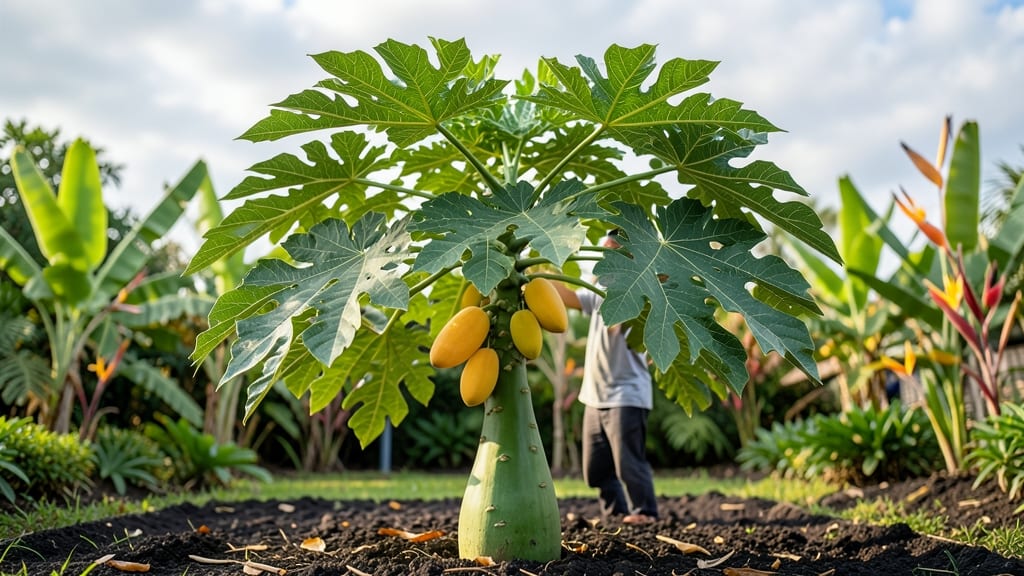
A papaya tree grows to how tall does a papaya tree grow heights between 10 and 30 feet depending on the variety and growing conditions, so your garden space could end up with a towering tropical giant—or a more manageable size if you choose the right type.
If you’re dreaming of growing tropical papayas but worried about space, you’ll want to know: some varieties stay under 10 feet while others tower over 30 feet—here’s how to choose the perfect size for your garden.
The height of your 🍈 tree isn’t just about aesthetics—it also affects fruit production, pruning needs, and even whether you can grow it indoors. Dwarf varieties might stay compact, but standard types need room to stretch.
Below, I’ll break down the height ranges, how to control growth, and which varieties work best for small spaces or containers—so you can grow papayas without sacrificing your yard.

Papaya tree height ranges: from dwarf varieties to towering giants
If you’re dreaming of growing tropical papayas but worried about space, you’ll want to know: some varieties stay under 10 feet while others tower over 30 feet. The Carica papaya species offers a surprising range of heights, influenced by genetics, climate, and care.
Whether you’re growing in a container garden or a sprawling backyard, understanding these variations helps you choose the perfect variety for your space.
Most standard papaya trees reach 10 to 20 feet at maturity, but some tropical hybrids or neglected trees can exceed 30 feet in ideal conditions. Dwarf varieties, though rare, can stay as short as 6 to 8 feet, making them perfect for patios or small urban gardens.
The key to controlling height lies in pruning techniques, sunlight exposure, and even the container size if growing in pots.
Here’s a quick look at how height varies across papaya types and what factors influence their growth:
| Variety Type | Mature Height | Growth Rate | Best For |
|---|---|---|---|
| Standard (e.g., 'Solo,' 'Kapoho') | 10–20 ft | Fast (3–5 ft/year) | Backyards, tropical climates |
| Hybrid (e.g., 'Tainong 1') | 12–25 ft | Moderate (2–4 ft/year) | Commercial farms, large gardens |
| Dwarf (e.g., 'SunUp' hybrids) | 6–10 ft | Slow (1–2 ft/year) | Containers, patios, small spaces |
| Neglected/Unpruned | 20–30+ ft | Uncontrolled (varies) | Wild growth, no maintenance |
Climate plays a huge role in how tall your papaya tree grows. In tropical zones (USDA 10–12), trees thrive year-round and can grow aggressively, especially with abundant sunlight and rich soil.
In cooler zones, papayas may grow slower or stay shorter unless grown indoors with grow lights or in large containers moved outdoors in summer. Even a 10-foot tree can produce fruit, but taller trees often yield more due to increased foliage and energy storage.
Pruning is your best tool to control height. Regularly trimming the top growth encourages bushier, more manageable shapes while redirecting energy to fruit production. For container-grown papayas, use dwarfing rootstock or smaller pots to naturally limit height.
Just avoid heavy pruning during fruiting seasons, as this can stress the tree and reduce yields.
Soil quality and watering also impact height. Papayas need well-draining, slightly acidic soil (pH 5.5–6.5) to thrive. Overwatering can stunt growth, while consistent moisture supports steady upward expansion. In container gardens, choose pots at least 18 inches wide to accommodate root growth without restricting height.
If your tree starts leaning or growing unevenly, it may need staking or support to maintain a healthy structure.
Don’t let height concerns stop you from growing papayas! Even in small spaces, you can enjoy fresh fruit with the right variety and care. For example, the 'SunUp' hybrid stays compact yet produces sweet, orange-fleshed papayas perfect for smoothies.
Meanwhile, standard varieties like 'Kapoho' reward patient growers with towering trees and bountiful harvests. The choice is yours—whether you prefer a 6-foot patio papaya or a 20-foot backyard giant.
Pro tip: If you’re growing indoors, place your papaya tree near a south-facing window or under LED grow lights for 12+ hours daily. This mimics tropical sunlight and prevents leggy, weak growth.
Just remember: the taller the tree, the more stable support it needs—think bamboo stakes or trellises for windy areas.
🌱
Best dwarf papaya varieties for small gardens and containers
If you love tropical flavors but have limited space, dwarf papaya varieties are your best bet. These compact plants reach just 5-10 feet tall, making them perfect for containers, patios, or small yards. Unlike their towering cousins, these varieties produce delicious fruit without dominating your garden.
When selecting a dwarf papaya, consider mature height, fruit size, and growing conditions. Some varieties thrive in containers as small as 15 gallons, while others need slightly more room. Below, I’ve curated the top 5 dwarf-friendly papaya types for small-space growers.
⚠️ CRITICAL: Even dwarf varieties need full sun (6+ hours daily) and warmth (USDA Zones 10-12). If you live in cooler climates, grow them indoors near a south-facing window or under grow lights.
| Variety | Mature Height (ft) | Fruit Weight (lbs) | Container Size | Best For |
|---|---|---|---|---|
| Tainong 1 | 5-7 ft | 1-2 lbs | 15-20 gallon | Containers, patios |
| SunUp | 6-8 ft | 2-3 lbs | 20-30 gallon | Small yards, balconies |
| Red Maradol | 7-10 ft | 1-1.5 lbs | 20-30 gallon | Tropical climates, greenhouses |
| Golden Honey | 6-8 ft | 1.5-2.5 lbs | 20 gallon | Indoor growing, small spaces |
| Solo | 5-7 ft | 1-1.5 lbs | 15-20 gallon | Urban gardens, rooftops |
For container growing, choose Tainong 1 or Solo—they’re the most compact and thrive in 15-20 gallon pots.
If you have slightly more space, SunUp or Golden Honey offer larger fruit with manageable heights. Red Maradol is ideal for greenhouses or warm climates where you can accommodate its slightly taller stature.
To maximize fruit production in small spaces, prune regularly to encourage bushier growth and use a balanced fertilizer (like 10-10-10) every 4-6 weeks during the growing season. Morning watering prevents fungal issues, and mulching retains moisture in containers.
With the right dwarf variety and care, you’ll enjoy homegrown papayas without sacrificing your garden’s layout. Start with Tainong 1 or Solo if you’re new to papaya growing—they’re forgiving and perfect for beginners! 🌱