
How To
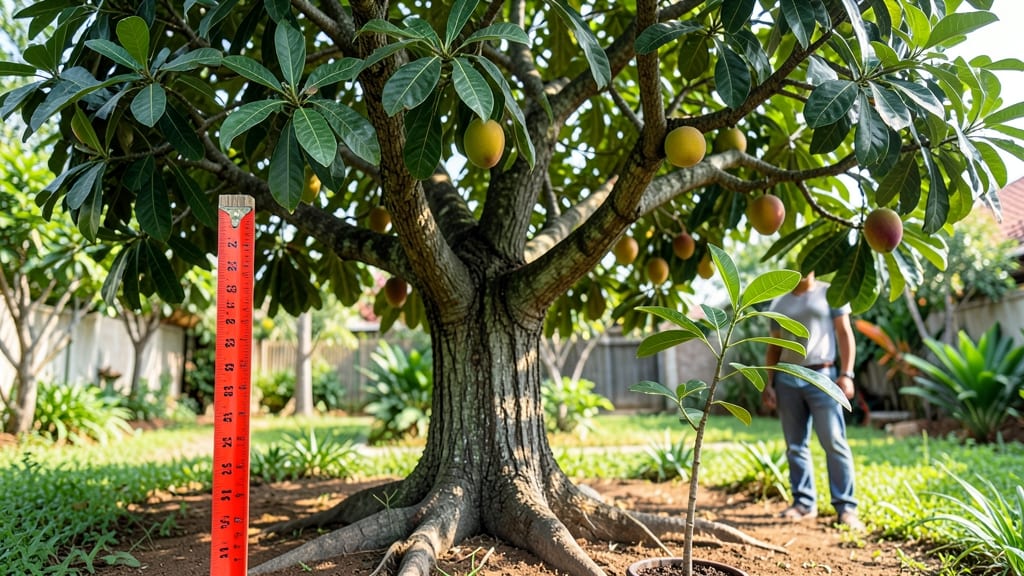
A mango tree can grow between 30 and 60 feet tall, depending on the variety and growing conditions—some varieties reach skyscraper heights while others stay compact enough for small gardens.
Dreaming of a mango tree heavy with juicy fruit but wondering if your backyard can handle its towering height? The answer depends on the variety, climate, and pruning habits—some mango trees reach skyscraper proportions while others stay manageable for small gardens.
For example, a 'Cogshall' mango tree typically stays around 24 to 30 feet, making it a great choice for home gardens, while varieties like 'Keitt' can soar to 50 to 60 feet if left unchecked.
In this guide, you’ll learn how to control your mango tree’s height through pruning, soil care, and climate awareness—so you can enjoy sweet, homegrown fruit without sacrificing your yard space.

Mango tree height limits by variety: from dwarf to giant
If you've ever dreamed of growing your own mango tree but hesitated because of its potential size, you're not alone. Mango trees can range from compact dwarf varieties perfect for containers to towering giants reaching 60 feet or more.
The variety you choose determines whether your backyard becomes a jungle or a manageable fruit oasis.
The height differences between mango varieties are dramatic. Some, like the 'Cogshall' mango, stay under 25 feet, while others like 'Keitt' or 'Haden' can stretch toward the sky. Even the growth rate varies—some grow 2-3 feet per year, while others shoot up 5 feet annually in ideal conditions.
Climate plays a huge role too. Tropical regions like Florida or Hawaii let mango trees thrive at their full height potential, while subtropical zones (like Southern California) may stunt growth unless you choose cold-hardy varieties. Understanding these factors helps you pick the right tree for your space and climate.
Below is a detailed comparison of popular mango varieties, their mature heights, and how they adapt to different growing conditions. Use this as your guide to selecting the perfect tree for your garden—whether you have a sprawling backyard or just a sunny balcony.
For small-space gardeners, the 'Cogshall' or 'Julie' varieties are game-changers. These dwarf mango trees can thrive in 15-gallon containers and still produce fruit, making them ideal for patios or balconies. Just ensure they get full sun exposure (6+ hours daily) and well-draining soil.
If you're in a warmer climate like Florida or Southern California, you can grow standard varieties like 'Haden' or 'Keitt', but be prepared for their sky-high growth. These trees need ample space—at least 20 feet in all directions—and regular pruning to manage height and shape.
Even in subtropical zones, where winters are mild, some varieties like 'Ice Cream' strike a balance. They grow taller than dwarf types but stay under 40 feet, making them suitable for medium-sized yards. Always check your USDA hardiness zone
Climate and growing conditions that affect mango tree height
Your mango tree’s final height isn’t just about genetics—it’s a mix of climate conditions and how well you meet its needs. In tropical zones like Florida or Hawaii, mango trees thrive and can reach 60+ feet with minimal stress.
But in cooler climates like California’s inland valleys, growth slows dramatically, often capping at 30–40 feet without protection.
Humidity plays a surprising role too. High humidity in USDA Zones 10–11 fuels rapid growth, while dry air in Zone 9 can stunt height unless you add mulch and deep watering.
Even soil quality matters—sandy soils drain too fast, while clay holds too much moisture, both limiting nutrient uptake and vertical growth.
⚠️ WARNING: Cold Snaps Can Kill Your Mango Tree ⚠️
Sunlight is another game-changer. Mango trees demand 6+ hours of direct sun daily, but partial shade in hot afternoons can help in arid regions like Arizona. Too little light? Expect stunted growth and fewer fruit-bearing branches. Conversely, overly intense sun without proper watering leads to leaf scorch, further limiting height gains.
Soil pH also impacts height. Mangoes prefer slightly acidic soil (pH 5.5–6.5). If your soil tests higher, the tree struggles to absorb essential nutrients, slowing vertical growth.
Amend with peat moss or sulfur to adjust pH, and top-dress with compost annually to boost fertility—both critical for reaching mature height.
Even wind exposure matters. Coastal areas with salty winds can stress trees, while inland zones with steady breezes promote stronger, taller trunks. If your yard is windy, consider windbreaks or planting near a fence to encourage optimal growth patterns.
By mastering these climate factors, you can push your mango tree toward its genetic height potentialsoil tests and microclimate observations to tailor care for your tree’s ideal size.