
How To
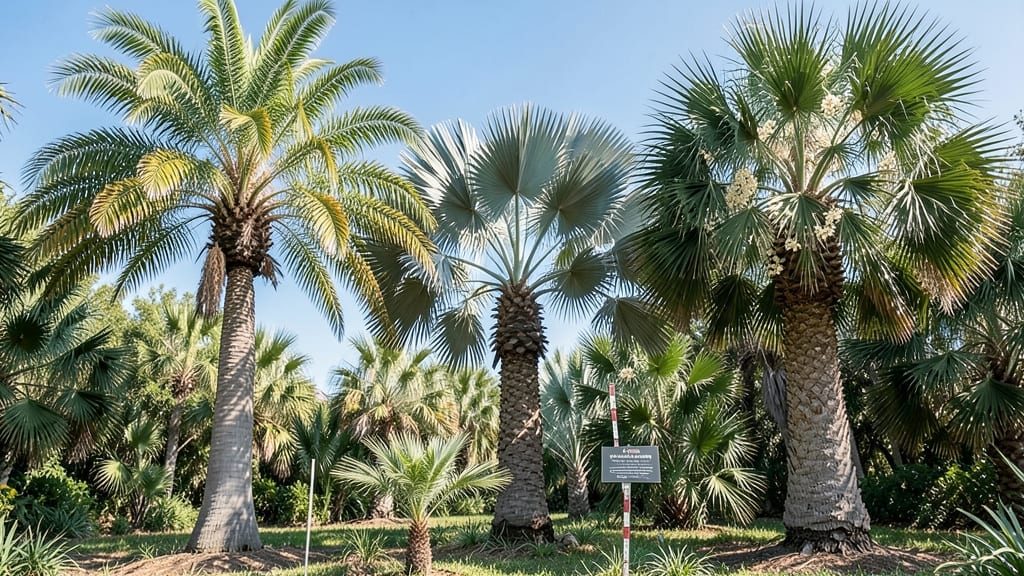
Palm trees can grow anywhere from 10 feet to over 100 feet tall—depending on the species, climate, and care you provide.
Imagine a towering coconut palm 🌴 stretching higher than a three-story building, its fronds swaying in tropical breezes, while a dwarf variety stays neatly tucked into a city courtyard.
The difference isn’t just luck—it’s science, soil, and sunlight working together. Some varieties are genetically programmed to soar, while others thrive in tight spaces with the right pruning.
If you’re dreaming of a grand tropical statement or just want a low-maintenance shade tree, knowing the height potential of each species is the first step.
Below, we break down the tallest palms on Earth, how climate zones shape their growth, and the simple tricks to control their size—whether you’ve got acres or just a balcony.
You’ll discover which palms stay under 15 feet (perfect for urban gardens), which can hit 100 feet in the right conditions, and the one factor that makes all the difference: sunlight. Let’s dig into the details.

Tallest palm tree species: height records by type and natural habitat
When I imagine palm trees, I picture swaying fronds against tropical skies—but did you know some species can grow taller than a 10-story building? The world’s tallest palm trees reach heights of 200+ feet, while others remain compact enough for urban gardens.
Their growth depends on genetics, climate, and soil, making some species skyward giants and others perfect for patios.
The tallest palm species thrive in tropical rainforests, where warm temperatures, high humidity, and nutrient-rich soil fuel their rapid growth. These giants often dominate coastal ecosystems, but their height potential varies dramatically—even within the same genus.
For example, the coconut palm can tower over 100 feet, while its cousin, the dwarf palmetto, stays under 15 feet.
Here’s a breakdown of the tallest palm tree species, their maximum heights, and the environmental factors that push them to new extremes:
| Species | Max Height | Natural Habitat | Key Growth Factors |
|---|---|---|---|
| Coconut Palm (Cocos nucifera) | 100–130 ft | Tropical coastlines | High humidity, sandy soil, salt tolerance |
| Oil Palm (Elaeis guineensis) | 60–80 ft | African rainforests | Warm year-round, rich volcanic soil |
| Royal Palm (Roystonea regia) | 70–100 ft | Florida, Caribbean | Full sun, well-draining soil, frost-free |
| Wax Palm (Ceroxylon quindiuense) | 180–200 ft | Andean cloud forests | Cool nights, high rainfall, misty climate |
| Date Palm (Phoenix dactylifera) | 70–100 ft | Middle East, North Africa | Arid heat, alkaline soil, drought tolerance |
| Canary Island Date Palm (Phoenix canariensis) | 40–60 ft | Mediterranean | Mild winters, well-draining soil |
The wax palm holds the record as the tallest palm tree on Earth, with some specimens reaching 200 feet in Colombia’s cloud forests. Its height is fueled by a unique combination of cool mountain air and year-round rainfall, creating ideal conditions for rapid vertical growth.
Meanwhile, the coconut palm thrives in sandy coastal soils, where its deep roots anchor it against ocean winds while its fronds harvest salt spray.
Genetics play a huge role in height potential. For instance, the oil palm grows faster than most palms because its hybrid vigor combines traits from African and American ancestors. In contrast, the date palm prioritizes fruit production over height, often staying shorter to support heavy fruit clusters.
Even within a species, soil nutrients and water availability can push a palm to grow taller—think of a royal palm in Florida’s rich soil versus one in nutrient-poor sand.
If you’re dreaming of a towering palm but have limited space, consider dwarf varieties like the pygmy date palm (Phoenix roebelenii), which maxes out at 10 feet. These smaller palms still offer the tropical aesthetic without the skyward reach.
For urban gardens, I recommend the Mediterranean fan palm (Chamaerops humilis), which stays under 15 feet while thriving in USDA Zone 8.
One common misconception is that all palms grow equally tall. In reality, pruning habits and climate constraints can stunt growth. For example, a palm tree in a container will never reach its full height because root restriction limits nutrient uptake.
Even in ideal conditions, some palms like the sago palm (Cycas revoluta) grow slowly and stay under 20 feet, proving that genetic limits matter more than wishful thinking.
For gardeners in cooler climates, choosing a cold-hardy palm like the windmill palm (Trachycarpus fortunei) ensures survival without sacrificing height potential. These palms can grow 20–30 feet in Zone 7, making them perfect for northern landscapes.
The key is matching the palm’s native habitat to your microclimate—whether that’s humid tropical air or dry Mediterranean summers.
So, how tall can a palm tree grow? The answer depends on species, environment, and care. With the right conditions, a palm can reach skyscraper heights, but for most
Climate zones and palm tree growth: how latitude affects height potential
Palm trees thrive in warm climates, but their height potential varies dramatically based on latitude and USDA Hardiness Zones. In tropical Zone 11, where temperatures rarely drop below 40°F, palms like the coconut palm can soar to 100+ feet.
Meanwhile, in Zone 9 or cooler subtropical areas, even hardy species like the Mediterranean fan palm max out around 30 feet. The difference? Sunlight intensity, humidity levels, and growing season length all play critical roles.
For example, a date palm in Zone 10 (like Southern California) may reach 60 feet with ideal conditions, while the same species in Zone 9b (e.g., Phoenix) might only hit 40 feet due to slightly cooler winters.
Even dwarf varieties, like the pygmy date palm, struggle to exceed 12 feet outside their native tropical habitats. Understanding these climate constraints helps gardeners choose the right species for their space and avoid disappointment.
Humidity also shapes palm growth. In high-humidity zones like Florida or Hawaii, palms grow faster due to reduced water stress, allowing species like the coconut palm to reach maturity in 10–15 years.
Conversely, in drier climates like Arizona or coastal California, the same palm may take 20+ years to reach half its potential height. Sunlight exposure matters too—palms in full-sun coastal areas grow taller than those in urban heat islands with reflected heat but less direct light.
Choosing the right palm for your latitude isn’t just about height—it’s about survival. A tropical palm planted in Zone 8 will likely die in winter, while a hardy dwarf palm in Zone 11 may struggle due to excessive heat stress.
For example, the Chinese fan palm thrives in Zone 9–10 but rarely exceeds 20 feet, making it ideal for urban landscapes where space is limited. Always check a species’ native range to match its growth habits to your climate.
If you’re in Zone 9 or cooler, opt for dwarf or semi-dwarf varieties like the pygmy date palm or sago palm, which stay under 15 feet.
In Zones 10–11, you can experiment with tall species like the coconut palm or oil palm, but be prepared for regular pruning to manage height in residential areas. Soil drainage and wind exposure also factor in—palms in coastal winds often grow taller and leaner to resist storm damage.
For gardeners in transition zones (e.g., Zone 9b–10a), microclimates can make a difference. A south-facing wall might create a Zone 10 microclimate in an otherwise Zone 9 yard, allowing taller palms to thrive.
Conversely, frost pockets in valleys can turn a Zone 10 area into a Zone 8 risk zone. Always observe your yard’s sunlight patterns and temperature fluctuations before selecting a palm species.
Ultimately, latitude dictates potential, but local conditions determine reality. With the right species and care, even small gardens can host palm trees—you just need to match their native climate to yours.
Start by checking your USDA Zone and humidity levels, then pick a palm that fits both your space and climate goals