
How To
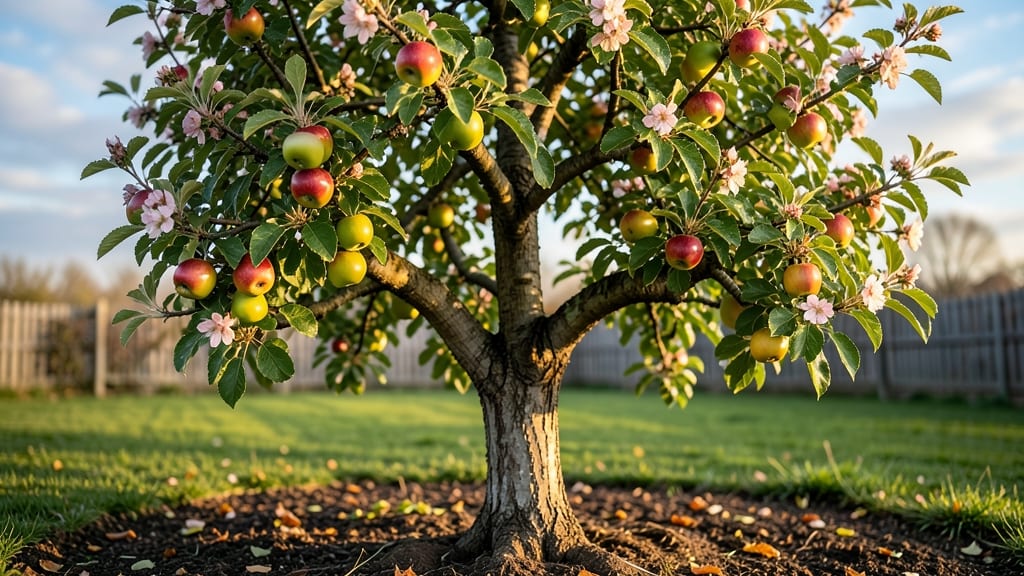
How tall does an apple tree grow? The height of an apple tree can vary dramatically, ranging from 6 feet to over 30 feet, depending on the variety and rootstock you choose.
Wondering whether your backyard can accommodate an apple tree? The height of an apple tree isn’t just about space—it’s about choosing the right variety for your climate, soil, and pruning style.
Dwarf varieties like 'Red Delicious' stay under 10 feet, making them perfect for small gardens, while standard trees can reach 25-30 feet—taller than a two-story house.
Below, I’ll break down the height ranges for dwarf, semi-dwarf, and standard apple trees, plus tips for managing growth so you can enjoy fresh 🍎 without sacrificing yard space.

Apple tree height by variety: dwarf, semi-dwarf, and standard sizes explained
Choosing an apple tree isn’t just about flavor—it’s about space planning. The rootstock you select determines whether your tree will stay compact or reach towering heights. Dwarf varieties like 'Columnar' apples max out at 6–12 feet, while standard trees like 'Granny Smith' can soar 20–30+ feet.
Your yard’s size and sunlight exposure will dictate which option works best.
For small urban gardens, dwarf apple trees are game-changers. They mature quickly, produce fruit in 3–5 years, and fit neatly into patios or raised beds. Semi-dwarf varieties strike a balance, growing 12–16 feet—ideal for suburban backyards.
Meanwhile, standard trees need wide-open spaces and professional pruning to manage their height and fruit load.
Here’s how rootstock influences height—the underground part of the tree controls its growth rate. Dwarfing rootstock like 'M.9' keeps trees small, while semi-dwarf options like 'MM.106' allow moderate growth. Standard trees use seedling rootstock, letting them grow unchecked unless pruned aggressively.
Popular varieties vary in height even within categories. A 'Honeycrisp' on dwarf rootstock stays under 10 feet, but on standard rootstock, it can hit 25 feet. Meanwhile, 'Red Delicious' typically grows 15–20 feet as a semi-dwarf. Always check the rootstock when buying to avoid surprises.
If you’re planting near a fence or under power lines, dwarf or columnar varieties are your best bet. Their compact canopies make them easier to prune and harvest. For commercial orchards, standard trees maximize yield but require heavy-duty equipment and regular pruning to keep branches manageable.
Remember, pruning plays a huge role in controlling height. Even dwarf trees can grow taller if not pruned annually. Use open-center or espalier techniques to shape your tree and encourage outward growth rather than upward. This keeps fruit within easy reach and improves airflow to prevent disease.
For container growing, stick to dwarf varieties like 'Liberty' or 'Zestar!' series. These thrive in 15–20 gallon pots and can be moved to protect from frost. Just ensure the container is at least 2 feet wide to accommodate root growth and add drainage holes to prevent root rot.
Your climate zone also affects height potential. In colder regions (USDA Zones 3–5), apple trees grow slower but may reach their full height potential. Warmer zones (6–9) can see faster growth, so regular pruning becomes even more critical to manage size.
Before planting, measure your space and research mature canopies, not just trunk height. A 20-foot tree needs 15–20 feet of clearance all around for proper airflow and sunlight. Skimping on space leads to crowded branches, poor fruit quality, and increased pest risks.
Pro tip: If you love 'Granny Smith' but lack space, look for 'Granny Smith' on M.9 rootstock. It stays under 10 feet while delivering the same tangy flavor. Always check the tag—rootstock matters more than the variety name when it comes to height.
How fast apple trees grow: annual growth rates and mature timeline
Apple trees don’t grow at the same speed throughout their lives. In their first 3 years, they enter a juvenile growth phase where they focus on building roots and branches rather than producing fruit.
During this time, you’ll typically see 2-4 feet of growth per year, depending on the variety and growing conditions. This rapid early growth sets the foundation for their mature height, which can vary dramatically between dwarf (8-12 ft) and standard (20-30+ ft) varieties.
Once apple trees reach maturity (around years 4-6), their growth rate slows down significantly. At this stage, they may only add 1-2 feet per year, with most of their energy directed toward fruit production instead of height.
Understanding this growth pattern helps you plan your garden layout and pruning schedule to manage the tree’s size effectively over time.
Several factors influence how fast your apple tree grows, including climate, soil quality, and sunlight exposure. Trees in USDA zones 5-8 with well-draining, nutrient-rich soil and 6+ hours of sunlight daily tend to grow faster.
For example, 'Honeycrisp' and 'Fuji' varieties thrive in cooler climates and may reach harvestable height quicker than 'Red Delicious', which prefers warmer conditions. Always choose a variety suited to your local climate for optimal growth.
Pruning plays a critical role in managing an apple tree’s height and growth rate. Regular pruning in late winter or early spring encourages compact growth and improves air circulation, which reduces disease risk.
If you prune aggressively during the juvenile phase, you can limit the tree’s height by up to 30%. However, avoid over-pruning mature trees, as this can stress the tree and reduce fruit production. Always use sterilized pruning shears to prevent bacterial infections.
Fast-growing varieties like 'Anna' or 'Liberty' can reach harvestable height in as few as 3-5 years, while slower-growing types like 'Granny Smith' may take 7-10 years to mature.
If you’re in a hurry to enjoy homegrown apples, opt for a dwarf or semi-dwarf variety grafted onto a dwarfing rootstock, such as 'M.9' or 'B.9'. These rootstocks restrict the tree’s height while maintaining fruit quality and yield.
Monitor your apple tree’s growth closely in its first few years. If you notice stunted growth, check for poor soil drainage, nutrient deficiencies, or pest infestations.
Amending the soil with compost and applying a balanced fertilizer (10-10-10) in early spring can give your tree the boost it needs to reach its full potential. With the right care, your apple tree will not only grow taller but also produce bountiful harvests for decades.