
How To
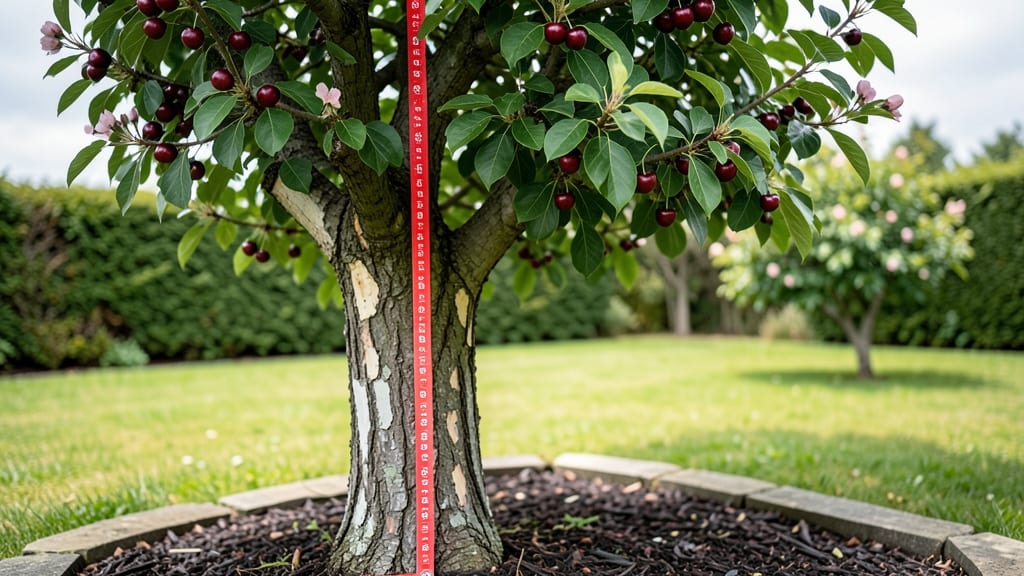
A Bing cherry tree how tall does a bing cherry tree grow between 15 and 25 feet at maturity, but its height depends on the variety you choose—dwarf options can stay under 12 feet, while standard trees reach towering heights.
If you're imagining a backyard tree that fits neatly into your landscape without blocking the view, you might be surprised by how quickly a Bing cherry can outgrow its welcome.
Standard varieties, in particular, can shoot up to 25 feet or more, while dwarf versions stay compact enough for containers or small gardens.
Growth speed also varies: saplings gain 3 to 5 feet in their first two years, then slow as they mature. Pruning, soil quality, and climate play a big role—too much shade or poor drainage can stunt growth, while rich soil and full sun accelerate it.
Below, I’ll break down the height ranges by variety, how fast they grow each year, and the best ways to keep them manageable—whether you’re working with a tiny urban yard or a spacious rural plot.

Bing cherry tree height by variety: dwarf to standard sizes explained
Choosing a Bing cherry tree for your garden starts with understanding its mature height—because what fits in a small backyard looks very different from what thrives in a large orchard.
This iconic variety offers three distinct size categories: dwarf, semi-dwarf, and standard, each with unique spacing and care needs. Let’s explore how tall your Bing cherry tree will grow based on its type, so you can pick the perfect fit for your space.
The standard Bing cherry tree is the tallest variety, reaching 20–30 feet at maturity, while dwarf varieties stay compact at just 8–12 feet. Semi-dwarf trees bridge the gap at 12–18 feet, making them ideal for medium-sized yards.
Your choice isn’t just about height—it also affects fruit production, pruning demands, and even harvesting ease. Let’s break down the specifics to help you decide.
| Variety | Mature Height (ft) | Spacing Needs (ft) | Ideal For | Pruning Needs |
|---|---|---|---|---|
| Dwarf | 8–12 ft | 8–10 ft apart | Containers, small yards, urban gardens | Minimal; shape for aesthetics |
| Semi-Dwarf | 12–18 ft | 12–15 ft apart | Medium yards, patio edges, mixed borders | Moderate; open center for airflow |
| Standard | 20–30 ft | 20–25 ft apart | Large properties, orchards, rural settings | Regular; structural pruning required |
Dwarf Bing cherry trees are the best choice for small spaces like balconies or courtyards. Their compact size—typically 8–12 feet tall—makes them perfect for container growing or tight urban gardens. These trees often require staking or trellising to support their fruit load, and they produce high-quality cherries with minimal effort. Just ensure they get full sun exposure and well-draining soil to thrive.
If you have a medium-sized yard, a semi-dwarf Bing cherry tree strikes the perfect balance. These trees grow 12–18 feet tall, making them easier to manage than standard varieties while still offering abundant harvests.
They’re ideal for planting near patio edges or as a focal point in mixed borders. Space them 12–15 feet apart to allow airflow and reduce disease risk.
For those with large properties or rural land, the standard Bing cherry tree delivers the classic experience. These trees can soar to 20–30 feet, producing heavy fruit crops that require regular pruning to maintain health and shape.
Plant them 20–25 feet apart to accommodate their size and ensure proper cross-pollination if you’re planting multiple trees.
Regardless of the variety, all Bing cherry trees need well-draining soil and 6–8 hours of sunlight daily. Dwarf varieties benefit from regular watering to prevent stress, while standard trees develop deeper root systems that make them more drought-tolerant once established.
Mulching around the base helps retain moisture and regulate soil temperature year-round.
One often-overlooked factor in height management is pruning strategy. Dwarf trees need light pruning to maintain shape, while standard trees require annual structural pruning to control height and improve fruit access.
Always prune in late winter or early spring before new growth begins. Use sterilized tools to prevent disease spread, and remove dead or crossing branches first.
If you’re planting multiple Bing cherry trees, consider spacing for pollination. While Bing cherries are self-pollinating, planting two trees 20–30 feet apart can boost yield. For dwarf varieties, even closer spacing (as little as 8 feet) works well, but ensure they’re not overcrowded.
Overcrowding leads to poor airflow, increasing the risk of fungal diseases like brown rot.
For container growing, choose a dwarf Bing cherry tree and select a pot at least 18–24 inches wide with drainage holes. Use a lightweight potting mix and fertilize every 4–6 weeks during the growing season.
Containers dry out faster, so monitor soil moisture closely—water deeply when the top inch feels dry. Move pots to a sunny outdoor spot in summer and bring them indoors (or protect from frost) in winter.
Remember, the height of your Bing cherry tree isn’t set in stone—pruning and training can influence its final size. With the right care, even a standard tree can be kept slightly shorter, while a dwarf variety can be encouraged to grow taller if given extra space.
Start with the variety that fits your goals, then adjust as it matures. Your perfect cherry tree is just a few seasons away! 🌱
How fast does a Bing cherry tree grow? Height progression by age
If you planted a Bing cherry tree sapling last spring, you’re probably curious about how quickly it’ll grow. The answer depends on its variety—standard trees can reach 20-30 feet in 10-15 years, while dwarf varieties stay under 12 feet.
Understanding this progression helps you plan for spacing, pruning, and even future harvests. Let’s explore the year-by-year growth stages so you can visualize your tree’s journey from seedling to mature fruit producer.
In the first year, your Bing cherry tree will focus on root development rather than height. Expect a 1-2 foot sapling with a slender trunk. By year two, growth accelerates slightly, reaching 3-5 feet if planted in well-draining soil with full sun.
This early stage is critical—poor soil or shade can stunt growth permanently. Mulch around the base and water deeply once a week to encourage strong root systems that support future height gains.
| Age (Years) | Height Range | Growth Notes |
|---|---|---|
| 1 | 1–2 ft | Root development phase; minimal height gain |
| 2 | 3–5 ft | Trunk thickens; first branches form |
| 3–5 | 6–10 ft | Rapid vertical growth; needs annual pruning |
| 6–8 | 12–18 ft | Canopy fills out; first fruit production |
| 9–12 | 18–25 ft | Mature height; full fruit-bearing capacity |
Between years 3 and 5, your Bing cherry tree enters its most rapid growth phase, potentially adding 3-5 feet annually if conditions are ideal. This is when you’ll notice the tree’s canopy expand significantly. To maintain a manageable height, prune in late winter or early spring before new growth begins.
Focus on removing suckers (shoots at the base) and thinning crowded branches to improve airflow and sunlight penetration—both critical for fruit production.
By years 6–8, your tree will likely reach 12–18 feet, depending on its variety. Standard Bing cherries may start producing heavy crops, which can slow height growth temporarily as the tree allocates energy to fruit development.
During this stage, ensure your tree receives balanced fertilization (10-10-10 NPK) in early spring and summer. Over-fertilizing can lead to excessive leafy growth at the expense of fruit, so follow a light feed schedule—about once every 6 weeks during the growing season.
After year 8, growth slows as the tree matures, with height increases of just 1-2 feet annually. By age 10–12, a standard Bing cherry tree will typically reach its mature height of 20–25 feet.
If you planted a dwarf variety, expect it to top out around 8–12 feet, making it ideal for smaller yards or container growing.
At this stage, focus on maintenance pruning to remove dead wood, shape the canopy, and open the center for better light exposure—this ensures continued fruit production for decades.
Climate plays a huge role in growth rate. In USDA zones 6–8, Bing cherry trees thrive with 6–8 hours of sunlight daily and well-draining soil. Cooler climates may slow early growth, while warmer zones can accelerate it.
For example, in Zone 7, a tree might reach 10 feet by year 5, while in Zone 6, it could take an extra year.
Always choose a planting site with full sun exposure and protect young trees from late frosts, which can damage blossoms and reduce fruit set.
With proper care, your Bing cherry tree will reward you with decades of sweet cherries while adding beauty to your landscape. Whether you’re planning for a backyard orchard or a single statement tree, understanding its growth progression helps you make informed decisions about spacing, pruning, and long-term maintenance.
Start small, but think big—your future harvests depend on the foundation you build today. 🍒🌳