
How To
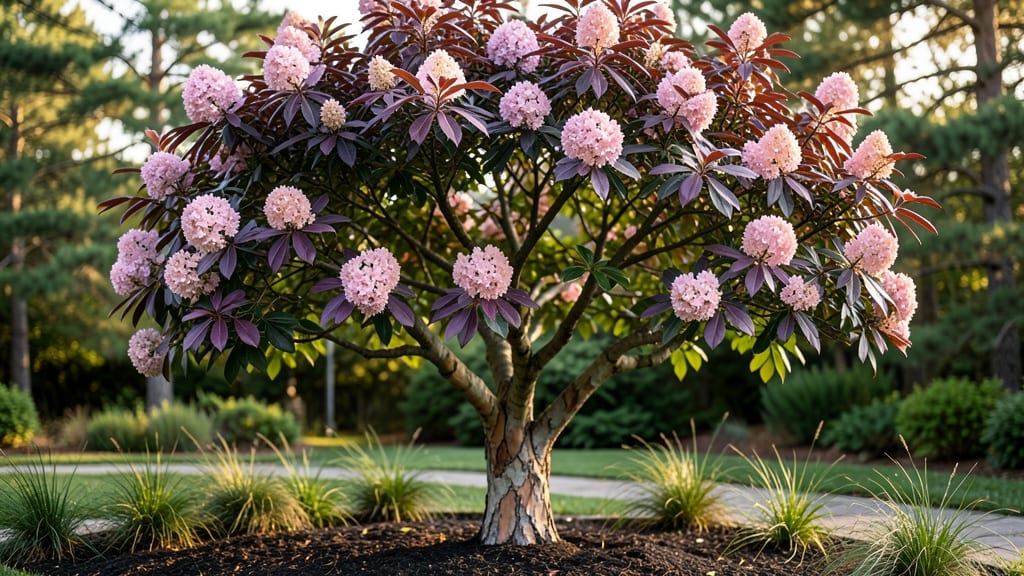
A crepe myrtle tree’s height can grow how tall does a crepe myrtle tree grow anywhere from 6 feet to towering 30 feet, depending on the variety you choose 🌸 — and that difference makes all the difference in your yard’s layout.
Picture this: a dwarf variety like 'Arapaho' stays neatly under 8 feet, perfect for small gardens or container planting, while a standard 'Natchez' stretches toward the sky like a small skyscraper. The wrong choice could mean trimming headaches or wasted space for years.
Below, I break down the exact height ranges for dwarf, semi-dwarf, and giant cultivars, plus how to pick the right size for your space, sunlight, and long-term care goals.
You’ll also discover how pruning and planting location can control growth, so you get the stunning blooms without the overgrowth.

Crepe myrtle tree height ranges by variety: small to giant sizes
Crepe myrtles are famous for their vibrant blooms and adaptability, but their mature height can vary from compact shrubs to towering trees. The variety you choose determines whether your crepe myrtle will stay under 10 feet or reach 30 feet—or anything in between.
I’ve grown several varieties myself, and the differences are night-and-day when it comes to space planning.
For small spaces, dwarf varieties like 'Arapaho' max out at just 6–8 feet, making them perfect for patio gardens or foundation plantings. On the other end, standard varieties like 'Natchez' can soar to 20–30 feet, ideal for statement focal points in large yards.
The spread matters too—some varieties grow wider than they do tall, while others stay more upright.
Here’s the key: height isn’t the only factor. Growth rate, mature spread, and pruning response all play a role in how a crepe myrtle fits into your landscape.
For example, 'Tonto' grows 3–4 feet per year in ideal conditions, while 'Dwarf Oso' stays put at 6–8 feet even after a decade. Let’s break it down by category so you can pick the perfect fit.
If you’re working with limited space, the 'Arapaho' and 'Dwarf Oso' varieties are my top picks—they stay under 8 feet tall and 7 feet wide, making them ideal for small gardens or containers.
I’ve seen them thrive in urban courtyards where larger trees would overwhelm the area. Their slow growth rate means less pruning too.
For medium-sized yards, varieties like 'Catawba' (12–15 feet) or 'Muskogee' (15–20 feet) strike a balance. These can serve as privacy screens or shade providers without dominating the landscape. Just be mindful of their spread—some can grow 10 feet wide, so plant them 10–15 feet from structures.
When it comes to statement trees, 'Natchez' and 'Tonto' are the giants of the crepe myrtle world. These varieties can reach 30 feet tall and 15 feet wide, making them perfect for <
How to choose the right crepe myrtle size for your yard layout
Selecting the perfect crepe myrtle size starts with understanding your yard’s dimensions and sunlight exposure. These trees grow dramatically differently based on variety, so measuring your space before planting is critical.
A 6-foot dwarf variety like 'Arapaho' fits cozy patios, while a 25-foot giant like 'Natchez' needs room to shine as a focal point.
Consider your landscape goals too—whether you want a privacy screen, shade tree, or colorful summer accent. Each height range serves a unique purpose, and choosing wisely prevents future pruning headaches. For example, semi-dwarf varieties (12-18 ft) strike a balance for medium-sized yards.
Crepe Myrtle Height Quick Guide
- Dwarf (6-12 ft): 'Arapaho', 'Tonto' – Perfect for small gardens or containers
- Semi-Dwarf (12-18 ft): 'Catawba', 'Muskogee' – Ideal for medium yards and privacy hedges
- Standard (20-30 ft): 'Natchez', 'Biloxi' – Best for large properties or as statement trees
💡 Pro Tip: Always check mature height (not juvenile size) when shopping!
Spacing is just as important as height—crepe myrtles need room to breathe. Plant dwarf varieties 8-10 feet apart, while standard types require 15-20 feet of clearance to prevent overcrowding. Check your tree’s mature spread (often 6-12 feet) to ensure branches won’t encroach on walkways or structures.
Sunlight exposure affects height too—full sun (6+ hours daily) fuels rapid growth, while partial shade may stunt a tree by 30-50%. If your yard has limited sun, opt for dwarf varieties or plan to prune aggressively.
Always plant in well-draining soil to prevent root rot, which can weaken a tree’s structure.
Pruning is your secret weapon for height control. For dwarf varieties, prune lightly in late winter to shape and encourage blooms. For taller trees, use the selective pruning method: remove 1/3 of the tallest branches annually to maintain your desired height.
Never "top" crepe myrtles—this creates unsightly, weak growth.
Avoid these common mistakes that lead to overgrowth: planting too close to power lines, ignoring root flare exposure (bury roots no deeper than they were in the nursery), or skipping annual pruning.
I once saw a 12-foot 'Catawba' grow into a power line in just 3 years—always check local utility clearance rules before planting!