
How To
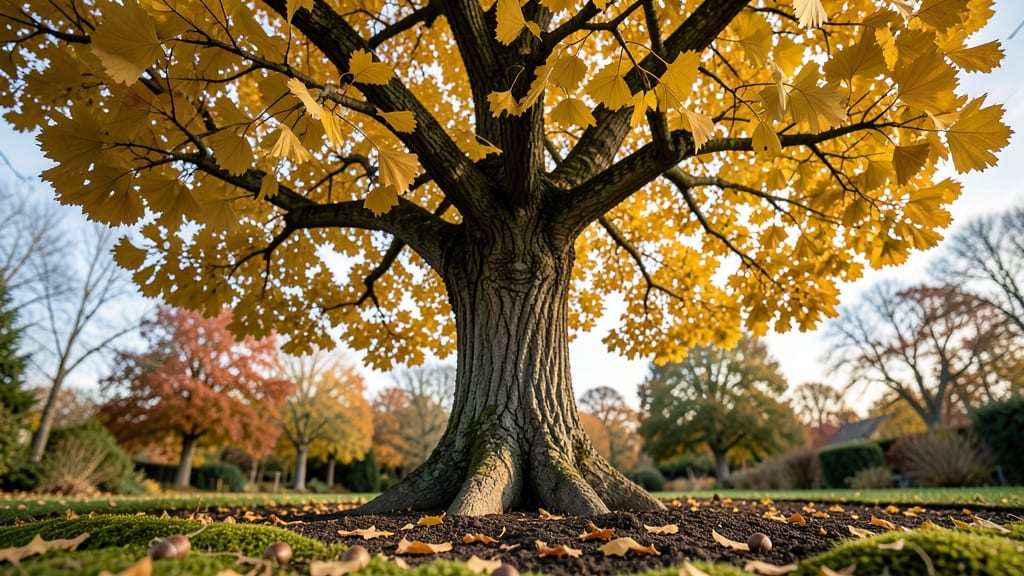
A ginkgo tree can grow how tall does a ginkgo tree grow to heights between 30 and 120 feet, depending on its variety and growing conditions 🌳—a range that can turn your backyard into a towering forest or a manageable shade provider.
If you're considering planting a ginkgo tree, knowing its growth potential is critical—this ancient species can become a towering giant or a manageable shade tree, depending on its variety and growing conditions.
Most ginkgo trees reach their full height in 20 to 30 years, but their growth rate varies dramatically. Some varieties grow just 1 to 2 feet per year in their early years, while others can shoot up 3 feet or more under ideal conditions.
Below, I break down how to manage its size—whether you're aiming for a dwarf look or just want to keep it from shading your entire property. You'll also learn how pruning, soil quality, and sunlight exposure can shape its final height.

Ginkgo tree height by variety: from dwarf to giant specimens
A ginkgo tree's height potential varies dramatically by variety, with mature specimens ranging from 30 feet to over 100 feet.
While there are no true dwarf varieties, some cultivars like 'Fairmount' and 'Princeton Sentry' stay compact enough for urban landscapes, while others like 'Horstman's Giant' can dominate even large properties. Understanding these differences helps you choose the right specimen for your space and long-term goals.
The standard ginkgo (Ginkgo biloba) typically reaches 60-80 feet at maturity, but its growth habit—whether upright or spreading—can influence how it occupies your yard. For example, the 'Autumn Gold' variety grows 50-70 feet tall with a spreading canopy, while 'Fairmount' remains more columnar at 30-40 feet.
Pruning can further adjust height, but it's essential to start early to avoid dealing with massive branches later.
| Variety | Mature Height (ft) | Growth Rate (ft/year) | Canopy Spread (ft) | Best For |
|---|---|---|---|---|
| 'Fairmount' | 30-40 | 2-3 | 15-25 | Urban yards, small spaces |
| 'Princeton Sentry' | 40-50 | 2-4 | 20-30 | Street trees, narrow lots |
| 'Autumn Gold' | 50-70 | 3-5 | 30-40 | Large yards, parks |
| 'Horstman's Giant' | 80-100+ | 4-6 | 40-50 | Rural properties, estates |
| Standard Ginkgo | 60-80 | 3-4 | 30-45 | General landscapes |
The 'Fairmount' variety is my top recommendation for gardeners with limited space, as it matures at just 30-40 feet while maintaining a narrow, columnar shape. This makes it ideal for urban planting or lining streets without overwhelming sidewalks.
Its golden fall foliage adds seasonal interest without the height concerns of larger varieties.
For those seeking a statement tree, 'Horstman's Giant' is unmatched, capable of reaching 100 feet or more under ideal conditions. This variety grows 4-6 feet per year in its early years, making it one of the fastest-growing ginkgo cultivars.
However, its massive size requires ample space and regular pruning to maintain structural integrity.
If you're torn between varieties, consider the 'Princeton Sentry', which combines moderate height (40-50 feet) with a narrow, upright form. This makes it perfect for smaller suburban lots where you want shade without sacrificing yard space. Its disease resistance also makes it a low-maintenance choice for busy gardeners.
Pruning plays a critical role in managing ginkgo height, especially for varieties like 'Autumn Gold' that naturally grow tall. Structural pruning in the first 5 years establishes a strong framework, while annual maintenance pruning keeps the canopy in check.
Avoid over-pruning, as ginkgo trees are sensitive to excessive cutting and may produce fewer leaves or weaker growth.
For maximum height control, focus on removing lower branches early
Decade-by-decade growth rate: how fast does a ginkgo tree reach maturity?
A ginkgo tree grows at a steady pace during its first decade, with dramatic height gains in subsequent years. In its natural environment, this ancient species can reach maturity within 30-50 years, but growth rates vary based on climate, soil quality, and sunlight exposure.
Understanding these stages helps you plan for long-term care and space requirements.
During the first 10 years, a ginkgo tree typically grows 3-5 feet per year under ideal conditions. For example, a 3-year-old tree planted in well-draining soil with full sun exposure in USDA Zone 6 or warmer can reach 12-18 feet tall.
However, slower growth (1-2 feet per year) may occur in cooler climates or poor soil.
| Decade | Height Range (ft) | Growth Rate (ft/year) | Key Factors |
|---|---|---|---|
| 0-10 years | 10-30 ft | 3-5 ft/year | Soil, sunlight, pruning |
| 10-20 years | 30-60 ft | 2-4 ft/year | Root system expansion |
| 20-30 years | 60-80 ft | 1-3 ft/year | Climate, water access |
| 30+ years | 80-120 ft | 0.5-2 ft/year | Mature slowdown |
Between years 10-20, ginkgo trees experience their fastest growth phase, often adding 2-4 feet annually.
A 15-year-old tree in optimal conditions can easily surpass 50 feet, making it a striking focal point in landscapes. Urban planting may slow growth due to pollution or limited space, while rural areas with rich soil and full sunlight accelerate development.
After 20 years, growth rates gradually decline as the tree matures, but it continues gaining 1-3 feet per year.
By 30 years, most ginkgo trees reach their mature height of 60-80 feet, though exceptional specimens in ideal climates can exceed 100 feet. Pruning during this stage can help manage height while maintaining a balanced canopy.
In cooler climates like USDA Zone 5, growth may slow significantly, especially in winter-prone areas. Conversely, warmer zones (7-9) with longer growing seasons support faster, more consistent growth. Always consider your local climate when estimating a ginkgo tree’s timeline to maturity.
For gardeners with limited space, selecting a smaller variety like 'Fairmount' (mature height of 30-40 feet) can be a practical choice. However, even these varieties require 10-15 years to reach half their mature height, so long-term planning is essential.
Regular soil testing and mulching can further optimize growth rates.