
How To
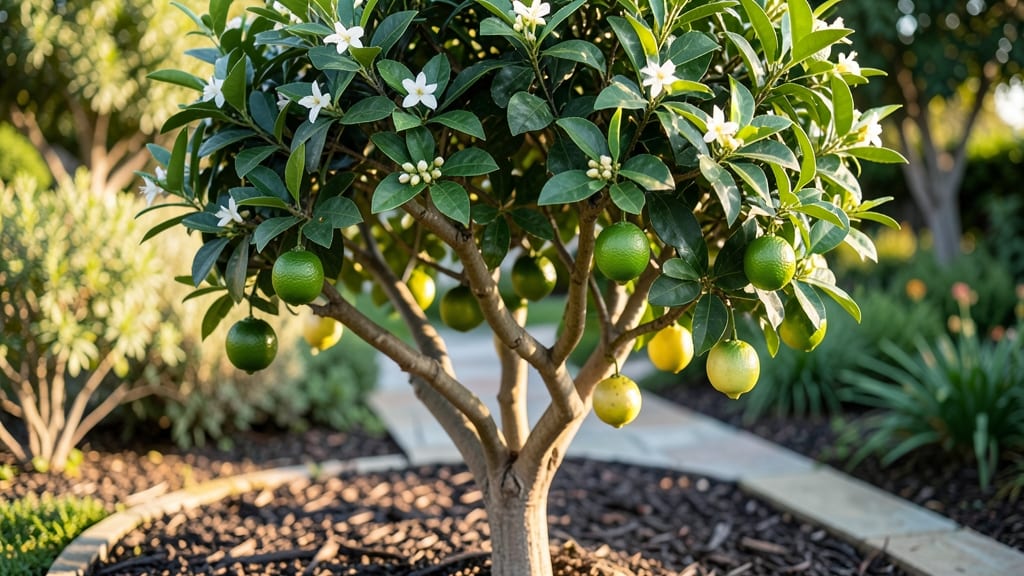
How tall does a key lime tree grow? A mature key lime tree reaches heights of 6 to 20 feet, but the right variety and pruning can keep it compact for small spaces.
Dreaming of growing your own key limes but worried about limited space? The height of a key lime tree—whether dwarf, semi-dwarf, or standard—could make all the difference in your garden plan.
Standard varieties can tower over 15 feet, while carefully pruned or grafted types stay under 6 feet, making them perfect for containers or urban yards.
In General (Tropical/Subtropical) zones like 9b-11, these trees thrive year-round, but their size depends on your goals. If you want easy harvesting, a 6-foot tree fits neatly in a large pot, while unpruned trees can reach 20 feet in ideal conditions.
The key? Choosing the right type and learning how to control its growth.
Below, I break down the height ranges for different varieties, how to prune for smaller sizes, and whether a key lime tree can truly thrive in a 5-gallon container. You’ll leave with a clear plan for fitting this citrus powerhouse into your space—no matter how tight it is.

Key lime tree height guide: standard vs. compact varieties explained
If you're planning to grow a key lime tree (Citrus aurantifolia), understanding its mature height is crucial for space planning. Standard varieties can reach 15–25 feet, while compact options stay under 6 feet.
The right choice depends on your garden layout, climate, and whether you're growing in the ground or containers.
Key lime trees grow quickly—expect 2–4 feet in their first year—and their final height depends on variety, pruning habits, and growing conditions. In warm climates like Florida or California, they thrive year-round, while cooler zones may need container growing or winter protection.
For small gardens or urban spaces, dwarf and semi-dwarf varieties are game-changers. These compact types produce just as many limes as standard trees but require far less space. Let’s break down the options so you can pick the perfect fit for your setup.
🌱
| Variety Type | Mature Height Range | Growth Rate (Year 1) | Ideal Spacing (In-Ground) | Container Suitability |
|---|---|---|---|---|
| Standard (Wild Type) | 15–25 ft | 2–4 ft | 15–20 ft from structures | Not recommended (too large) |
| Semi-Dwarf (Grafted) | 8–12 ft | 1.5–3 ft | 8–10 ft from structures | Large containers (30+ gallons) |
| True Dwarf (Grafted) | 4–6 ft | 1–2 ft | 5–6 ft from structures | Medium containers (15–25 gallons) |
Standard key lime trees dominate landscapes with their towering 15–25-foot height, making them ideal for rural properties or large gardens. These trees develop a multi-trunked structure and thrive in USDA Zones 9b–11, where frost isn’t a concern.
If you’re growing one in your yard, plan for 15–20 feet of clearance around the tree to avoid shading structures or power lines.
Semi-dwarf varieties strike a balance, reaching 8–12 feet at maturity. These are often grafted onto dwarfing rootstock like Citrus macrophylla or Poncirus trifoliata, which slows their growth while maintaining fruit production.
Semi-dwarfs are perfect for medium-sized yards or patios where you want a statement tree without the space demands of a standard variety.
For urban gardeners, balconies, or small patios, true dwarf key lime trees (4–6 feet tall) are the ultimate solution. These grafted varieties produce abundant fruit in a compact form, making them ideal for container growing.
A 15–25-gallon pot with drainage holes and regular pruning will keep them manageable while ensuring a steady harvest of bright green key limes.
Pruning plays a critical role in controlling height, especially for standard varieties. By pruning in late winter, you can shape the tree, encourage bushier growth, and keep it within desired limits.
For container-grown trees, annual pruning is essential to prevent root-bound stress and maintain compact size. Always use sterilized pruners to avoid disease spread.
🪴
When spacing key lime trees, remember that root competition is a real concern. Standard trees need 15–20 feet between them, while semi-dwarfs can tolerate 8–10 feet. Dwarf varieties can be planted as close as 5–6 feet apart if grown in containers.
If you’re planting multiple trees, consider their mature size to avoid overcrowding, which can reduce fruit yield and increase pest risks.
One common misconception is that dwarf varieties produce fewer limes. In reality, they often yield just as much as standard trees—it’s just concentrated in a smaller space! With proper care, a 6-foot dwarf tree can produce 50–100 limes per year, perfect for home use or small-scale selling.
The key is to fertilize regularly with a balanced citrus blend (6-6-6 NPK) and ensure they receive full sun (6+ hours daily).
💧
Best key lime tree varieties for small yards and containers
If you love the tangy zest of key limes but lack space for a towering citrus tree, don’t worry—there are compact varieties perfect for small yards and containers. The right choice can mean abundant fruit without sacrificing your garden’s layout. Let’s explore the best options for space-conscious growers.
Standard key lime trees (Citrus aurantifolia) can reach 15–25 feet tall, making them impractical for patios or balconies. However, dwarf and semi-dwarf varieties—often grafted onto smaller rootstock—stay manageable while still producing delicious fruit.
These varieties thrive in containers as small as 15–25 gallons, provided they get enough sunlight.
- Mexican Lime (Citrus aurantifolia) – 8–12 ft tall, vigorous grower, classic key lime flavor. Ideal for ground planting in small yards.
- Bearss Lime (Citrus × latifolia) – 6–10 ft tall, hybrid with larger fruit, great for containers (20+ gallons).
- Dwarf Grafted Key Lime – 4–6 ft tall, slow-growing, perfect for patios and balconies (15–25 gallon pots).
- Calamondin Orange (Citrus × microcarpa) – 6–10 ft tall, cold-hardy, ornamental fruit, thrives in small containers.
- Lemon-Lime Hybrid (e.g., 'Meyer Lime') – 6–8 ft tall, sweeter flavor, adaptable to small spaces.
When selecting a variety, prioritize rootstock type—dwarf rootstock like Swingle citrumelo or Carrizo citrange keeps trees compact. For containers, choose a pot with drainage holes and use a well-draining citrus mix to prevent root rot.
To maximize fruit production in limited space, prune regularly to encourage bushier growth. Remove suckers at the base and shape the tree to fit your container or yard. With proper care, even a 4-foot dwarf can yield dozens of key limes per season.
Remember, sunlight is non-negotiable—these trees need 6+ hours of direct sun daily, even in containers. Place them near a south-facing wall or use grow lights in winter if you’re in a cooler climate. With the right variety and care, you’ll enjoy fresh key limes without the space constraints!
Start small with a dwarf grafted key lime in a container, and watch your citrus dreams take root—literally! 🌱