
How To
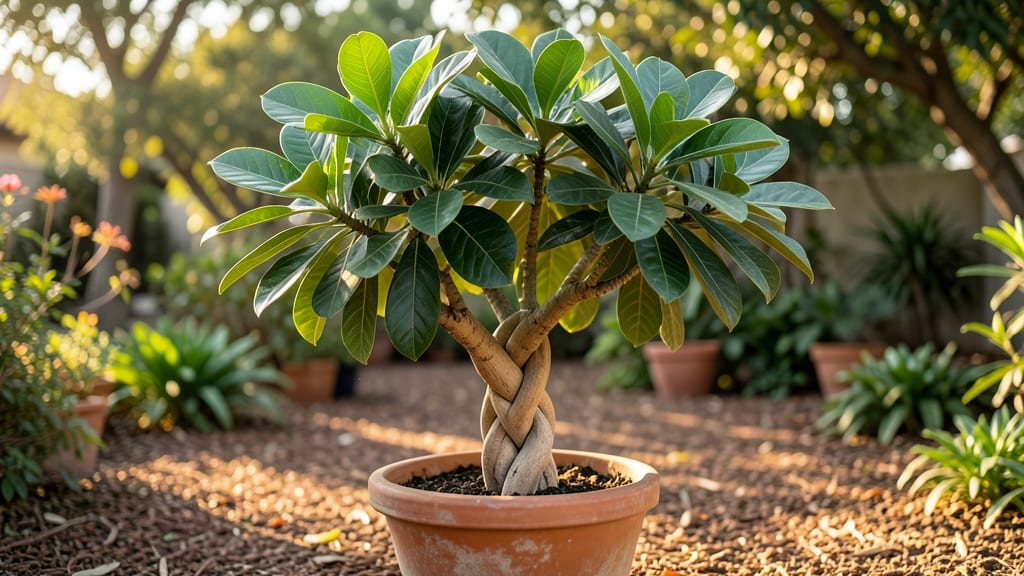
A Money Tree 🌿 typically grows between 3 and 10 feet tall indoors, depending on how you care for it—whether you prune it or let it stretch toward the ceiling.
Picture this: your braided Money Tree reaching for the light fixture, its leaves dusting the top of your bookshelf. That’s the unpruned version, a slow but steady climber that can top 6 feet in just a few years if left unchecked.
The good news? With the right techniques, you can keep it compact and manageable—even in small spaces.
Indoor Money Trees grow at a steady pace, adding 6 to 12 inches per year under ideal conditions. Light exposure, pot size, and pruning all play a role in whether it stays a tabletop statement or a room-dividing giant.
The key is balancing its natural growth with your space and aesthetic goals.
In this guide, I’ll break down how to control its height, compare indoor vs. outdoor growth, and share tips to keep your Money Tree thriving—whether you want it to stay under 3 feet or let it grow wild.

Natural height range of money trees: what to expect indoors
If you've ever wondered, "how tall does a money tree grow" indoors, the answer depends on several factors, including light exposure and care habits. Under ideal conditions, a Pachira aquatica typically reaches 3 to 6 feet tall over 3-5 years.
However, with proper pruning and container management, you can keep it even smaller—perfect for apartments or offices.
Money trees grow at a moderate pace, adding 6 to 12 inches per year when happy. Their growth slows in winter but speeds up during spring and summer.
Without pruning, some varieties can even stretch toward 8 feet indoors, though this is less common due to limited space and light.
The summary-table below breaks down the key growth expectations for indoor money trees, including height milestones and factors that influence their size.
One of the biggest factors affecting your money tree's height is light exposure. These tropical plants thrive in bright, indirect light, which encourages steady growth.
Place yours near an east- or west-facing window for optimal results. If light is limited, growth will slow, and the plant may become leggy.
Pot size also plays a crucial role. Money trees are root-bound sensitive, meaning they grow faster when slightly crowded. However, if left in the same pot for too long, roots can circle and stunt growth.
Repotting every 2-3 years into a container just 1-2 inches larger helps maintain healthy growth without excessive height.
Did you know? Some money tree varieties, like the Pachira aquatica 'Money Tree', naturally grow slower than others. If you're aiming for a compact, bonsai-style tree, choose a dwarf variety or prune aggressively. Regular topping (cutting back) encourages bushier growth and controls height effectively.
Humidity levels can also impact height. Money trees love 60-80% humidity, which mimics their tropical origins. In dry indoor air, growth may slow, and leaves can yellow. Use a humidifier or place the pot on a pebble tray to keep moisture levels ideal for steady growth.
Finally, fertilization habits matter. Over-fertilizing can lead to rapid, weak growth, while under-fertilizing slows development. Use a balanced 10-10-10 fertilizer every 4-6 weeks during spring and summer to support healthy, controlled growth.
With the right care, your money tree will thrive at a manageable height while adding that tropical charm to your space. Start by placing it in the perfect light spot, then adjust pruning and fertilizing as needed to keep it at your desired size.
Proven techniques to control money tree height for small spaces
If your money tree (Pachira aquatica) is growing taller than your ceiling fan, don’t panic! With the right pruning techniques and growth management, you can keep it at a manageable 2-3 feet while maintaining its lush, tropical look.
The key is understanding when and how to prune without stressing the plant. Unlike some houseplants, money trees respond well to controlled pruning, making them perfect for small spaces.
Before you grab your pruning shears, remember that timing is everything. Pruning at the wrong time can stunt growth or cause stress. The best time to prune is in early spring when the plant is entering its active growth phase.
This gives your money tree plenty of time to recover and sprout new leaves. Avoid pruning during winter when the plant is dormant, as it may not recover as well.
Step-by-Step Guide to Pruning Your Money Tree
-
Step 1: Choose the Right Tools
Use sterilized pruning shears or sharp scissors to make clean cuts. Avoid tearing the bark, as this can invite pests or disease. -
Step 2: Identify the Pruning Point
Look for a leaf node (the bump where leaves grow) just above your desired height. Cut just above this node at a 45-degree angle to encourage new growth. -
Step 3: Prune Just Above a Leaf Node
Make your cut 1/4 inch above the node to promote a bushier, fuller plant. Avoid cutting too close to the node, or the stem may not regrow properly. -
Step 4: Remove Lower Leaves
Strip leaves from the lower 1/3 of the stem to encourage a cleaner, more compact shape. This also prevents legginess as the plant grows taller. -
Step 5: Topping for Bushier Growth
If you want a fuller money tree, cut the top stem just above a node. This will stimulate side branches to grow, creating a bushier appearance. -
Step 6: Monitor for New Growth
After pruning, place the plant in bright, indirect light and keep the soil moist but not soggy. New leaves should sprout within 4-6 weeks. -
Step 7: Repot if Root-Bound
If your money tree is root-bound, gently remove it from its pot and trim any circled or tangled roots. Repot in a slightly larger container with fresh, well-draining soil to encourage healthier growth.
Another effective way to control height is through root pruning. If your money tree’s roots are circling the pot, it’s a sign it’s time to repot. Root-bound plants often grow taller as they stretch for nutrients.
When repotting, trim 10-20% of the roots to encourage outward growth rather than upward. This technique helps keep your plant compact and manageable while ensuring it thrives.
For those who love the braided stems of a money tree, pruning doesn’t have to ruin the aesthetic. Simply prune the top stem evenly to maintain the braids while keeping the height in check.
If you notice uneven growth or leggy stems, a light pruning session every 6-12 months will keep it looking polished and proportional to your space.
Remember, the goal is to encourage healthy growth, not to stunt it. With consistent care, your money tree will stay at your desired height while remaining vibrant and full. Happy pruning!