
How To
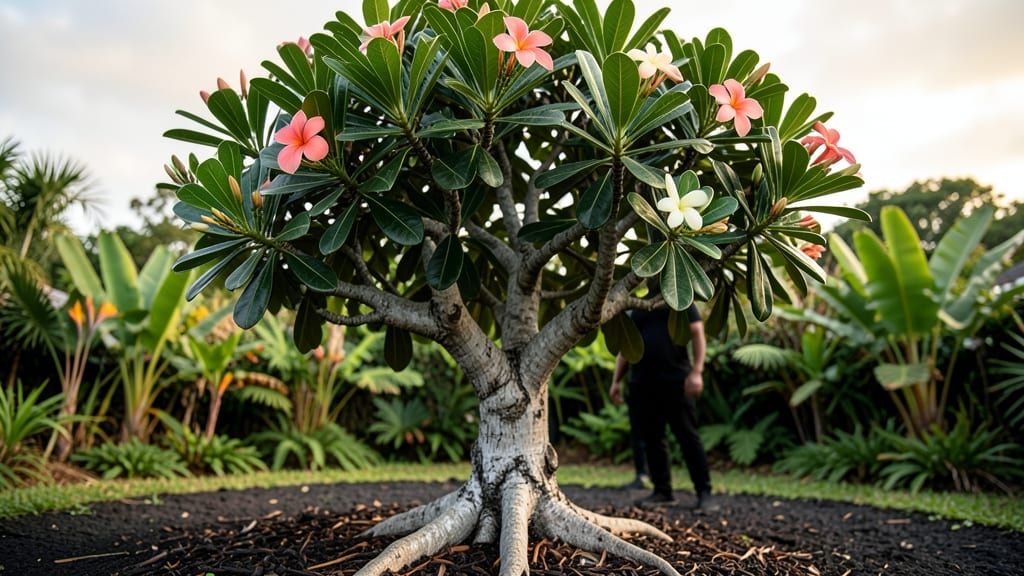
A plumeria tree grows between 6 and 30 feet tall, depending on the variety and growing conditions—so whether you’re dreaming of a tropical statement piece or a compact patio centerpiece, the right choice exists.
If you’ve ever dreamed of growing a fragrant plumeria tree but wondered whether it’ll dwarf your backyard or soar like a tropical giant, you’re not alone. Height varies wildly by variety and care, with some reaching three stories tall while others stay manageable at 3 feet.
In USDA Zones 10–12, plumeria thrives year-round, but even within those zones, species like Plumeria rubra can stretch toward 20 feet, while dwarf varieties like Plumeria obtusa stay under 6 feet. Climate, pruning, and container size all play a role in shaping your tree’s future.
Below, I’ll break down the exact height ranges by variety, how to control growth naturally, and the best climates for each type—so you can pick the perfect plumeria for your space.

Plumeria tree height by variety: exact growth ranges for popular types
Choosing a plumeria variety isn’t just about flower color—it’s about space planning. Some types stay under 6 feet tall while others reach 30 feet in ideal conditions. The difference often comes down to genetics and growing conditions.
For example, my Plumeria rubra in Florida grows 20 feet tall with minimal pruning, while a Plumeria obtusa in a container stays under 5 feet. Let’s break down the exact heights you can expect from popular varieties.
Plumeria trees are woody perennials that thrive in warm climates, but their mature size depends heavily on the variety. Dwarf types like Plumeria pudica are perfect for containers or small gardens, while standard types like Plumeria alba need room to spread.
Even within the same species, container-grown plants stay 30-50% smaller than those planted in the ground. Understanding these ranges helps you pick the right variety for your space.
Here’s a quick comparison of 10 popular plumeria varieties and their typical mature heights. I’ve included notes on their growth habits and ideal uses to help you visualize how they’ll fit into your garden or patio.
If you’re growing plumeria in containers, expect heights to be 30-50% shorter than ground-planted trees. For example, a Plumeria rubra that reaches 25 feet in the ground might only hit 10-12 feet in a large pot.
Container size matters too—I’ve seen 5-gallon pots restrict growth to 3-4 feet after 3 years, while 15-gallon pots allow 6-8 feet of growth.
Pruning plays a huge role in controlling height. Heavy pruning in late winter or early spring can reduce height by 30-50% while encouraging bushier growth. My Plumeria alba was 22 feet tall before pruning—now it’s a managed 12-foot specimen with a fuller canopy.
Just remember: prune just above a leaf node to encourage new growth, and avoid cutting into old wood.
Climate also affects height. In USDA Zones 10-12, plumeria trees grow unrestricted and reach their full potential. But in Zone 9 or cooler, growth slows significantly, and mature heights may only reach 50-70% of their
How climate zones affect plumeria tree height: USDA Zone guide
If you live in USDA Zone 9 and your plumeria stays stubbornly small while neighbors in Zone 11 boast towering specimens, climate is likely the culprit. Plumerias are tropical divas—they thrive in warmth but struggle when temperatures dip below 40°F.
In cooler zones, their growth slows dramatically, often reaching only 30-50% of their tropical potential. Understanding your zone’s impact helps you set realistic height expectations and adjust care routines.
Temperature isn’t the only factor—humidity and seasonal dormancy also play critical roles. In arid Zone 10, plumeria growth may accelerate, but without proper moisture, branches can become brittle. Meanwhile, high humidity in Zone 12 encourages lush, rapid vertical growth.
Let’s break down how these variables interact to shape your plumeria’s height, so you can optimize care for your specific climate.
🌺 Key Insight: A Plumeria rubra in Zone 11 may hit 20-30 feet, while the same variety in Zone 9 might max out at 8-12 feet without winter protection. The difference? Cold stress triggers dormancy, stunting growth cycles.
In Zone 8, plumeria trees are essentially annuals—they’ll only survive one growing season unless you bring them indoors or use containers for mobility.
The key to success in cooler zones is timing: Plant in late spring after the last frost, and move potted trees to a sunroom or garage when temps drop below 50°F. Without this protection, your plumeria will focus energy on survival, not height.
For Zone 9 gardeners, the secret lies in mulching and microclimates. Apply a 4-inch layer of mulch around the base to insulate roots, and group plumerias near south-facing walls to capture extra heat.
Even with these steps, expect 50% slower growth compared to tropical zones. Prune aggressively in late winter to encourage bushier growth and compensate for stunted vertical expansion.
If you’re in Zone 10 or warmer, your plumeria’s height is primarily limited by variety and pruning habits. Standard types like Plumeria obtusa can easily reach 20 feet, while dwarf varieties like Plumeria pudica max out at 6 feet.
The real trick? Prune in early summer to redirect energy upward. Avoid heavy pruning in fall—this stresses the tree before its natural dormancy period.
🌱 Pro Tip: In Zone 11 and 12, plumerias grow so fast they can outpace your pruning tools! Schedule quarterly pruning sessions to maintain shape and prevent weak branch formation.
And remember: More sun = taller trees. Plumerias in full sun grow 30% faster than those in partial shade.