
How To
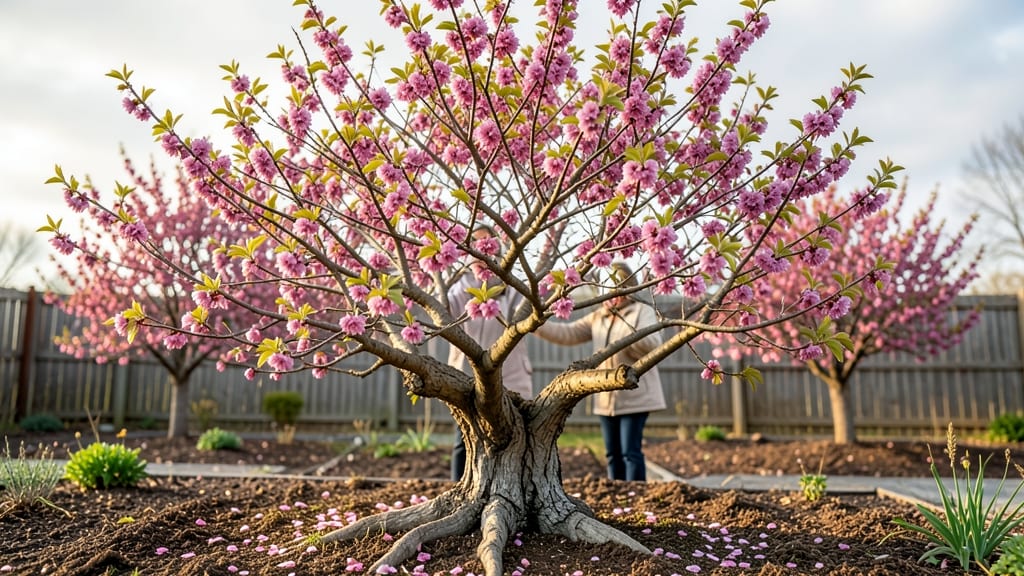
A redbud tree grows to 12 to 18 feet tall at maturity, making it a perfect fit for small gardens or urban landscapes where space is limited.
If you're dreaming of a stunning springtime tree with delicate pink blooms and heart-shaped leaves, the Eastern redbud (Cercis canadensis) is a top contender—but first, you need to know how much space it’ll need to thrive.
This fast-growing beauty typically reaches 12 to 18 feet tall, but its mature size depends on pruning, variety, and growing conditions. Whether you choose a standard or dwarf variety, understanding its growth habits will help you plan for years of vibrant color and minimal maintenance.
Below, I’ll cover how different redbud varieties compare in height, how quickly they grow, and the best care tips to keep your tree at your desired size—so you can enjoy its beauty without the worry.

Redbud tree height by variety: which type fits your space?
The Eastern redbud (Cercis canadensis) is a garden favorite, but its mature height varies dramatically by variety. Some grow as compact as 8 feet, while others tower to 30 feet. Choosing the right type ensures your tree thrives without crowding patios, power lines, or neighboring plants.
Let’s explore the most popular varieties and their ideal spaces, so you can pick the perfect fit for your landscape.
For urban gardens or small yards, dwarf varieties like ‘Lavender Twist’ or ‘Dwarf Redbud’ stay under 10 feet, making them ideal for foundation plantings or container growing. Meanwhile, standard varieties like ‘Forest Pansy’ reach 20–25 feet, perfect for rural properties or large landscapes.
Understanding these differences helps you avoid costly mistakes like overcrowding or underutilized space.
Canopy spread is just as critical as height—some redbuds grow wider than they do tall. For example, ‘Ruby Falls’, a weeping variety, spreads 10–15 feet wide but only grows 6–10 feet tall, making it a stunning choice for shade trees or focal points in open areas. Always measure your space before planting to ensure your redbud has room to flourish without becoming a nuisance.
🌳
| Variety | Mature Height (ft) | Canopy Spread (ft) | Growth Habit | Best For |
|---|---|---|---|---|
| ‘Forest Pansy’ | 20–25 | 15–20 | Upright, rounded | Large yards, privacy screens |
| ‘Lavender Twist’ | 8–12 | 8–10 | Twisting branches, compact | Small gardens, containers |
| ‘Ruby Falls’ | 6–10 | 10–15 | Weeping, cascading | Shade trees, focal points |
| ‘Whitewater’ | 15–20 | 12–15 | Upright, multi-trunk | Urban landscapes, parks |
| ‘Dwarf Redbud’ | 6–8 | 6–8 | Bushy, multi-stemmed | Containers, small spaces |
The ‘Forest Pansy’ variety is a classic choice for larger properties, offering deep purple foliage and a bold spring display. Its 20–25 foot height makes it ideal for creating a natural backdrop or screening unwanted views.
If you’re planting near a power line, however, opt for a dwarf variety like ‘Dwarf Redbud’, which stays under 8 feet and fits neatly into tight spaces.
For urban gardens with limited space, ‘Lavender Twist’ is a standout with its twisting branches and lavender-pink blooms. This variety thrives in containers or as a foundation plant along driveways. Its 8–12 foot height ensures it won’t overwhelm smaller yards.
If you’re looking for a weeping redbud, ‘Ruby Falls’ is a showstopper with its cascading branches, perfect for adding drama to shade gardens or near patios.
When planting in rural areas, consider the ‘Whitewater’ variety, which grows 15–20 feet tall and features white blooms that contrast beautifully with its green foliage. This type is excellent for wildlife gardens or as a specimen tree in open fields.
Always check your local climate zone—redbuds thrive in USDA Zones 4–9, but their growth rate may vary based on soil quality and sun exposure.
Pro tip: If you’re unsure about your redbud’s future size,
How fast does a redbud tree grow to maturity?
Understanding a redbud tree's growth rate helps you plan for its mature size of 12 to 18 feet. Most varieties grow 1 to 2 feet per year, so you can expect your tree to reach its full height in about 10 to 15 years under ideal conditions.
However, factors like sunlight, soil quality, and pruning practices can significantly influence its growth speed and final height.
For example, a redbud planted in full sun with well-draining soil will grow faster than one in partial shade or compacted soil. Proper care, including regular watering and occasional pruning, ensures your tree reaches its potential height without overcrowding your landscape.
Let’s explore the key milestones and factors that shape your redbud’s growth journey.
To encourage faster growth, plant your redbud in well-draining soil enriched with compost. A location with at least 6 hours of sunlight per day will maximize its growth potential.
Avoid overwatering, as redbuds prefer consistent moisture but dislike soggy roots. Mulching around the base helps retain soil moisture and regulates temperature, supporting steady growth.
Pruning plays a crucial role in shaping your redbud’s height and form. Light pruning in late winter or early spring removes dead or crossing branches, while heavier pruning can control height if needed.
Avoid pruning too late in the season, as this can stimulate new growth that may not harden off before winter. With the right care, your redbud will thrive and reach its full height in a timely manner.
If you’re working with limited space, consider dwarf varieties like ‘Lavender Twist’, which typically stays under 12 feet tall. Even standard varieties can be pruned to maintain a smaller footprint, making redbuds a versatile choice for gardens of all sizes.
With patience and proper care, you’ll enjoy your tree’s stunning spring blooms for decades to come.
Monitor your redbud’s growth annually by measuring its height and adjusting care practices as needed. For example, if growth slows in its second year, check for nutrient deficiencies or pests like spider mites, which can stress the tree.
A healthy redbud will reward you with vibrant blooms and lush foliage every spring, making the wait for maturity worthwhile.