
How To
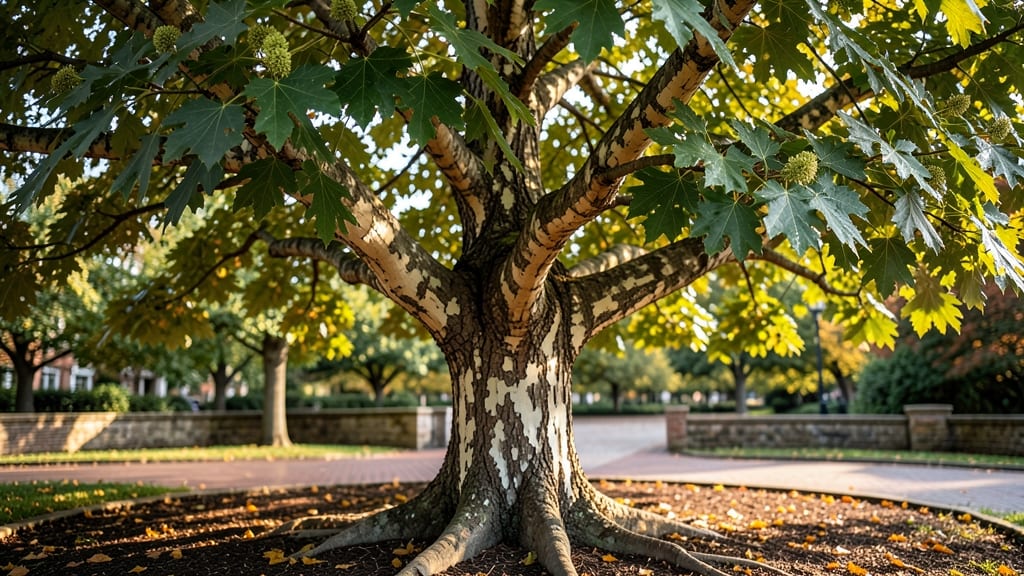
A sycamore tree can grow to 60 to 100 feet tall—taller than a three-story building—making it a stunning but space-demanding addition to any landscape.
Dreaming of a sycamore tree in your garden but worried it’ll outgrow your space? These majestic giants can reach staggering heights—but with the right choices and planning, you can enjoy their beauty without sacrificing your yard.
Sycamore trees thrive in full sun and well-drained soil, but their rapid growth means they need room to stretch their roots and branches. If you’re working with a smaller yard, knowing the right variety or planting strategies can make all the difference.
Below, I’ll break down how tall sycamore trees grow by type, share space-saving tips, and help you decide if this towering beauty is the right fit for your garden.

Sycamore tree height guide: how tall they grow by variety
If you're considering adding a sycamore tree to your landscape, understanding its mature height is crucial for planning. These trees are known for their impressive stature, but not all varieties grow equally tall.
The American sycamore, for example, often becomes a towering presence in yards, while other types may offer more manageable options. Let’s explore the height ranges and growth habits of the most common sycamore varieties so you can choose the right fit for your space.
Before diving into specifics, it’s important to note that sycamores are fast-growing trees. A young sycamore can add 3-6 feet per year in ideal conditions, making early planning essential. Their massive size means they need ample space—not just for their height but also for their wide-spreading canopies.
If your yard is small, you’ll want to focus on varieties that stay under 50 feet tall or consider alternatives entirely.
Here’s a quick look at the three most popular sycamore varieties and their mature heights:
| Variety | Mature Height | Canopy Spread | Growth Rate | Best For |
|---|---|---|---|---|
| American Sycamore (Platanus occidentalis) | 70-100 ft | 50-75 ft | Fast (3-6 ft/year) | Large properties, parks |
| London Plane (Platanus × acerifolia) | 60-80 ft | 40-60 ft | Moderate (2-4 ft/year) | Urban areas, streetscapes |
| Oriental Sycamore (Platanus orientalis) | 50-70 ft | 30-50 ft | Slow to moderate (1-3 ft/year) | Mediterranean climates, smaller yards |
The American sycamore is the tallest of the bunch, often reaching heights of 70-100 feet with a sprawling canopy that can match its height. This makes it a stunning focal point but requires a lot of space—think of it as a skyscraper for your backyard.
If you’re in a suburban or urban setting, the London Plane is a more practical choice, typically topping out at 60-80 feet. It’s also more tolerant of pollution and compacted soil, making it ideal for city planting.
For those with limited space, the Oriental sycamore is a great compromise, usually staying between 50-70 feet tall. It grows more slowly than its American cousin, which can be a plus if you’re planning for long-term growth.
Plus, its smaller canopy spread makes it easier to fit into tighter spaces. If you’re in a USDA Zone 6 or warmer, this variety thrives without needing as much maintenance as other types.
When planning your sycamore’s location, remember that these trees develop wide, low-hanging branches. The American sycamore, in particular, can have branches that reach out 50-75 feet from the trunk, so avoid planting it near structures, power lines, or driveways.
The London Plane is slightly more compact but still needs at least 30-40 feet of clearance on all sides. Always check local regulations before planting near sidewalks or roads, as many municipalities have height restrictions for street trees.
Another key factor is your climate and soil type. Sycamores prefer well-draining soil and full sun, but they’re surprisingly adaptable. The American sycamore can tolerate wet soil, making it a good choice for areas prone to flooding.
Meanwhile, the London Plane handles urban pollution and drought better once established. If your soil is heavy clay, consider amending it with compost or planting in a raised bed to improve drainage.
If you’re still unsure about committing to a full-sized sycamore, consider starting with a smaller specimen or a dwarf variety. While true dwarf sycamores are rare, some nurseries offer young grafted trees that can be pruned to stay under 20 feet tall with regular maintenance.
Just be prepared for slower growth and potential health risks if you prune too aggressively. For a more permanent solution, look into alternative shade trees like the serviceberry or ornamental pear, which offer similar beauty without the same space requirements.
Finally, if you decide a sycamore is right for your space, give it room to grow from the start. Planting too close to structures or other trees can lead to root competition and structural damage over time.
Use root barriers if necessary to protect foundations, and always consult a professional arborist if you’re unsure about placement. With the right variety and planning, a sycamore can be a breathtaking addition to your landscape—just don’t let its height catch you by surprise!
Small-garden sycamore alternatives: compact trees with similar beauty
If you love the sycamore's lobed leaves and textured bark but need a smaller option, look no further. These compact trees mimic sycamore beauty without the towering height. They offer seasonal interest, similar foliage, and manageable sizes—perfect for small yards or urban gardens.
From the delicate blooms of serviceberry to the glossy leaves of ornamental pear, these alternatives deliver year-round interest with minimal space requirements. Each option stays under 20 feet tall, making them ideal for tight spaces where sycamores would overwhelm.
| Tree | Mature Height | Leaf Shape | Seasonal Interest | Maintenance |
|---|---|---|---|---|
| Serviceberry | 15-20 ft | Oval, serrated | Spring blooms, summer berries, fall color | Low (drought-tolerant) |
| Hackberry | 20-30 ft (dwarf varieties under 20 ft) | Rough, toothed edges | Fall color, winter berries | Moderate (prune for shape) |
| Ornamental Pear | 15-25 ft (dwarf 'Cleveland Select' 15-20 ft) | Globe-shaped, glossy | Spring flowers, fall color | Low (watch for fruit drop) |
| Crape Myrtle | 10-20 ft (dwarf 'Arapaho' 10-15 ft) | Lance-shaped, smooth | Summer blooms, exfoliating bark | Low (drought-resistant) |
| Katsura Tree | 15-25 ft (dwarf 'Little Henry' 15-20 ft) | Heart-shaped, aromatic | Fragrant summer blooms, fall color | Moderate (prune for air circulation) |
For a serviceberry, you’ll get spring flowers and edible berries in summer, followed by brilliant fall foliage. This tree thrives in partial shade and is perfect for wildlife gardens. The hackberry offers rough-textured leaves and winter berries that birds adore, while its exfoliating bark adds winter interest.
The ornamental pear delivers glossy foliage and fragrant spring blooms, though it may drop fruit. Choose 'Cleveland Select' for a compact version. Crape myrtle and Katsura tree round out the list with summer blooms and aromatic foliage, respectively—both stay well-behaved in small spaces.
All these trees share sycamore’s elegant foliage and adaptability but fit neatly into small gardens. Plant them where you’d love a sycamore’s drama, but without the space constraints. Start with well-draining soil and full sun for best results.
Which one will you choose? Each brings a unique touch to your garden while keeping it manageable and stunning. 🌿