
How To
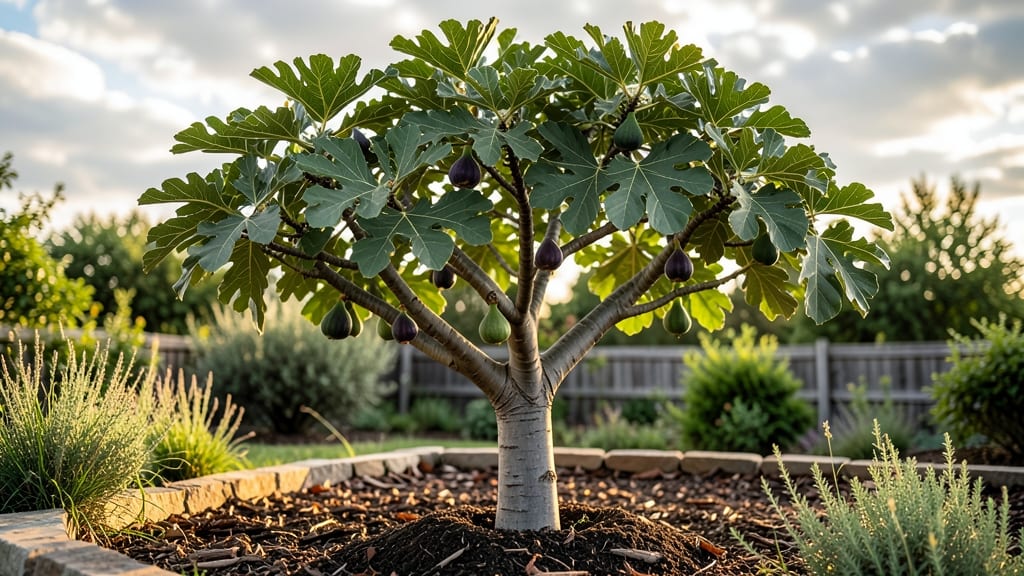
If you’re dreaming of a shade-providing giant or a compact patio fig tree, knowing your cultivar’s mature height is the first step to perfect placement—because some figs reach towering heights while others stay neatly contained.
In USDA Zone 6a, where spring planting kicks off in April, your choice of variety makes all the difference. Dwarf types like 'Little Miss Figgy' max out at 8 to 12 feet, while standard cultivars like 'Brown Turkey' can easily stretch to 20 feet or more.
Below, I break down the fastest-maturing cultivars, how pruning shapes their growth, and the 3 key factors that determine whether your fig tree stays small or shoots for the sky.

Fig tree height ranges by fastest-maturing cultivars (with growth speed factors)
If you're planning your garden layout, choosing a fig tree cultivar with the right height is crucial. Some varieties mature in just 2-3 years while still reaching impressive heights, while others stay compact enough for containers.
The fastest-maturing figs can produce fruit in their first year, making them ideal for impatient gardeners. Understanding these growth speed factors helps you balance harvest time with space requirements.
Most fig trees reach maturity between 1-3 years, depending on the cultivar and growing conditions. For example, 'Celeste' and 'Brown Turkey' are known for their rapid growth, while 'Chicago Hardy' offers cold tolerance with slightly slower expansion.
Proper spacing is key—planting too close can stunt growth and reduce fruit production. Let’s break down the height ranges and spacing needs for the fastest-maturing cultivars.
| Cultivar | Mature Height | Years to Maturity | Ideal Spacing | Growth Speed |
|---|---|---|---|---|
| Celeste | 12-15 ft | 1-2 years | 10-12 ft apart | Very Fast |
| Brown Turkey | 15-20 ft | 2-3 years | 12-15 ft apart | Fast |
| Chicago Hardy | 10-12 ft | 2-3 years | 8-10 ft apart | Moderate |
| Desert King | 10-14 ft | 1-2 years | 8-10 ft apart | Very Fast |
| Osborn Prolific | 12-15 ft | 2 years | 10-12 ft apart | Fast |
| Violette de Bordeaux | 10-12 ft | 2 years | 8-10 ft apart | Moderate |
| Little Miss Figgy | 6-8 ft | 1-2 years | 5-6 ft apart | Very Fast |
| Alma | 15-20 ft | 3 years | 12-15 ft apart | Moderate |
| Panache |
How to control fig tree height: pruning tips for dwarf vs. standard varietiesFig trees grow at dramatically different rates depending on their cultivar, but even the tallest varieties can be managed with strategic pruning techniques. Whether you're growing 'Brown Turkey' (a standard 20-30 ft tree) or 'Little Miss Figgy' (a compact 6-8 ft dwarf), understanding when and how to prune is key to controlling height while maintaining fruit production. For standard fig trees, pruning encourages vertical growth, while dwarf varieties benefit from more aggressive height control. The best time to prune is late winter or early spring, just before new growth begins. This timing ensures you don't accidentally remove next year's fruit buds, which form on last year's wood. Here's the critical difference: heading cuts (cutting back current season's growth) work best for dwarf varieties to keep them compact, while structural pruning (removing entire branches) is better for standard trees to shape their height and improve airflow.
🌱 Fig Tree Height Reality Check:
Standard fig trees can reach 20-30 feet without pruning, while dwarf varieties typically max out at 6-12 feet. Even 'Chicago Hardy' (a cold-hardy standard type) grows 15-20 feet tall if left unpruned. Pruning can reduce height by 30-50% if done correctly. Start by removing any dead, diseased, or crossing branches first—these compete with your tree's energy and can stunt growth. For dwarf varieties, cut back the tips of new shoots by one-third to encourage bushier growth. Use clean, sharp pruners and make cuts just above a bud or leaf node to prevent dieback. For standard fig trees, focus on removing suckers (shoots growing from the base) and thinning out overcrowded branches in the center. This creates an open canopy that lets sunlight reach all parts of the tree, which is crucial for fruit development. Remember: never prune more than 25% of the tree's foliage in one season to avoid stress. Container-grown figs (like 'Violette de Bordeaux') need regular pruning to stay manageable. Pinch back new growth when it reaches 12-18 inches to encourage branching. In USDA Zone 7 and warmer, you can prune lightly throughout the growing season, but avoid heavy pruning after mid-summer to prevent late-season regrowth that won't harden off before winter. Pro tip: Label your cuts if you're experimenting with different pruning techniques. Some fig varieties respond better to renewal pruning (cutting back to 1-2 feet tall in early spring), while others thrive with light annual pruning. Always step back and assess your tree's shape after pruning—aim for a balanced, open canopy that lets sunlight and air circulate freely. 🌿 |