
How To
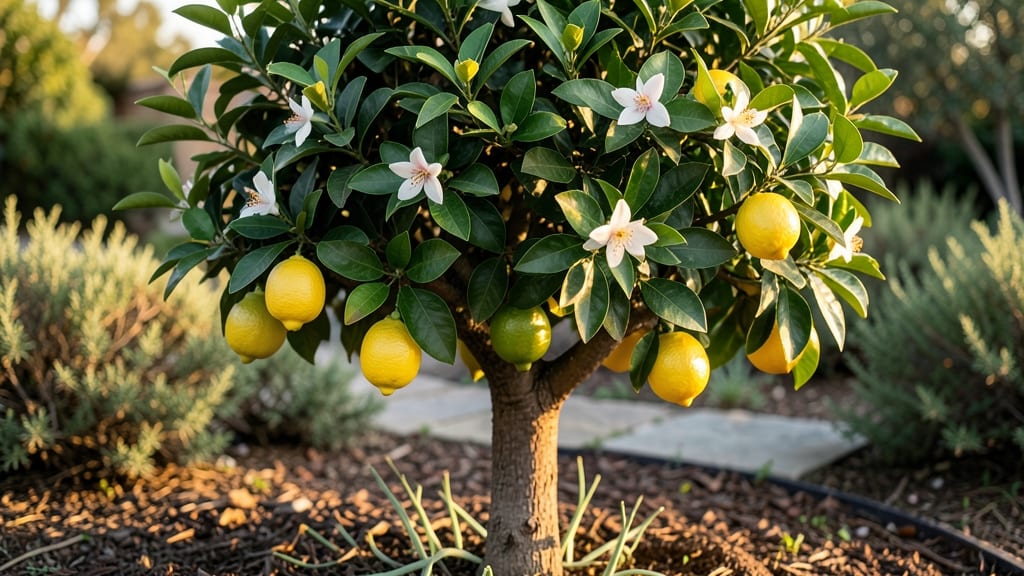
A lemon tree 🍋 can grow anywhere from 6 feet to towering 25 feet tall, depending on the variety and how you care for it.
Dreaming of fresh lemons but short on yard space? The height of your lemon tree can make or break your gardening success—whether you’re growing in a cozy container or a small backyard.
Standard varieties like Eureka or Lisbon reach their full 20-foot height in 10 years, while dwarf types stay under 10 feet—perfect for patios or even bright indoor spots. The right pruning and pot size can keep even full-sized trees manageable.
Below, I’ll break down the best space-saving varieties, how to control growth naturally, and whether your climate (like USDA Zone 6a) can handle a lemon tree at all.

Lemon tree height by variety: from dwarf to standard sizes
Choosing the right lemon tree variety is the first step to balancing your dream of homegrown lemons with your available space. Standard lemon trees can tower up to 25 feet, while dwarf varieties stay under 10 feet—perfect for containers or small patios.
The key difference lies in the rootstock used during propagation, which determines both height and fruit productivity.
For example, Eureka and Lisbon lemons grow tall (15–25 ft) but produce abundant fruit, while Meyer lemons (often grafted onto dwarf rootstock) max out at 6–10 ft. Understanding these differences helps you pick a tree that fits your garden—whether it’s a 5-gallon pot or a sunny backyard corner.
🌱If you’re growing in containers, prioritize dwarf varieties like the Meyer lemon or Improved Meyer, which thrive in 15–25 gallon pots. Their compact size makes them ideal for patios or even indoor growing near south-facing windows.
Just remember: container-grown trees need regular pruning to prevent root-bound stress.
For outdoor gardens, standard varieties like Eureka or Lisbon lemons offer better fruit production but require 15+ feet of vertical space. Plant them near fences or walls to maximize sunlight exposure, which is critical for fruit development.
In USDA Zones 8–11, these trees can grow year-round outdoors.
Rootstock plays a huge role in height control. Trees grafted onto dwarfing rootstock (like Flying Dragon) stay small, while those on standard rootstock (like Rough Lemon) grow tall. Always check the label—some nurseries sell "dwarf" trees that are actually semi-dwarf (10–15 ft) and still need space.
Even dwarf varieties can outgrow their containers if not pruned. I recommend annual pruning in late winter to remove overcrowded branches and encourage airflow. This keeps your tree fruitful and manageable, whether it’s in a pot or the ground. Use sterilized pruning shears to avoid disease spread.
Pro tip: If you love the idea of a tall lemon tree but lack space, consider espalier training. This technique flattens the tree against a wall or trellis, reducing its footprint while maintaining height. It’s a favorite among urban gardeners with vertical gardening goals.
Climate also affects height. In cooler zones (7–8), lemon trees grow slower and may stay shorter naturally. Pair this with winter protection (like burlap wraps)
How to control lemon tree height naturally: pruning and care tips
If your lemon tree is reaching for the sky faster than you’d like, don’t worry—you’re not powerless! Natural height control starts with pruning techniques and seasonal care adjustments. Even standard lemon trees can stay manageable with the right approach, whether you’re growing in a container or a small yard.
The key is timing, tools, and understanding how your tree responds to sunlight and nutrients.
Before grabbing your pruners, remember that lemon trees grow best with 6-8 hours of sunlight daily—but too much unchecked growth can overwhelm small spaces.
By combining pruning, container size management, and seasonal care, you can keep your tree at your ideal height while still enjoying a bountiful harvest. Let’s break it down into actionable steps for year-round control.
⚠️ IMPORTANT: Always use sterilized pruning tools to prevent disease spread. Wear gloves and work during the tree’s dormant season (late winter or early spring) for the best results. Never remove more than one-third of the tree’s foliage in a single session to avoid stressing the plant.
- Step 1: Choose the Right Pruning Time
Prune in late winter or early spring (just before new growth starts) to encourage bushier, more controlled growth. Avoid heavy pruning in summer or fall, as this can stress the tree and reduce fruit production.
- Step 2: Select Your Pruning Method
Use heading cuts (cutting back to a leaf node) to promote branching, or thinning cuts (removing entire branches) to improve airflow. For dwarf varieties, focus on shaping rather than drastic height reduction.
- Step 3: Limit Container Size
If growing in a container, use pots no larger than 18-24 inches in diameter to restrict root growth. Smaller pots = slower, more compact growth. Ensure the pot has drainage holes to prevent root rot.
- Step 4: Adjust Sunlight Exposure
Place your lemon tree in partial shade (4-6 hours of sun) if you want to slow growth naturally. However, this may reduce fruit production. Balance shade with supplemental grow lights (12-14 hours/day) for indoor trees.
- Step 4: Monitor Fertilizer Use
Reduce nitrogen-rich fertilizers (like 10-10-10) to slow vertical growth. Instead, use a balanced citrus fertilizer (6-6-6) and apply it sparingly—only every 6-8 weeks during the growing season.
- Step 5: Seasonal Care Schedule
Spring: Prune, fertilize lightly, and repot if needed.
Summer: Water deeply (1-2 gallons every 3-5 days) and provide afternoon shade in hot climates.
Fall: Reduce watering and stop fertilizing to prepare for dormancy.
Winter: Keep indoors (if in a cold climate) and avoid pruning.
For indoor lemon trees, place them near a south-facing window to maximize sunlight without overheating. If natural light is insufficient, supplement with LED grow lights (12-14 hours/day) to maintain healthy growth. Rotate the pot every few weeks to ensure even sunlight exposure and prevent lopsided growth.
One common mistake is over-pruning young trees, which can stunt their development. Instead, focus on shaping and thinning as the tree matures. If your lemon tree is already too tall, don’t panic—gradual pruning over 2-3 years will bring it back to a manageable height without shocking the plant.
With these natural height control methods, you can enjoy a compact lemon tree that fits your space while still producing delicious fruit. Whether you’re growing a dwarf Meyer lemon or a standard variety, the right care makes all the difference. Happy pruning! 🪴✂️🍋