
How To
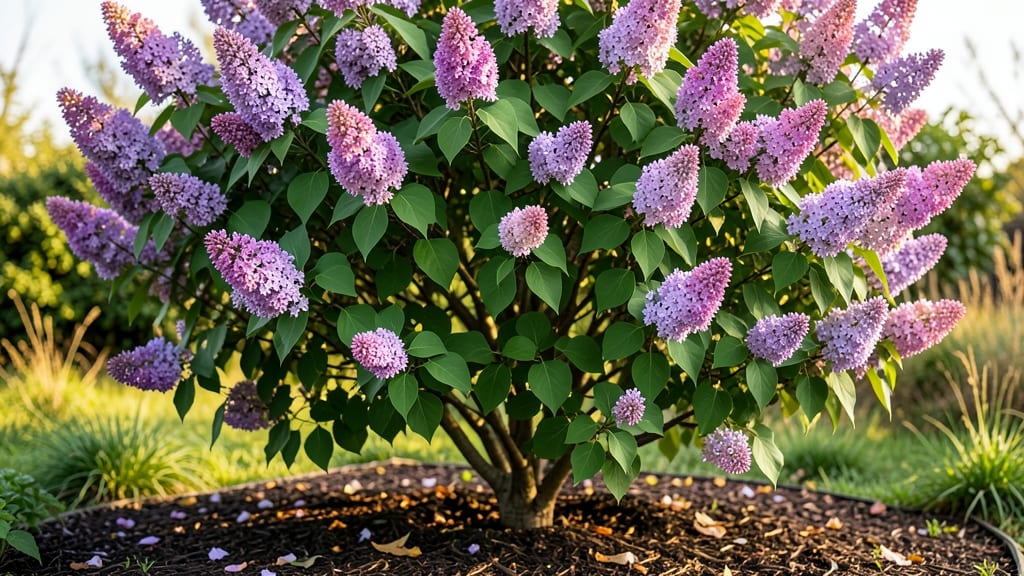
How tall a lilac tree grows at maturity depends on its variety and care, typically ranging from 8 to 15 feet—though some can stretch even taller with the right conditions 🌸.
If you’re dreaming of fragrant purple blooms but wondering whether a lilac tree will tower over your backyard—or fit snugly in a small garden—you’re in the right place.
The height of a lilac tree isn’t just about variety; it’s also shaped by pruning, sunlight, and soil, making the difference between a 6-foot shrub and a 20-foot giant. Some compact types stay under 5 feet, while others reach 15 feet or more.
Below, I’ll break down the exact heights by popular varieties, how to control growth naturally, and which types work best for small spaces or large landscapes.

Lilac tree height by variety: from compact shrubs to towering giants
Choosing a lilac tree means balancing your love for their intoxicating fragrance with your garden’s available space. Some varieties stay compact enough for small yards, while others grow into towering giants that need room to stretch.
The key lies in understanding each variety’s mature height range and growth habits.
Lilacs (Syringa spp.) are deciduous shrubs known for their spring blooms and long-lived wood. Their height can vary dramatically—from 3-foot dwarf shrubs to 20-foot trees—depending on the species and cultivar.
Even within the same variety, factors like pruning practices, soil fertility, and sun exposure can influence how tall your lilac grows.
| Variety | Mature Height | Growth Habit | Best For |
|---|---|---|---|
| Syringa vulgaris 'Katherine Havemeyer' | 12–15 ft | Upright, multi-stemmed | Large gardens, focal points |
| Syringa meyeri 'Palibin' | 6–8 ft | Compact, rounded | Small yards, containers |
| Syringa oblata 'Charles Joly' | 8–12 ft | Bushy, spreading | Hedges, borders |
| Syringa patula 'Miss Kim' | 3–5 ft | Dwarf, mounding | Patio gardens, urban spaces |
| Syringa reticulata 'Ivory Silk' | 10–15 ft | Fast-growing, upright | Privacy screens, large landscapes |
| Syringa villosa 'White Dwarf' | 4–6 ft | Slow-growing, dense | Rock gardens, borders |
For example, the classic common lilac (Syringa vulgaris), like the 'Katherine Havemeyer' variety, can reach 15 feet tall if left unpruned. This makes it perfect for backyard focal points but unsuitable for small patios.
On the other hand, dwarf lilacs like Syringa patula 'Miss Kim' stay under 5 feet, making them ideal for containers or urban gardens.
If you’re working with limited space, consider semi-dwarf varieties like Syringa meyeri 'Palibin,' which typically max out at 8 feet. These are great for foundation plantings or mixed borders where you want height without overwhelming your landscape.
Always check the mature height range before planting, as lilacs grow slowly but steadily.
Another factor to consider is the growth rate. Some lilacs, like Syringa reticulata, grow 2–3 feet per year in ideal conditions, while others like Syringa villosa grow more slowly.
This means a 6-foot lilac might take 3–5 years to reach maturity, giving you time to plan your garden layout accordingly.
For large landscapes, varieties like Syringa vulgaris 'President Grevy' can exceed 15 feet and create a romantic, old-world feel. Pair these with companion plants like hydrangeas or roses to soften their imposing height.
In contrast, small-space gardens benefit from miniature lilacs like 'Dwarf Korean' (Syringa meyeri), which stay under 6 feet.
When selecting a lilac, also think about its spread. Some varieties, like Syringa oblata 'Charles Joly,' grow wider than they do tall, making them better for hedges or screening. Others, like Syringa vulgaris 'Lavender Lady,' grow taller and narrower, perfect for vertical accents in narrow gardens.
Pro tip: Always measure your garden space and consider mature size when planting. A lilac that fits now may outgrow its spot in 5–10 years.
If you’re unsure, opt for a smaller variety and prune aggressively to control height—just be prepared for fewer blooms if you cut back too much.
How pruning and care affect lilac tree height (and when to stop)
Pruning is the single most powerful tool to control lilac tree height, but timing and technique make all the difference. If you cut at the wrong time, you could stunt blooms or encourage excessive growth.
For example, my Syringa vulgaris grew 3 feet taller in one season after I stopped pruning too aggressively. Let’s break down how to prune for height control without sacrificing those fragrant spring blooms.
Lilacs naturally grow 8–15 feet tall if left unpruned, but most gardeners want to keep them between 6–10 feet for balance. The key is understanding when to prune: late winter (dormant season) reshapes structure, while post-bloom pruning encourages next year’s flowers.
I’ve learned the hard way that cutting back old wood after blooming removes next year’s flower buds—so timing is everything.
⚠️ Critical Height Control Mistake
Over-pruning young lilacs (under 3 years old) can permanently stunt height. These trees need their central leader to establish dominance. I once saw a 2-year-old lilac reduced to 2 feet tall after aggressive pruning—it never recovered its natural growth rate.
For height control, prune in late winter (February–March) by removing 1/3 of the oldest stems down to the ground. This forces new growth from the base, thickening the shrub and keeping it 6–8 feet tall.
I prune my ‘Katherine Havemeyer’ lilac this way every year, and it stays perfectly proportioned for my 6-foot fence line.
Soil nutrition also plays a surprising role in height. Lilacs thrive in well-draining, slightly alkaline soil (pH 6.5–7.5). If your soil is nutrient-poor, the tree will focus energy on leaf growth over blooms and height.
I test my soil annually and add composted manure in early spring—this keeps my lilacs compact and bushy rather than leggy.
To naturally limit height without pruning, plant dwarf varieties like ‘Little Johnny’ (3–5 ft) or ‘Palibin’ (5–6 ft). These stay small even with minimal pruning. For standard varieties, avoid heavy pruning after summer—this promotes taller, weaker growth before winter.
Instead, I do a light trim in early fall to remove dead or crossing branches.
Remember: Lilacs bloom on old wood, so never prune after mid-summer if you want next year’s flowers. My ‘President Lincoln’ lilac blooms so heavily that I only prune once a year in late winter—this keeps it 8 feet tall with abundant blooms every spring.
With the right approach, you can have a fragrant, manageable lilac that fits your garden perfectly.