
Propagation
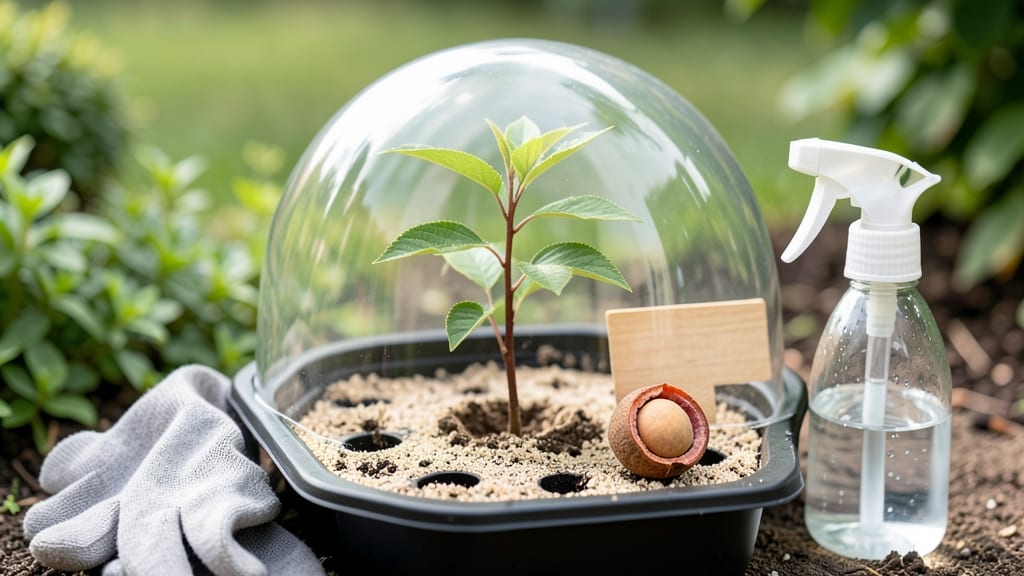
Germinating a peach tree seed can feel like waiting for a slow-moving train—until you use the warm-soaked speed method. ✨ This technique cuts the usual 6-12 months of dormancy down to just 4-8 weeks, giving you a head start on growing a tree from that pit you saved from summer's best peach.
The secret lies in mimicking nature's timing: a warm soak breaks dormancy, while a brief cold period (stratification) ensures strong root development. You'll need a peach pit, a damp paper towel, a plastic bag, and a patient eye—because even with this method, germination isn't instant.
Think of it as coaxing a tiny miracle from something that looked like waste. What you'll end up with is a sturdy seedling ready to transplant, its first true leaves unfurling in 30-60 days.
The roots will be vigorous, the stem straight, and the potential for a future fruit tree undeniable—though remember, this won't be the same variety as the parent peach. Patience pays off in this case.
This method works best in spring or early summer, when you can move seedlings outside after they've developed a few leaves. The key is consistency: keep the moisture even, avoid letting mold take hold, and resist the urge to rush the process.
📚 In This Guide
- What you need
- Instructions
- Tips and common mistakes
- Wrapping up and next steps
What you need
- ● Peach pit (seed): 1 fresh, firm pit from a ripe, organic peach (avoid store-bought peaches treated with sprays).
- ● Paper towels: 2–3 sheets (unbleached, seedling-safe).
- ● Plastic bag or container: A small, resealable bag (quart-sized) or a shallow dish with a lid (like a takeout container).
- ● Water: Room-temperature, filtered or distilled (chlorine-free).
- ○ Scrub brush or sandpaper: Fine-grit to gently rough up the pit’s hard shell (optional but helpful for speeding up germination).
- ● Spray bottle: Small (for misting the pit later).
- ● Planting pot: 4–6 inch diameter (with drainage holes) for transplanting the sprout.
- ● Potting mix: Well-draining, seedling-specific blend (avoid garden soil—it’s too dense!).
- ○ Heat source (optional but recommended): Seedling heat mat ($10–$20), or
- ● A sunny windowsill (south-facing, if possible).
- ● Hydrogen peroxide (3%): 1 tsp diluted in 1 cup water to soak the pit for 10–15 mins (sterilizes and softens the shell).
- ● Grow lights: LED or fluorescent (if natural light is limited).
- ● Humidity dome: Clear plastic wrap or a mini greenhouse to retain moisture.
- ● Fertilizer: Balanced, water-soluble (like 5-5-5) for post-sprout care.
- ● Label & marker: To track germination dates and varieties.
Step-by-step instructions for germinating a peach tree seed
Here's the method I use to get peach seeds sprouting in under two weeks instead of months.
🌱 Step 1: Select and Prepare the Seed
Start with a fresh, plump peach pit—older seeds germinate slower. Remove any remaining fruit flesh and let it dry for 24 hours to prevent mold. I like to use a paper towel to gently wipe away any sticky residue before soaking.
Place the seed between two damp paper towels, folding them so the seed is snug but not crushed. This keeps moisture even while allowing airflow. The towels should feel damp like a wrung-out sponge—not dripping wet. Store the packet in a sealed plastic bag to retain humidity.
💧 Step 2: Warm Soak for 24 Hours
Submerge the wrapped seed in warm water (85-90°F) for 24 hours. This softens the hard outer shell and jumpstarts the germination process. I use a clear glass so I can monitor the seed's progress—you'll see tiny root hairs emerge within hours.
Change the water every 8 hours to maintain oxygen flow. Cold water slows germination, while water over 95°F can scald the seed. Keep the bag in a warm spot, like on top of your fridge or near a sunny window—consistent warmth is key.
☀️ Step 3: Plant in Moist Starting Medium
After soaking, plant the seed ½ inch deep in a small pot filled with sterile seed-starting mix. I use a 4-inch pot for each seed to give roots room to establish. Press the soil lightly around the seed but don’t compact it—peach roots need air to grow.
Water gently until the soil feels damp 1 inch down. Place the pot in a clear plastic bag or under a humidity dome to trap warmth. Keep it in bright, indirect light (no direct sun yet)—you’ll know it’s ready for more light when the first true leaves appear.
⏰ Step 4: Monitor and Maintain Warmth
Check the pot daily for moisture—soil should stay damp but not soggy. If condensation forms inside the bag, open it for 10 minutes to prevent mold. Peach seeds germinate fastest at 75-85°F, so a seedling heat mat helps if your home runs cooler.
Germination usually takes 7-14 days. You’ll see the first sign—a tiny root pushing through the soil. Once the seedling reaches 2 inches tall, remove the bag and move it to bright, indirect light for another 2 weeks before introducing direct sun.
🌿 Step 5: Transplant Carefully
When the seedling has 3-4 true leaves (not the first tiny seed leaves), transplant it to a 6-inch pot with fresh potting mix. Handle the roots gently—peach trees are sensitive to root damage. Water thoroughly after transplanting to help settle the soil.
Keep the young tree in partial shade for a week to reduce stress. Gradually introduce it to full sun over 10 days. Avoid fertilizing until new growth appears—peach seedlings need time to establish before extra nutrients.
Tips & tricks for faster peach tree germination
Want those peach pits to sprout in record time? These simple tricks will help you beat the months-long wait and get your seedling growing in under two weeks.
Seed Selection: Confession: I skipped this step for years and wondered why my seeds took forever. Always choose plump, fresh peach pits—they're packed with energy. Tap the pit against your palm: a hollow sound means it's dried out and won't germinate well. The 24-hour drying period is crucial too—it prevents mold and helps the seed "wake up" before soaking.
Temperature Matters: That 85-90°F warm water range isn't arbitrary—it's the sweet spot for peach seeds. Use a thermometer to check your water temp, especially if you're using tap water that might be cooler. I keep my glass of soaking seeds on top of my fridge where it stays consistently warm. Pro tip: If your home runs cold, place the sealed bag near a sunny window during the day for extra warmth.
Visual Germination Check: In Step 2, when you're changing that water every 8 hours, take a peek at your seed. You'll often see tiny white root hairs emerging within just 24-48 hours of soaking—that's your first sign of success! This early root growth means your seed is actively breaking dormancy. If you don't see this within 48 hours, your seed might be too old or damaged.
Transplant Timing: Don't rush the transplant in Step 5! Wait until you see those first true leaves (they'll look different from the initial seed leaves) before moving to the 6-inch pot. I've made the mistake of transplanting too early, which stresses delicate roots. The 10-day sun introduction is also key—gradual exposure prevents sunburn on tender new leaves.
Pro Tips for Germinate A Peach Tree Seed
- Want those peach pits to sprout in record time? These simple tricks will help you beat the months-long wait and get y...
- Seed Selection: Confession: I skipped this step for years and wondered why my seeds took forever. Always choose plump...
- Temperature Matters: That 85-90°F warm water range isn't arbitrary—it's the sweet spot for peach seeds. Use a thermom...
Frequently asked questions
Got questions about germinating peach tree seeds? You’re not alone! Here are some of the most common concerns—and their answers—to help you succeed with your warm-soaked speed method.
How long does it take for a peach seed to germinate?
With the warm-soak method, you’ll typically see sprouts in 2–4 weeks. Keep the soil consistently moist (not soggy!) and maintain warmth (70–80°F). Patience is key—some seeds may take up to 6–8 weeks to crack open. If nothing happens after 2 months, the seed may not be viable.
Can I germinate peach seeds in cold weather?
Cold weather slows germination dramatically. If your home isn’t warm enough (below 60°F), use a seedling heat mat or place the container on top of a fridge (not inside!). Alternatively, start seeds indoors under grow lights until spring. Peach trees love warmth—don’t rush them into cold soil!
Will my peach tree grow true to the parent fruit?
Probably not! Seeds from store-bought peaches often produce wild, unpredictable trees—maybe bitter fruit or even no fruit at all. For a reliable peach tree, graft a known variety onto your seedling later. If you’re okay with a gamble, enjoy the adventure of a "mystery" tree!
What do I do if mold grows on my soaked seeds?
Mold is a red flag—it means your seeds are too wet or too warm. Immediately rinse the seeds with clean water, pat them dry, and replant them in fresh, sterile potting mix. Use a fungicide spray (like neem oil) if needed. Keep humidity in check to avoid this in the future!
Can I plant the seed directly in the ground instead of starting indoors?
Direct sowing is possible only in warm climates (Zone 8+) with mild winters. Dig a hole, plant the seed 2 inches deep, and mulch heavily to retain moisture. However, most gardeners prefer indoor starts for better control over warmth and moisture. If you try it outdoors, mark the spot well—you won’t see sprouts for months!
Wrapping up and next steps
Germinating a peach tree seed using the warm-soak method is a rewarding way to kickstart your orchard dreams—just remember, patience and consistency are your best friends! 🌱 While the process may take weeks or even months, each step brings you closer to nurturing a thriving young tree.
Once your seedling emerges, transplant it carefully into a pot with well-draining soil and keep it in bright, indirect light until it’s ready for the great outdoors.
Ready to watch your tiny seed transform into a majestic peach tree? Start small, stay curious, and enjoy the journey! 🌟