
Container Gardens
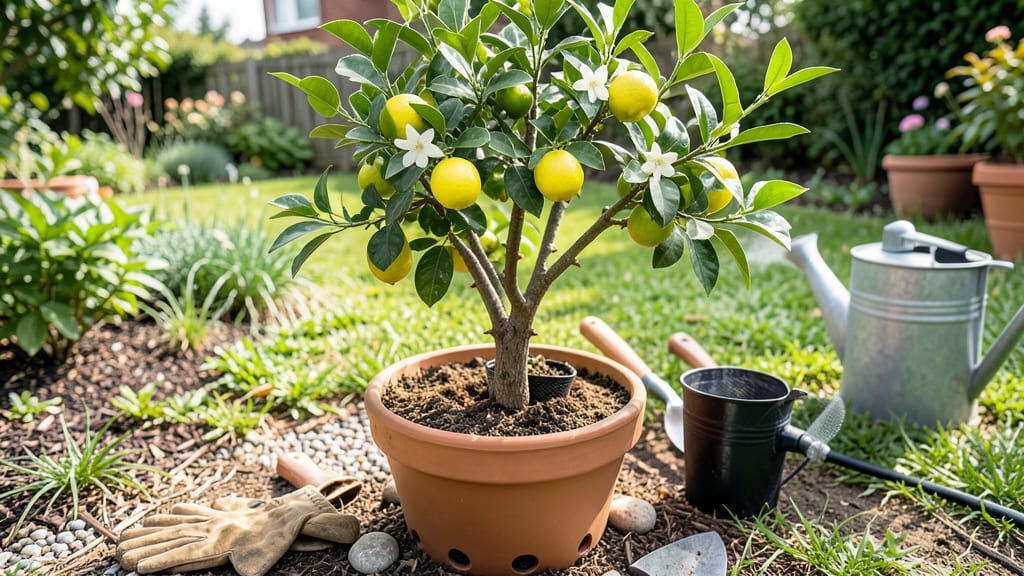
Planting a Meyer lemon tree in a pot turns your kitchen or patio into a sun-drenched citrus grove. 🌱 I’ve watched my own tree grow from a bare-root sapling to a fruit-bearing beauty in just three years—no greenhouse or sprawling yard required.
The secret lies in mimicking its native Mediterranean climate: bright light, well-draining soil, and a pot big enough to support its roots without drowning them.
Start with a 15- to 20-gallon container—anything smaller risks root-bound frustration, and anything larger becomes a watering nightmare. Fill it with a mix of 60% potting soil, 30% perlite or coarse sand, and 10% compost for nutrients.
Drainage holes are non-negotiable; without them, your tree’s roots will suffocate. Place a 3-inch layer of gravel at the bottom to keep water flowing downward, not pooling around roots.
After planting, keep the soil consistently moist but never soggy—Meyer lemons hate wet feet. Place your pot in the sunniest spot possible, ideally near a south- or west-facing window or under a patio awning.
In winter, supplement with a grow light if natural light drops below 6 hours daily. Within 6-12 months, you’ll see buds forming, and by year two, you could be harvesting tiny, sweet lemons for tea or baking.
Here’s the kicker: this tree thrives indoors or out, as long as temperatures stay above 40°F. Just watch for spider mites (tiny yellow pests on undersides of leaves) and overwatering—both kill trees faster than you’d think.
With the right setup, your Meyer lemon will outlive you, dropping fruit like it’s nothing. Let’s get that pot ready!
📚 In This Guide
- What you need
- Instructions
- Tips and common mistakes
- Wrapping up and next steps
What you need
- ● Meyer lemon tree: A healthy 1-3 gallon potted sapling (check for vibrant green leaves and no pests).
- ● Container: A pot at least 12-15 inches wide and deep (15+ inches for mature trees). Ensure it has drainage holes (or drill them yourself!).
- ● Well-draining potting mix: A blend of 50% citrus-specific soil, 30% perlite or pumice, and 20% compost (or a pre-mixed citrus mix). Avoid garden soil!
- ● Gravel or broken pottery: 1-2 inches of coarse material for the pot’s bottom layer (for drainage).
- ● Slow-release citrus fertilizer: Look for one with a balanced NPK ratio (e.g., 6-6-6 or 8-3-9) + micronutrients like iron and zinc.
- ● Watering can or hose with a gentle spray nozzle: For even moisture without oversaturating.
- ● Trowel or small shovel: For planting and mixing soil.
- ● Gloves: To protect your hands from thorns and soil.
- ○ pH testing kit (optional): Meyer lemons thrive in slightly acidic soil (pH 6.0–7.0).
- ○ Mulch (optional): A light layer of orchid bark or straw to retain moisture and regulate temperature.
- ○ Support stake (optional): For young trees if they wobble in windy spots.
- ● A sunny spot with 6–8 hours of direct sunlight daily (south- or west-facing windowsills or patios work best).
- ● Warmth: Meyer lemons hate cold—keep temps above 45°F (7°C) year-round (use a grow light or move indoors in winter if needed).
- ● Patience: It takes 2–3 years for a potted Meyer lemon to bear fruit!
Step-by-step guide to planting a Meyer lemon tree in a pot
Here's how to grow a thriving Meyer lemon tree in containers—no yard required.
🪴 Step 1: Select the Right Pot and Drainage System
Choose a 5-gallon container with drainage holes—Meyer lemons need room for roots and water to escape. I recommend terracotta pots because they breathe and help prevent overwatering. If using plastic, add extra holes along the sides to mimic natural drainage.
Line the bottom with 2-3 inches of gravel or broken pottery to create an air pocket. This prevents root rot by keeping the base of the pot from sitting in stagnant water. The gravel also provides stability for the pot itself—lemon trees can get top-heavy as they grow.
🌱 Step 2: Prepare the Well-Draining Soil Mix
Fill the pot with a custom citrus mix—combine 60% premium potting soil, 30% perlite or pumice, and 10% compost. The perlite prevents compaction, while compost adds essential nutrients. Avoid garden soil; it compacts in containers and suffocates roots.
Mix everything thoroughly until it looks light and fluffy. The texture should resemble a damp sponge—firm enough to hold shape but loose enough for roots to spread. Tap the pot gently on the table to settle the soil before planting. This ensures no air pockets remain around the root ball.
☀️ Step 3: Plant Your Meyer Lemon Tree Properly
Remove the tree from its nursery pot and loosen the roots at the edges if they're circling. Place it in the center of your container, ensuring the root flare (where roots meet the trunk) sits just above soil level. Burying it too deep invites rot, while planting too high stresses the tree.
Fill around the roots with your mix, pressing lightly to eliminate air gaps. Water deeply until moisture runs from the drainage holes. This settles the soil and helps the roots establish contact with the moist medium. Avoid fertilizing yet—new plants need time to adjust to their new home.
💧 Step 4: Establish a Watering and Light Routine
Water when the top 1-2 inches of soil feel dry—about once a week in summer, less in winter. Stick your finger in the soil; if it's damp below your knuckle, wait another day. Overwatering is the #1 killer of potted citrus.
Place your tree in bright, indirect light (south or west window). If leaves yellow, it's getting too much sun; if they stretch toward the light, it needs more intensity. A grow light works well in winter when natural light fades. Rotate the pot weekly so growth stays even.
✂️ Step 5: Prune and Fertilize for Long-Term Health
After the first year, prune in late winter to shape the tree and remove dead wood. Use sterilized shears to make clean cuts just above a leaf node. This encourages bushier growth and better air circulation. Never remove more than 25% of the foliage at once.
Fertilize every 4-6 weeks in spring/summer with a citrus-specific fertilizer (look for 6-6-6 or 8-3-9 ratios). In fall/winter, reduce to monthly and cut back completely in winter. Yellow leaves often signal over-fertilizing—flush the soil with water if this happens.
Tips & tricks for thriving Meyer lemon trees in containers
Here's what nobody tells you about keeping your potted Meyer lemon happy—these insights come from years of trial and error (and a few sad, overwatered casualties).
Pot Selection Matters: That 5-gallon container is your tree's home for years, so don't skimp. Terracotta pots are ideal because they wick away moisture through their walls, but if you choose plastic, drill extra drainage holes along the sides—not just the bottom. I've seen trees thrive in fabric grow bags too, which allow even better airflow. The key is replicating the natural drainage of outdoor soil.
Soil Texture is Non-Negotiable: The 60-30-10 mix (potting soil/perlite/compost) is perfect, but don't just eyeball it. Weigh your components if possible—citrus roots need that precise aeration. After mixing, do this test: Grab a handful and squeeze gently. If it holds shape but crumbles easily, you're golden. If it sticks together or falls apart completely, adjust your ratios. Too much compost can make the soil too dense.
Root Care is Where Most Fail: When loosening circling roots in Step 3, be gentle—you're not trying to destroy them, just encourage outward growth. I've found that making 2-3 small vertical cuts around the root ball with sterilized scissors helps break up compacted roots without damaging them. This mimics natural root pruning and gives your tree a head start in its new home. Water deeply after planting to help the roots settle into their new environment.
Light Requirements Can't Be Compromised: That south or west window is non-negotiable for most homes. If you're limited to north-facing light, supplement with a full-spectrum grow light for at least 12 hours daily. I've seen trees stretch dramatically toward light, which weakens the stems. Rotate your pot weekly so all sides get equal exposure—this prevents lopsided growth and ensures your tree develops into a balanced, sturdy specimen.
Pro Tips for Plant A Meyer Lemon Tree In A Pot
- Here's what nobody tells you about keeping your potted Meyer lemon happy—these insights come from years of trial and error (and a few sad, overwatered casualties).
- Pot Selection Matters: That 5-gallon container is your tree's home for years, so don't skimp.
- Soil Texture is Non-Negotiable: The 60-30-10 mix (potting soil/perlite/compost) is perfect, but don't just eyeball it.
Frequently asked questions
Got questions about growing your Meyer lemon tree in a pot? You’re not alone! Here are some of the most common queries—and their answers—to help you avoid pitfalls and keep your citrus thriving.
Can I grow a Meyer lemon tree in a pot year-round, or do I need to bring it indoors in winter?
A Meyer lemon tree can stay in a pot outdoors in mild climates (USDA Zones 9–11) year-round, but in colder areas, it needs winter protection. Move it indoors before temperatures drop below 40°F (4°C), ideally to a sunny spot near a south-facing window. If you can’t bring it inside, use a thick mulch and a frost cloth for extra insulation.
How often should I fertilize my potted Meyer lemon tree, and what’s the best fertilizer?
Feed your tree every 4–6 weeks during spring and summer with a balanced citrus fertilizer (6-6-6 or 10-10-10) or one higher in nitrogen (like 8-3-9). In fall and winter, reduce to once every 8–12 weeks since growth slows. Always water the soil before applying fertilizer to avoid root burn.
Why are the leaves on my Meyer lemon tree turning yellow, and how do I fix it?
Yellow leaves often signal overwatering, nutrient deficiency, or root rot. Check the soil—it should be slightly moist but not soggy. If the pot lacks drainage holes, repot immediately. For nutrient issues, flush the soil with water and resume fertilizing. If roots smell rotten, trim the affected parts and repot in fresh, well-draining soil.
What’s the largest pot size I can use for a Meyer lemon tree, and how often should I repot?
Start with a 5-gallon pot and upgrade to 7–10 gallons as the tree grows (every 2–3 years). Avoid oversized pots—they hold too much moisture, risking root rot. When repotting, choose a container just 2–3 inches larger in diameter and use fresh, well-draining potting mix. Spring is the best time to repot.
How do I encourage my Meyer lemon tree to produce more fruit?
For heavier fruiting, ensure your tree gets 6–8 hours of sunlight daily and stays in a pot no larger than 10 gallons (smaller pots trigger flowering). Prune lightly in late winter to improve airflow, and avoid over-fertilizing with nitrogen—opt for a phosphorus-rich fertilizer (like 5-10-10) when buds form. Patience is key: Meyer lemons may take 2–3 years to bear fruit!
Wrapping up and next steps
Growing a Meyer lemon tree in a pot is a rewarding journey that brings fresh citrus to your doorstep—literally!
With the right container, soil, sunlight, and care, you’ll enjoy fragrant blooms and sweet lemons year after year. 🌱✨ Whether you’re a beginner or a seasoned gardener, this citrus adventure is totally doable with patience and love.
Now that you’re ready to plant, take the next step: water your tree consistently and monitor its growth. Before you know it, you’ll be harvesting lemons for homemade lemonade, pies, or gifts for friends. Happy planting—your kitchen (and taste buds) will thank you! 🍋😊