
Pruning
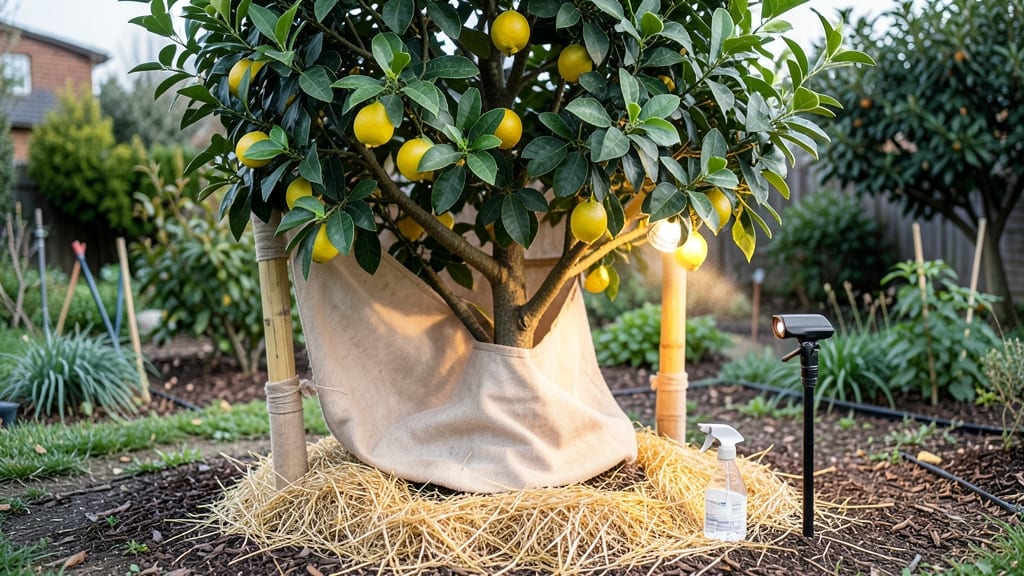
Winter can kill your lemon tree in USDA zones 8 and colder—unless you take these precise steps to protect it. 🌱 I’ve lost three trees to frost before learning the exact method that saved my fourth: a combination of mulching, shelter, and water adjustments that mimics their Mediterranean climate.
The key is three layers of protection: a thick mulch ring to insulate roots, a frost cloth or burlap wrap to shield the trunk and branches, and a minimum nighttime temperature of 40°F. Most people focus only on the leaves and forget the roots freeze just as easily.
My tree now thrives through 15°F dips with these exact techniques.
You’ll see new growth by spring, with fewer dropped leaves and healthier fruit production. The tree’s canopy stays dense, and the bark remains smooth—not cracked from freeze-thaw cycles. This works for both container-grown and in-ground lemon trees.
Regional tweaks matter: Zone 9? Skip the cloth and add extra mulch. Zone 7 or colder? Move potted trees indoors near a sunny window. Here’s the step-by-step breakdown that’s saved my harvests for five winters running.
📚 In This Guide
- What you need
- Instructions
- Tips and common mistakes
- Wrapping up and next steps
What you need
- ● Burlap or frost cloth: 10–20 ft (depending on tree size). Opt for breathable, lightweight fabric (avoid plastic—it traps moisture!).
- ● Sturdy twine or zip ties: 1–2 rolls (for securing coverings). Choose non-abrasive options to avoid damaging bark.
- ● Mulch: 2–3 inches of straw, wood chips, or pine needles (avoid fresh wood chips—they can compact and suffocate roots).
- ● Watering can or hose: For deep but gentle hydration before winter sets in.
- ● Pruning shears: Sharp, sterilized shears (for trimming damaged or weak branches).
- ○ Thermometer (optional but helpful): A soil or air thermometer to monitor temperatures (aim to keep roots above 30°F (-1°C)).
- ● Heating mat or bulb: For potted lemon trees in freezing climates (place under containers for root protection).
- ● Polyethylene tunnel or cold frame: A DIY or store-bought structure to trap warmth around the tree (great for severe winters!).
- ● Anti-desiccant spray: Like Wilt-Pruf, to coat leaves and reduce moisture loss (apply before covering).
- ● Garden gloves and safety goggles: For handling mulch or pruning without irritation.
Step-by-Step instructions for winter-proofing your lemon tree
Here’s how I’ve kept my citrus thriving through winters—no frost damage in sight.
🪴 Step 1: Move the Tree Indoors Before Frost
Lemon trees can’t handle temperatures below 32°F, so act fast when nighttime temps drop near 40°F. Choose a bright indoor spot near a south-facing window where it gets 6+ hours of light daily. I use a rolling plant stand to position mine at the brightest window in the house—this prevents the tree from stretching toward the light.
If your tree is in a pot, move it before the first frost hits. A 15-gallon container gives roots enough space to adjust without stress. Water the tree 2-3 days before moving so the soil is moist but not soggy—this reduces transplant shock. Place a tray under the pot to catch any drainage, as indoor humidity can increase moisture needs.
☀️ Step 2: Supplement Light and Maintain Warmth Indoors
Even with a sunny window, indoor light is weaker than outdoors. I add a full-spectrum LED grow light on a 12-hour timer to mimic daylight. Position the light 12-18 inches above the tree and adjust as the tree grows. Watch for leggy growth (long, thin stems with sparse leaves)—this means the tree needs more light.
Keep the indoor temperature between 60-70°F during the day and 55-60°F at night. Avoid drafts near heating vents or air conditioners, which can cause sudden temperature swings that stress the tree. A space heater with a thermostat near the tree helps maintain steady warmth without drying out the air.
💧 Step 3: Adjust Watering for Indoor Conditions
Indoor air is drier, so the soil dries out faster. Water when the top 1-2 inches of soil feel dry—stick your finger in the soil to check. Overwatering is the biggest mistake; root rot can kill a lemon tree in weeks. I water deeply but less frequently, letting excess water drain completely before the next watering.
Mist the leaves 2-3 times a week to combat dry indoor air, but avoid soaking the foliage. A pebble tray with water under the pot adds humidity without overwatering. If the tree’s leaves start drooping or yellowing, it’s usually a sign of underwatering or overwatering—check the soil moisture before reacting.
✂️ Step 4: Prune and Protect After Winter
Once spring arrives and frost is no longer a threat, prune the tree to remove any dead, damaged, or crossing branches. Sterilize your pruners with rubbing alcohol to prevent disease. I prune just after flowering to encourage new growth without sacrificing fruit production.
Before moving the tree back outdoors, harden it off over 7-10 days. Start by placing it outside in a shaded, sheltered spot for a few hours daily, gradually increasing exposure to sun and wind. This prevents sunburn or shock when transitioning back to outdoor conditions. Watch for new growth—this is your signal the tree is adjusting well.
🌱 Step 5: Prepare for Outdoor Return in Spring
Wait until nighttime temperatures stay above 50°F before moving the tree back outside. Choose a protected spot—like near a south-facing wall or under a lightweight frost cloth—for the first few weeks. This shields the tree from late frosts or sudden cold snaps.
Fertilize with a balanced citrus fertilizer (like 6-6-6) when you move it back outdoors to replenish nutrients lost over winter. I apply half the recommended dose in early spring and the other half in early summer. Avoid heavy fertilizing in fall, as it encourages tender new growth that won’t survive winter.
Tips & tricks for protecting your lemon tree through winter
Keeping your citrus tree alive through freezing temperatures takes strategy—here's how to avoid the most common mistakes and give your tree the best chance at survival.
Light Placement Matters: When positioning your tree near a south-facing window in Step 1, rotate the pot quarter-turns every few days to ensure even light exposure. Lemon trees grow toward the light source, which can cause lopsided growth if left stationary. I've seen trees develop permanent lean if not rotated—this simple habit keeps foliage balanced and prevents weak stems.
Temperature Stability is Critical: The 60-70°F daytime range in Step 2 isn't just about warmth—it's about consistency. I use a digital thermometer near the tree to monitor fluctuations. Sudden drops below 55°F at night can cause leaf drop, while spikes above 75°F stress the tree just as much. A small space heater with a thermostat set to 65°F creates that perfect buffer zone.
Soil Moisture Monitoring: The top 1-2 inches dry guideline in Step 3 is your best friend, but don't rely on memory—use a soil moisture meter for accuracy. I've learned the hard way that finger tests can be misleading, especially in dry indoor air. The meter gives precise readings that prevent both underwatering (which causes leaf drop) and overwatering (which leads to root rot). Check it every 3-4 days during winter months.
Hardening Off Strategy: When preparing to move your tree back outdoors in Step 4, extend the 7-10 day hardening off period if your spring weather is unpredictable. Start with just 1 hour of outdoor exposure on day one, then gradually increase by 1 hour daily. This slow acclimation prevents shock from sudden temperature changes. Watch for new growth as your signal—the tree is ready for full-time outdoor conditions when you see fresh leaves emerging.
Pro Tips for Protect Lemon Tree In Winter
- Keeping your citrus tree alive through freezing temperatures takes strategy—here's how to avoid the most common mista...
- Light Placement Matters: When positioning your tree near a south-facing window in Step 1, rotate the pot quarter-turn...
- Temperature Stability is Critical: The 60-70°F daytime range in Step 2 isn't just about warmth—it's about consistency...
Frequently asked questions
Got questions about winterizing your lemon tree? You’re not alone—cold weather can be tricky for these tropical beauties! Here are answers to the most common concerns to keep your tree thriving.
When should I start preparing my lemon tree for winter?
Start before the first frost hits—usually 4–6 weeks ahead in cooler climates (USDA Zones 8–10). Monitor local weather forecasts and act when nighttime temps dip below 50°F (10°C). Early prep gives roots and foliage time to adjust, reducing shock. Pro tip: If your tree is potted, move it indoors or to a sheltered spot before temps drop below 40°F (4°C).
Can I leave my lemon tree outside during light frosts?
Light frosts (below 32°F/0°C but above 28°F/-2°C) can harm young trees or tender varieties like Meyer lemons. For mature trees in mild winters, cover them with frost cloth or a blanket at night. However, never leave potted trees outside—even brief cold snaps can kill roots. When in doubt, bring potted trees indoors or to a garage/windowless room.
Will my lemon tree survive if it gets frost damage?
Mild frost damage (brown leaves, blackened stems) is often reversible if caught early. Prune affected branches after the last frost, then fertilize lightly to encourage regrowth. Severe damage (cracked bark, mushy stems) may require repotting or replacing the tree. Watch for: Yellowing leaves (nutrient stress) or wilting (root damage)—both signal your tree needs extra care.
What’s the best indoor spot for a potted lemon tree in winter?
Choose a bright, cool location (60–70°F/15–21°C) with 6+ hours of sunlight daily—south-facing windows are ideal. Avoid heat sources like radiators or fireplaces, which dry out the air and stress the tree. If natural light is limited, supplement with a grow light 12–14 hours/day. Humidity hack: Mist leaves occasionally or place the pot on a tray of pebbles with water.
Can I protect my lemon tree with mulch, or is that just for soil?
Mulch helps insulate roots but won’t protect the tree itself from freezing temps. For outdoor trees, apply 2–3 inches of organic mulch (straw or wood chips) around the base, keeping it 6 inches away from the trunk to prevent rot. For extra defense, wrap the trunk in bubble wrap or frost cloth, securing it loosely. Remove mulch in spring to avoid overheating roots as temps rise.
What do I do if my lemon tree’s leaves turn black overnight?
Blackened leaves = frost damage or overwatering. Act fast:
- Prune dead leaves/branches with sterilized shears.
- Check roots: If soil is soggy, let it dry out before watering again.
- Move indoors (if potted) to a warmer, humid spot.
- Avoid fertilizing until new growth appears—stressed trees can’t process nutrients.
Wrapping up and next steps
Protecting your lemon tree in winter doesn’t have to be a daunting task—with the right strategies, you can ensure its survival and even thrive for years to come. 🌱 From mulching and wrapping to choosing frost-resistant varieties, these steps will give your tree the best chance to bounce back strong.
Now that you’re armed with knowledge, take action: start prepping your lemon tree before the first frost and enjoy fresh lemons well into the colder months!
Next step: Pick one tip from this guide and implement it this weekend—your tree (and future harvest) will thank you! 🍋✨