
Pruning
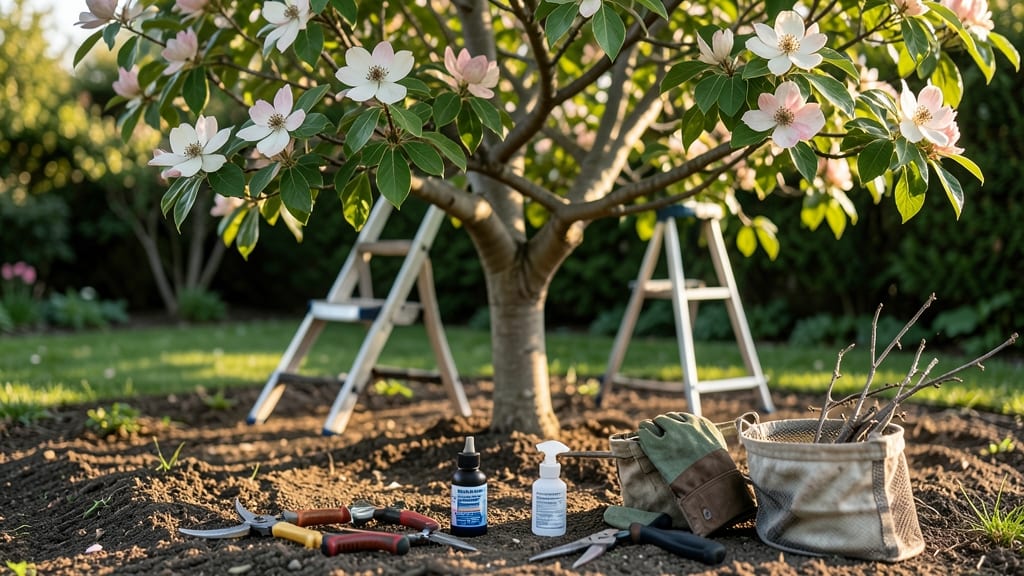
Watch how to prune a dogwood tree video guides transform scraggly dogwoods into decades of showstopping blooms—it’s all about timing and technique. ✂️ I’ve seen dogwoods go from lackluster to breathtaking in just one season, and the secret lies in strategic cuts that keep them healthy and vibrant year after year.
The key isn’t just trimming branches; it’s understanding when to shape, when to thin, and how to avoid mistakes that leave trees stressed or diseased.
You’ll need basic tools: sharp pruning shears for small branches, loppers for thicker limbs, and a sturdy ladder if your tree is tall. Safety first—wear gloves and eye protection, and always sterilize your tools with rubbing alcohol to prevent spreading disease.
The best time to prune is late winter or early spring, just as buds begin to swell, but you can do light maintenance anytime the tree isn’t flowering.
Start by removing dead, diseased, or crossing branches first—they’re the easiest to spot and the most critical to cut. Then, thin out crowded areas to improve airflow, which keeps the tree healthy and encourages vibrant blooms.
Every cut should be made just outside the branch collar, where the branch meets the trunk, to promote fast healing. Within a few weeks, you’ll see fresh, green growth signaling your tree is thriving.
This method works for all dogwood varieties, from the classic white-blooming Cornus florida to the striking red stems of Cornus sericea. Whether you’re pruning a young sapling or a mature specimen, the same principles apply—just adjust the scale. Ready to transform your dogwood into a garden standout?
📚 In This Guide
- What you need
- Instructions
- Tips and common mistakes
- Wrapping up and next steps
What you need
- ● Pruning shears: Sharp, high-quality bypass pruners (for cuts up to ½ inch in diameter). Look for ergonomic handles and a comfortable grip—think blank">Fiskars or blank">Gonicus.
- ● Loppers: One pair with a 20-24 inch handle for thicker branches (½ to 2 inches in diameter). Bypass loppers are ideal for clean cuts.
- ● Pruning saw: A curved-tooth handsaw or folding pruning saw for branches larger than 2 inches. blank">American Horticultural Society recommends a 7-10 inch blade.
- ● Gloves: Heavy-duty gardening gloves (leather or reinforced) to protect against thorns and rough bark.
- ● Disinfectant: A 70% isopropyl alcohol or bleach solution (1 part bleach to 9 parts water) to sterilize tools between cuts and prevent disease spread.
- ● Ladder or step stool: A stable, extendable ladder (e.g., blank">Werner or blank">Teleflex) or a tall step stool (minimum 6 feet) for reaching higher branches safely.
- ● Tarp or drop cloth: A large tarp (10x12 feet) to collect debris and protect the ground.
- ● Safety gear: Safety glasses or goggles
- ● Long sleeves and pants (to avoid scratches)
- ● Closed-toe shoes or boots
- ● Hand pruners with a ratchet mechanism for easier cutting on larger branches.
- ● Tree wound dressing (controversial but some swear by it—use sparingly if at all).
- ● Extension pole saw for very high branches (if you’re not comfortable climbing).
- ● Marking spray (e.g., blank">Scotts) to tag branches for removal before cutting.
- ● Pruning sealant (like blank">Tanglefoot) for large cuts to minimize sap bleed.
Instructions: how to prune a dogwood tree video
Here's the clean, seasonal approach I use to keep dogwoods thriving—whether you're shaping for beauty or restoring health.
✂️ Step 1: Prune in Late Winter or Early Spring for Best Results
Dogwoods bloom on last year's wood, so timing matters. I always prune 2-4 weeks before buds swell—typically February through early March in most climates. This gives the tree time to heal before spring growth begins. Avoid pruning in fall; you'll cut off next year's flowers.
Start by removing dead, diseased, or crossing branches first. These are your priority—they're either dead weight or competing for space with healthier growth. Look for branches that rub against others or grow inward; these create wounds and weak wood. Use sharp pruning shears to make clean cuts at a 45-degree angle just outside the branch collar.
✂️ Step 2: Thin the Canopy for Airflow and Light
Dogwoods need good airflow to prevent fungal diseases like powdery mildew. I target branches that are growing too densely or blocking light from reaching the center. Remove no more than 25% of the canopy in one season—this keeps stress low. Focus on branches that are thinner than a pencil first; these are easier to remove and less likely to leave large wounds.
When thinning, step back often to visualize the tree's shape. You're not just cutting branches—you're sculpting a balanced silhouette. Aim for an open center with sunlight reaching the trunk. If a branch is too thick to cut safely, make a three-cut method to avoid tearing the bark.
☀️ Step 3: Shape and Maintain Year-Round (With Seasonal Adjustments)
After the main pruning, I do light maintenance cuts throughout the year. In summer, remove any water sprouts (fast-growing, vertical shoots) that pop up. These steal energy from the tree. In fall, prune only to remove damaged branches—no major shaping. Winter is your best time for structural work.
Watch for sucker growth at the base of the tree—these are aggressive shoots that compete with the main trunk. Snip them off at ground level as soon as you see them. Dogwoods respond well to gradual shaping, so avoid drastic changes. A little pruning now means fewer problems later.
🌿 Step 4: Clean Up and Protect the Tree
After pruning, sterilize your tools with rubbing alcohol to prevent spreading disease. Rake up and dispose of all clippings—don't compost them if they're diseased. Dogwoods are prone to anthracnose, so removing infected branches early is key.
Apply a mulch ring around the base (but keep it 3-4 inches away from the trunk) to retain moisture and regulate soil temperature. Water deeply once a week during dry spells to help the tree recover. Avoid overwatering—dogwoods prefer well-draining soil and hate soggy roots.
Tips & tricks for perfect dogwood pruning
Your dogwood's health depends on precision timing and technique—here's how to avoid common mistakes and get flawless results.
The Timing Secret: That 2-4 week window before buds swell is critical. I mark my calendar for early March because dogwoods bloom on last year's wood—pruning too early risks cutting next year's flowers, while waiting too long stresses the tree. If you miss the window, wait until after blooming, but expect fewer flowers next season.
Branch Selection Strategy: When removing crossing branches in Step 1, always cut the smaller branch rather than the larger one. The branch collar (that swollen area where the branch meets the trunk) heals better when you preserve the larger branch. I use my thumb as a guide—if the branch is thicker than my thumb, it's a major branch and should be preserved.
Visualizing the Canopy: Step back every 5-10 cuts during Step 2 to visualize the open center you're creating. I imagine sunlight streaming through the tree's branches—this helps me identify which branches need to go. You're not just pruning; you're creating a balanced silhouette that lets light reach all parts of the tree.
Tool Maintenance: Sterilizing your tools after pruning isn't just about disease prevention—it's about protecting your tree. I keep rubbing alcohol in my tool pouch and wipe down blades after every 3-4 cuts. Diseased branches often harbor anthracnose spores, and you don't want to transfer them to healthy parts of your tree or your next pruning project.
Pro Tips for Prune A Dogwood Tree Video
- Your dogwood's health depends on precision timing and technique—here's how to avoid common mistakes and get flawless results.
- The Timing Secret: That 2-4 week window before buds swell is critical.
- Branch Selection Strategy: When removing crossing branches in Step 1, always cut the smaller branch rather than the larger one.
Frequently asked questions
Got questions about pruning your dogwood tree? You’re not alone—this delicate but stunning tree has specific needs! Below, we’ve answered the most common questions to help you prune with confidence.
When is the best time to prune a dogwood tree?
The ideal time to prune dogwoods is late winter or early spring (just before buds swell) to avoid spreading fungal diseases like anthracnose. Light shaping can happen in summer, but avoid heavy pruning then. Never prune in fall—it stresses the tree and invites pests.
Can I prune a dogwood tree in summer?
Yes, but keep it minimal! Light pruning (like removing dead branches or thinning) in summer is fine, but avoid heavy cuts. Dogwoods are sensitive to stress, and summer pruning can increase disease risk. If you must prune heavily, opt for early spring instead.
What if I accidentally cut into the trunk or large branches?
Don’t panic! If you nick the trunk or a thick branch, sterilize your tools immediately with rubbing alcohol, then seal the wound with pruning sealant (optional for dogwoods, but helps prevent rot). Monitor the area for signs of infection over the next few weeks.
How do I encourage more flowers on my dogwood?
To boost blooms, prune selectively—remove only dead, crossing, or diseased branches. Avoid over-pruning, as dogwoods flower on old wood. Fertilize lightly in early spring with a balanced, slow-release fertilizer (like 10-10-10) for healthier growth.
Can I prune a young dogwood tree the same way as a mature one?
Not quite! Young dogwoods (under 5 years) need gentle shaping—focus on removing only dead or damaged branches. Mature trees (5+ years) can handle more aggressive pruning to maintain shape or remove large limbs. Always prioritize structural integrity over aesthetics.
Do I need special tools for pruning dogwoods?
Basic tools work, but sharp, clean tools are a must! Use:
- Hand pruners for small branches (<1 inch thick)
- Loppers for medium branches (1–2 inches)
- A pruning saw for thicker limbs (2+ inches)
Sterilize tools between cuts with rubbing alcohol to prevent disease spread.
Wrapping up and next steps
Pruning your dogwood tree doesn’t have to be intimidating—with the right tools, timing, and technique, you can keep it thriving year-round! Remember, the key is to remove dead or crossing branches, shape thoughtfully, and avoid over-pruning to preserve its natural beauty.
Now that you’re armed with knowledge, grab those shears and give your tree the care it deserves!
Ready to take the next step? Watch our step-by-step pruning video for a visual guide, or explore our dogwood care calendar to stay on track with seasonal tasks. Happy pruning! 🌿✂️